Strait of Hormuz: Iran army chief sets 7 conditions for reopening
Synopsis
Iran’s army chief says the Strait of Hormuz will not reopen until seven Iranian conditions are met, according to local media. The waterway carries Gulf oil and liquefied natural gas exports to international markets.
Key Takeaways
Iranian Army Commander Major General Amir Hatami said the Strait of Hormuz would remain closed until seven Iranian conditions were met, local media reported.
Hatami warned that Iran would tighten its control over the waterway and increase pressure on its adversaries.
Foreign Ministry spokesperson Esmaeil Baghaei said security could be restored quickly if the United States fulfilled its commitments and met Tehran’s conditions.
Foreign Minister Abbas Araghchi had said the strait could reopen within two hours if the US fulfilled its commitments.
The strait links the Persian Gulf with the Gulf of Oman and the Arabian Sea and carries oil and liquefied natural gas exports.
The Strait of Hormuz will not reopen until Iran’s seven conditions are met, Iranian Army Commander Major General Amir Hatami said on Tuesday, 24 November, according to local media. Addressing senior army commanders, he warned that Tehran would tighten its control over the strategic waterway and increase pressure on its adversaries.
His comments followed remarks by Iran’s Foreign Ministry spokesperson Esmaeil Baghaei, who said regional security could be restored quickly if the United States fulfilled its commitments and met Tehran’s conditions. The reports cited here did not specify the seven conditions.
Iranian army chief’s warning
Hatami described the Strait of Hormuz as an expression of Iran’s geopolitical power and an important part of its overall strength. He said Iran would tighten its control over the waterway, according to local media.
In his address to senior commanders, Hatami said Iran’s power had four dimensions: social, military, political and geopolitical. He argued that these had overturned the calculations of the country’s adversaries.
Hatami also said Iran had not allowed its adversaries to make Iranians suffer alone from war. He claimed that those who launched the war had felt its effects at gas stations and in their homes, and warned that anyone backing the enemy would also bear a cost.
Foreign Ministry position
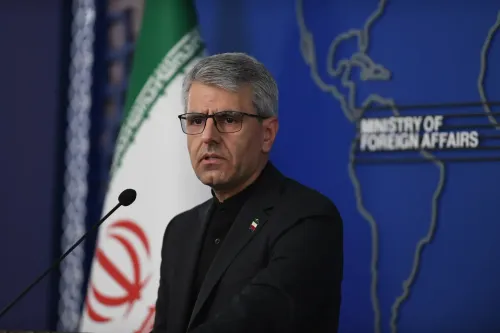
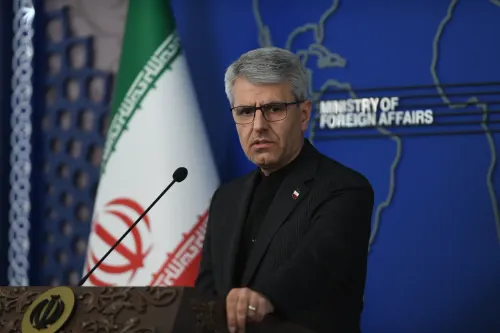
At a weekly press briefing in Tehran on Monday, Baghaei addressed a question about Foreign Minister Abbas Araghchi’s statement that the strait could reopen within two hours if the United States fulfilled its commitments, according to local media.
Baghaei said Iran remained committed to fulfilling its obligations and could implement its commitments quickly if the other side met the relevant conditions. He added that security in the strait and the wider region could be restored in the “shortest possible time” if the American side fulfilled its commitments.
He said this did not mean overlooking the complexities surrounding the issue. Baghaei also maintained that Iran’s conditions were not unusual demands, but part of the rights of the Iranian people.
“All these cases are neither new preconditions nor demands outside the framework of Iran’s rights. They are an inseparable part of the Iranians’ rights,” he said, according to local media.
Why the waterway matters
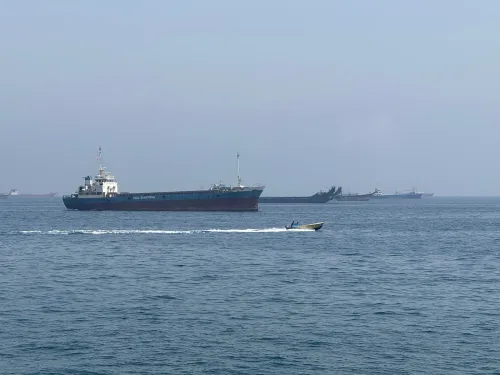
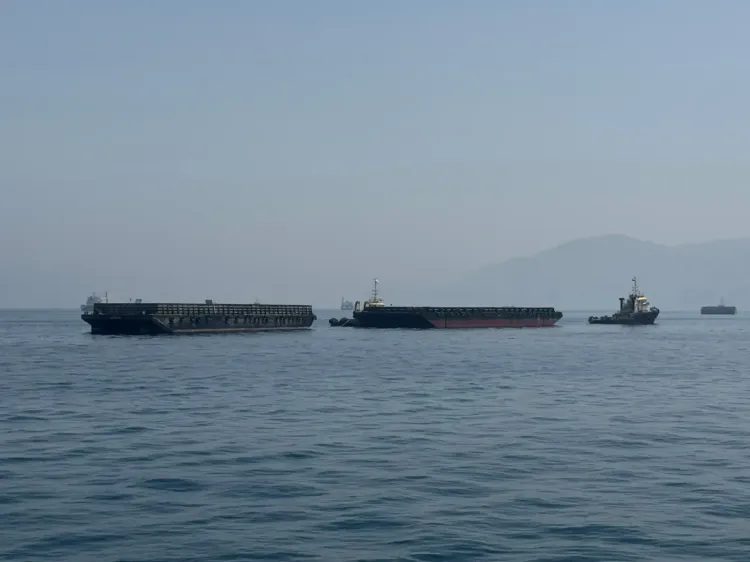
The Strait of Hormuz connects the Persian Gulf with the Gulf of Oman and the Arabian Sea. It is an important route for oil and liquefied natural gas exports from major Gulf producers to international markets.
Its role as an energy corridor gives statements about access to the strait significance beyond Iran and its immediate neighbours. Exporters, shipping operators and countries that purchase Gulf energy have an interest in the security of passage through the waterway.
Conditions and next steps
Hatami linked reopening to seven Iranian conditions, while Baghaei tied the restoration of security to the United States meeting commitments and Tehran’s conditions. The available report does not list those conditions or detail the commitments in question.
For now, Iran’s stated position leaves any reopening dependent on those conditions being met. Further details of the conditions and the positions of the parties would be needed to assess the prospects for restoring access.
Frequently Asked Questions
What did Iran’s army chief say about the Strait of Hormuz?
Major General Amir Hatami said the strait would not reopen until seven Iranian conditions were met, according to local media. He also warned that Iran would tighten its control over the waterway.
What are Iran’s seven conditions for reopening the strait?
The available report does not specify Iran’s seven conditions. It also does not detail the US commitments referred to by Iranian officials.
Why does the Strait of Hormuz matter?
The strait is an important route for oil and liquefied natural gas exports from Gulf producers to international markets. It links the Persian Gulf with the Gulf of Oman and the Arabian Sea.
What did Iran say about restoring security in the strait?
Foreign Ministry spokesperson Esmaeil Baghaei said security could be restored in the shortest possible time if the United States fulfilled its commitments and met Tehran’s conditions. He said Iran also remained committed to fulfilling its obligations.
When could the Strait of Hormuz reopen?
No reopening date was specified in the report. Foreign Minister Abbas Araghchi had said it could reopen within two hours if the US fulfilled its commitments, according to the account of Baghaei’s briefing.