Iran's Foreign Minister Calls for UN's Stronger Stance on Ongoing Aggression
Synopsis
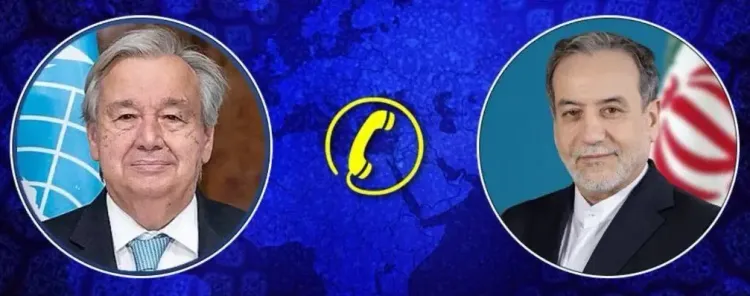
Iran's Foreign Minister Seyed Abbas Araghchi has urged the UN to take a firmer stance against the ongoing aggression in the region during a recent call with Secretary-General Antonio Guterres, emphasizing the need for a clear condemnation of war crimes and the protection of civilian lives.
Key Takeaways
Iranian Foreign Minister calls for stronger UN condemnation of aggression.
Urgent need for international community to address civilian safety.
Iran claims its right to self-defense against US actions.
UN Secretary-General stresses importance of preventing conflict escalation.
Ongoing tensions could affect global economic stability.
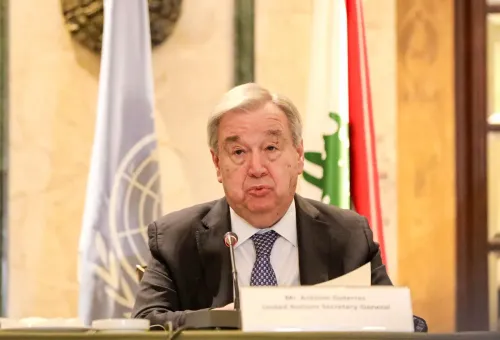
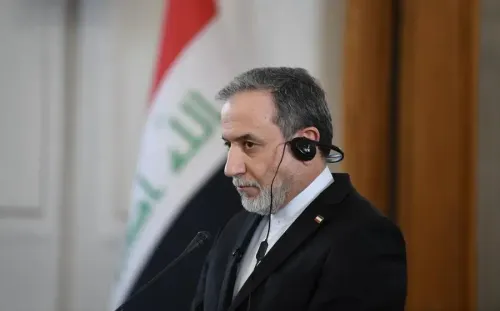
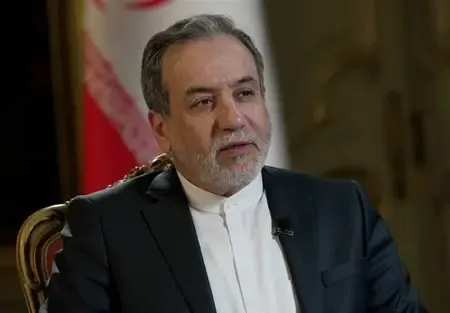
Tehran, March 11 (NationPress) Iran's Foreign Minister Seyed Abbas Araghchi recently engaged in a conversation with United Nations Secretary-General Antonio Guterres, where he highlighted the significant expectations of the Iranian government and its people. He called for the UN Secretary-General and the UN Security Council to take stronger and more responsible stances in clearly condemning the ongoing aggression and crimes occurring in the region, as reported by Iran's Foreign Ministry on Wednesday.
Araghchi and Guterres spoke over the phone on Tuesday amidst the rising conflict in West Asia.
During this discussion, the Iranian Foreign Minister elaborated on various aspects of the aggressive attacks and the American-Zionist war crimes, asserting that these assaults have targeted civilian areas, including schools, hospitals, residential zones, as well as historical structures. Such actions blatantly violate international law and the essential principles of humanitarian law. He stressed the urgent need for the international community and relevant institutions to explicitly condemn these actions, considering the severe human implications and extensive damages caused by these military operations.
Furthermore, Araghchi asserted Iran's inalienable right to self-defense against this imposed conflict, reiterating that Iran had previously warned all involved parties that any military action from the US would inevitably target all American facilities and bases in the region, potentially escalating the conflict throughout the entire area.
The Iranian Foreign Minister reiterated that such responses would be executed within the framework of the right to self-defense and in alignment with recognized international law norms, emphasizing that ensuring the security and lives of Iranian citizens is a fundamental responsibility.
Additionally, he pointed out the United Nations' responsibilities in maintaining global peace and security, reiterating the serious expectations of the Iranian government and people for the Secretary-General and the UN Security Council to adopt more assertive and responsible positions in condemning the ongoing aggression and crimes. He cautioned that silence or insufficient reactions could lead to prolonged instability and increased tensions in the region.
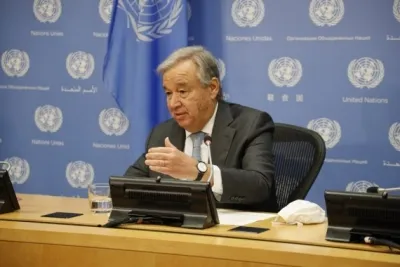
In response, Guterres underlined the importance of efforts to prevent conflict escalation and mitigate its humanitarian and security ramifications.
They discussed the current military tensions in the region. The Secretary-General reaffirmed his previous statements' urgency, highlighting the necessity for all parties to adhere to international law and international humanitarian law, while abstaining from attacks on civilians and civilian infrastructure. He expressed deep concern over the regional spillover effects and the impact of the ongoing conflict on the global economy, as detailed in a UN statement following the Secretary-General's call with Araghchi.
Point of View
Iran's call for a stronger UN response reflects deep concerns over civilian safety and international law violations. The emphasis on self-defense rights adds complexity to the geopolitical landscape, urging a careful examination of global responses to regional conflicts.
NationPress
7 Oct 2026
Frequently Asked Questions
What did Iran's Foreign Minister urge the UN to do?
Iran's Foreign Minister Seyed Abbas Araghchi urged the UN to adopt stronger and more responsible positions in explicitly condemning the ongoing aggression and crimes in the region.
Why is the call to the UN significant?
The call is significant as it highlights Iran's serious concerns over civilian safety and the violation of international law amidst rising tensions in West Asia.
What actions did Araghchi mention regarding self-defense?
Araghchi stated that Iran reserves the right to defend itself against any US military actions, warning that such actions would lead to targeting American facilities in the region.
What was Guterres' response to the situation?
Guterres acknowledged the need for efforts to prevent conflict escalation and emphasized adherence to international law and humanitarian standards.
What are the implications of the ongoing conflict?
The ongoing conflict raises concerns over regional stability and its potential impact on global economic conditions.