UN Voices Concern Over US Threats to Iranian Infrastructure
Synopsis
The United Nations responds to alarming US threats regarding potential military action against Iranian infrastructure, emphasizing international law and the need for peaceful resolutions. This situation raises critical questions about conflict, legality, and the future of diplomacy in the region.
Key Takeaways
UN expresses alarm over US military threats to Iranian infrastructure.
International law protects civilian infrastructure from military attacks.
The need for peaceful resolutions to international disputes is emphasized.
Iran condemns US and Israeli attacks on educational facilities.
Military actions could lead to violations of international law .
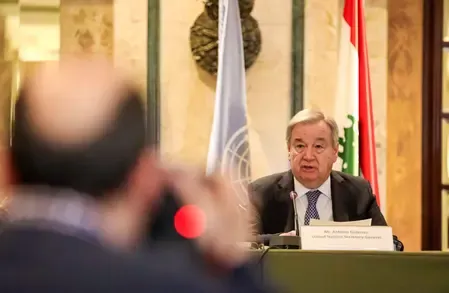
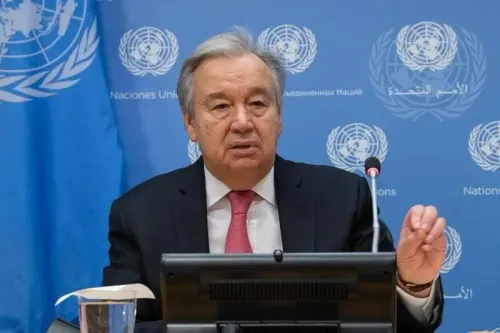
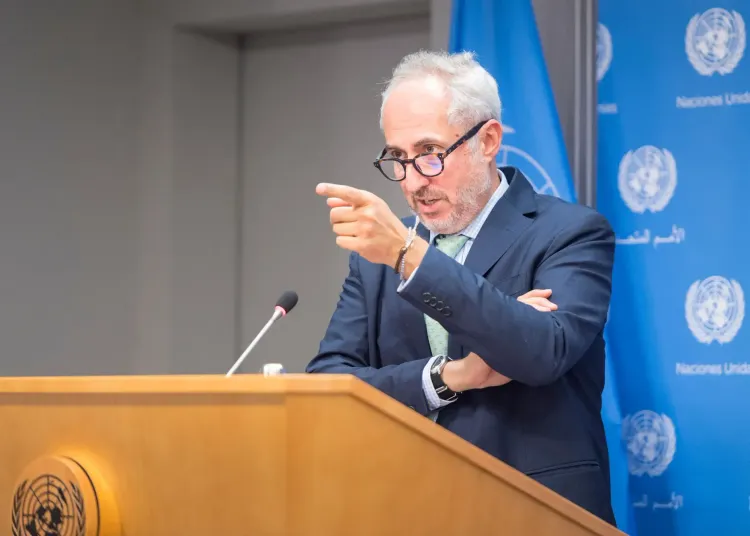
The United Nations expressed serious concerns on April 7 regarding the escalating rhetoric from the United States, which suggests potential strikes on Iran's power plants and bridges. A representative from the UN indicated, "We were troubled by the statements in a recent social media post that threatened American military actions against vital infrastructure if Iran does not comply with a proposed agreement," said Stephane Dujarric, the chief spokesperson for UN Secretary-General Antonio Guterres, during a routine briefing.
"The Secretary-General has consistently emphasized the importance of adhering to international law and again calls upon all involved parties to fulfill their responsibilities regarding the conduct of hostilities," he added.
The spokesperson pointed out that civilian infrastructure, including energy-related facilities, is protected from attacks under international law, even if such targets might, in specific contexts, be regarded as military objectives, as reported by the Xinhua news agency.
"The Secretary-General reiterates the urgent need for all parties to cease hostilities, as there is no alternative to resolving international disputes through peaceful means," he stated.
When queried about the possibility of these actions being classified as war crimes, Dujarric noted that "they would represent violations of international law," and whether they constitute a crime would ultimately be determined by judicial authorities.
"Any attack on civilian infrastructure is a clear breach of international law," he affirmed.
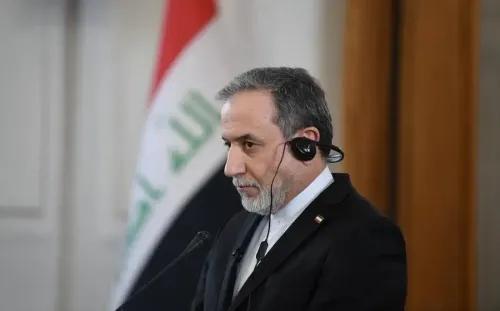
In parallel, Iranian Foreign Minister Seyed Abbas Araghchi condemned the recent US and Israeli assault on the Sharif University of Technology in Tehran, which inflicted extensive damage on its information technology center and a nearby gas substation.
Additionally, Iran's military announced on Sunday that it had targeted petrochemical facilities and storage sites for petroleum products in southern Israel, as well as US military depots, satellite communication units, and troops stationed at a base in Kuwait.
Point of View
It is crucial to consider the implications of military threats on international law and civilian safety. The UN's call for adherence to legal obligations underscores a broader need for diplomatic solutions in a volatile region. As the situation evolves, a nation-first approach emphasizes the importance of peace over conflict.
NationPress
15 Oct 2026
Frequently Asked Questions
What did the UN spokesperson say about US threats?
The UN spokesperson expressed alarm regarding the US rhetoric that threatens military action against Iranian power plants and bridges, emphasizing the need for adherence to international law.
Is attacking civilian infrastructure a violation of international law?
Yes, any attack on civilian infrastructure is considered a clear violation of international law, as reiterated by the UN Secretary-General.
What was Iran's response to the US and Israeli attacks?
Iran's Foreign Minister condemned the attacks on the Sharif University of Technology and stated that Iran's military targeted US facilities and petrochemical industries in response.
What is the UN's stance on resolving international disputes?
The UN emphasizes the necessity for all parties to cease hostilities and pursue peaceful resolutions to international disputes.
Could US threats lead to war crimes?
The UN spokesperson indicated that such threats could constitute violations of international law, though whether they are classified as war crimes would need judicial assessment.