Khamenei: US strikes on Iran prove Trump's signature 'worthless'
Synopsis
Iran's Supreme Leader Khamenei has declared Trump's signature 'worthless' after the US conducted multiple waves of strikes on Iranian territory despite a peace MoU signed just weeks ago. With Tehran formally suspending its MoU obligations and missile exchanges reaching Kuwait and Bahrain, the June 18 diplomatic framework has effectively collapsed — and the Strait of Hormuz now sits at the centre of a rapidly widening confrontation.
Key Takeaways
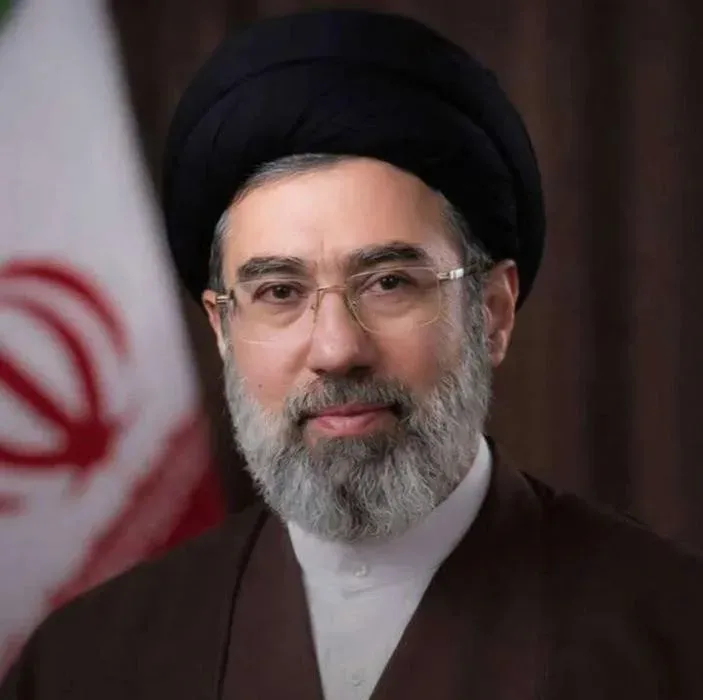
Supreme Leader Mojtaba Khamenei declared on 19 July that US strikes have proven President Trump's signature on the peace MoU 'worthless and invalid.' The peace MoU was signed by Iranian President Masoud Pezeshkian and Trump on 18 June , envisaging negotiations within 60 days .
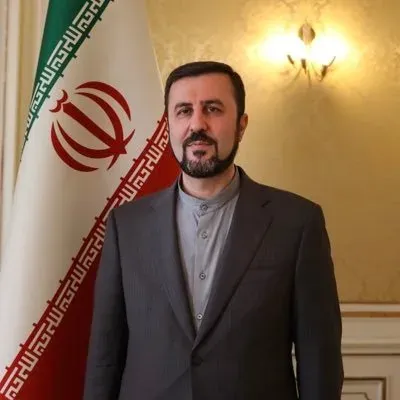
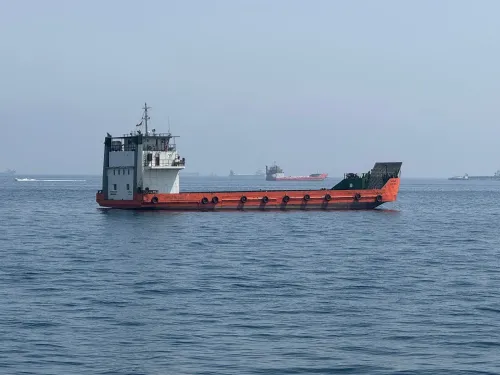
Deputy Foreign Minister Kazem Gharibabadi announced Iran has ceased fulfilling its MoU obligations, saying there is 'no news of negotiations.' The US has launched multiple rounds of strikes on Iran's southern provinces , citing threats to commercial shipping in the Strait of Hormuz .
Iran has retaliated with missile and drone attacks on US bases in Gulf countries and Jordan .
Kuwait and Bahrain intercepted fresh Iranian aerial attacks on Saturday; a Kuwaiti oil facility and desalination plant were hit.
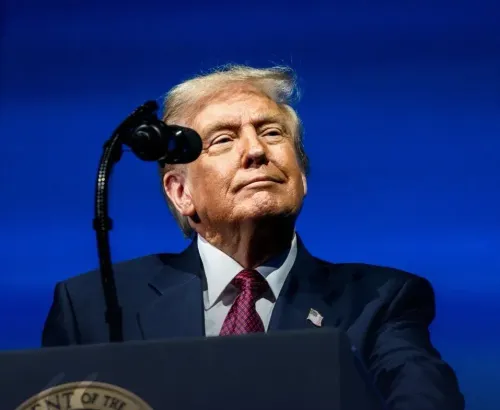
Iranian Supreme Leader Mojtaba Khamenei declared on 19 July that repeated US military strikes on Iran — despite a peace memorandum of understanding (MoU) signed as recently as 18 June — have exposed US President Donald Trump's signature as 'worthless and invalid,' according to Iranian state media. The statement marks a sharp escalation in rhetoric as active hostilities continue across the region.
Khamenei's Warning to Washington
In a message to the Iranian people carried by state media, Khamenei said the frequent US violations of the MoU — signed between Iranian President Masoud Pezeshkian and Trump — 'once again proved to everyone the fact that how worthless and invalid the US president's signature is.' He described the pattern as 'another solid proof of the US lying and its illogical, unreliable, and evil nature,' and said the United States had 'once again revealed its true and unmasked face.'
Khamenei warned that if Washington continued what he termed warmongering and sought to impose heavier costs on Iran, it should expect 'unforgettable lessons' from Iran and what he called the resistance front.
Iran Suspends MoU Commitments
Earlier on Saturday, Iranian Deputy Foreign Minister for Legal and International Affairs Kazem Gharibabadi announced that Iran had ceased fulfilling its obligations under the MoU, accusing Washington of violating or suspending 'all its commitments' under the deal. Speaking on state-run IRIB TV, Gharibabadi said Iran is now focused solely on self-defence, adding: 'There is no news of negotiations.'
'What we are currently faced with is defending the country in a decisive manner,' Gharibabadi said. 'This time too, the Americans have already received their answer that these aggressive actions will lead nowhere. If they are wise, they should choose other solutions.'
Military Exchanges Intensify
The United States has launched multiple waves of strikes on military sites and infrastructure in Iran's southern provinces over the past week, claiming the operations were aimed at 'degrading Iran's ability to threaten commercial shipping' in the Strait of Hormuz. Iran has responded with missile and drone attacks targeting US military bases and facilities in several Gulf countries and Jordan.
The MoU, signed on 18 June, had envisaged negotiations within 60 days toward a final agreement. That diplomatic window now appears effectively closed, with both sides trading strikes rather than proposals.
Regional Spillover: Kuwait and Bahrain
The conflict has spilled well beyond Iran's borders. Kuwait and Bahrain confirmed on Saturday that their air defence systems intercepted fresh rounds of Iranian aerial attacks. A key oil facility and a power generation and water desalination plant in Kuwait were struck, raising concerns about energy infrastructure security across the Gulf.
What Comes Next
With Iran formally suspending its MoU obligations and Khamenei threatening 'unforgettable lessons,' the diplomatic path toward a final agreement appears severely damaged. Analysts warn that continued strikes on Gulf energy and water infrastructure risk broader economic disruption, particularly given the Strait of Hormuz's role in global oil transit. Whether back-channel contacts survive the current military exchange remains to be seen.
Point of View
Not the signing stage. What is different this time is the speed — active military exchanges are already underway, Gulf infrastructure is being struck, and both sides have publicly declared the other in breach. Khamenei's 'unforgettable lessons' warning is calibrated for domestic consumption, but the strikes on Kuwait and Bahrain signal a genuine regional escalation that could threaten Gulf energy exports. The Strait of Hormuz framing by Washington is significant — it internationalises the conflict and potentially draws in other naval powers. The question is whether any third-party interlocutor, Oman or Qatar most likely, retains enough trust with both sides to rebuild even a ceasefire framework before the exchange of strikes becomes self-sustaining.
NationPress
19 Jul 2026
Frequently Asked Questions
What did Khamenei say about Trump's signature on the Iran-US peace MoU?
Supreme Leader Mojtaba Khamenei said on 19 July that repeated US violations of the peace MoU have 'once again proved to everyone the fact that how worthless and invalid the US president's signature is.' He also warned Iran would deliver 'unforgettable lessons' if the US continued its military actions.
What is the Iran-US peace MoU signed on 18 June?
The MoU was a peace memorandum of understanding signed by Iranian President Masoud Pezeshkian and US President Donald Trump on 18 June, under which both sides were expected to hold negotiations within 60 days toward a final agreement. Iran has since announced it is no longer fulfilling its obligations under the deal.
Why has Iran suspended its MoU obligations?
Iran's Deputy Foreign Minister Kazem Gharibabadi announced the suspension on Saturday, accusing Washington of violating or suspending 'all its commitments' under the MoU. He said Iran is now focused on self-defence and that there is 'no news of negotiations.'
What military actions have the US and Iran taken against each other?
The US has launched multiple waves of strikes on military sites and infrastructure in Iran's southern provinces, claiming the goal is to degrade Iran's ability to threaten commercial shipping in the Strait of Hormuz. Iran has responded with missile and drone attacks on US military bases and facilities in Gulf countries and Jordan.
How has the conflict affected Kuwait and Bahrain?
Kuwait and Bahrain said on Saturday their air defence systems intercepted fresh rounds of Iranian aerial attacks. A key oil facility and a power generation and water desalination plant in Kuwait were struck, raising concerns about regional energy and water infrastructure security.