Hormuz tanker blast: IRGC says 'violating' ship hit naval mines
Synopsis
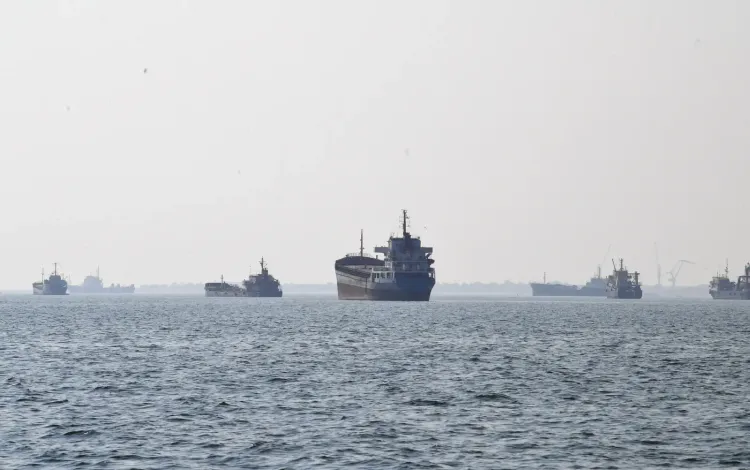
Iran says a tanker that tried to slip through the Strait of Hormuz on an 'unauthorised' route hit naval mines and burst into flames. On the same day, the IRGC claims it fired warning shots that forced a US F-16 escorting such vessels to turn back. Tehran is now openly claiming sovereignty over the world's most critical oil chokepoint.
Key Takeaways
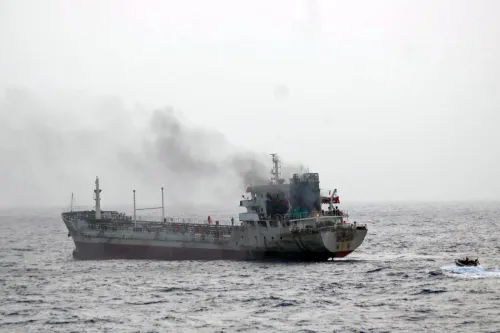
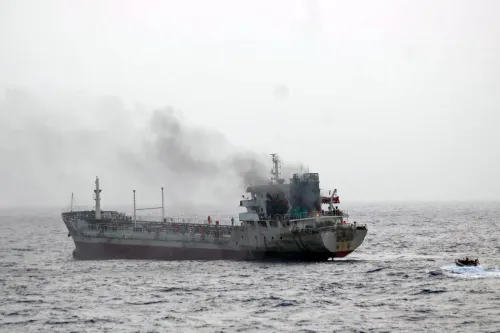
The IRGC navy said on 27 November 2026 that a “violating” oil tanker exploded after hitting naval mines north of Oman's Al Ghanam Island .
A second tanker travelling with it reportedly turned back after the blast.
The IRGC said its air defences forced a US F-16 Fighting Falcon away from Iranian airspace southeast of Hengam Island after firing warning shots.
Tehran warned that further US airspace violations would draw a “decisive” response.
The IRGC claims the number of “violating” tankers using the strait has dropped sharply in recent days.
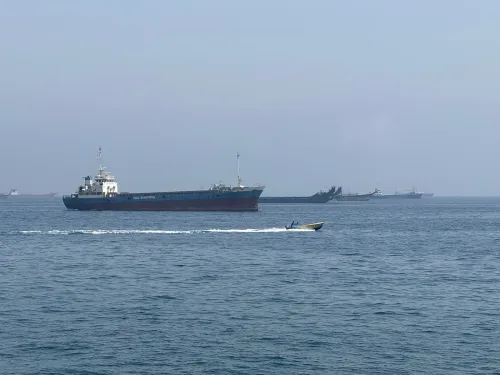
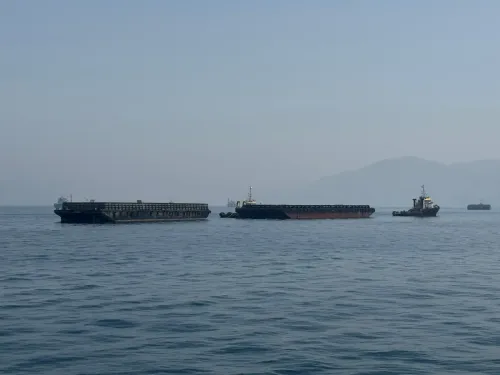
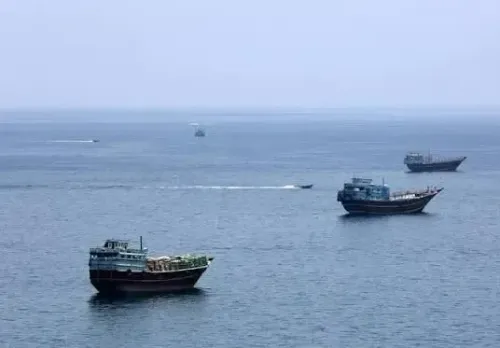
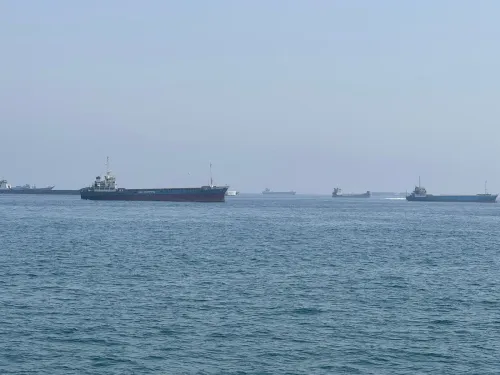
The navy of Iran's Islamic Revolutionary Guard Corps (IRGC) said on Friday, 27 November 2026, that a “violating” oil tanker exploded and caught fire after hitting naval mines in the Strait of Hormuz. According to the IRGC, the vessel was trying to cross the waterway through an “unauthorised” route north of Oman's Al Ghanam Island. On the same day, the IRGC said its air defences forced a US F-16 Fighting Falcon to turn away from Iran's southern airspace.
The IRGC's claims were published on its official news outlet, Sepah News. They could not be independently verified at the time of publishing.
Key Developments in the Strait of Hormuz
According to the IRGC navy's statement, the tanker had been attempting to pass through the strait “stealthily” alongside a second oil tanker. After the blast, the second vessel changed course and turned back, the navy said.
The statement did not name either vessel. It also did not give details on the crew, casualties or the cargo on board.
The IRGC navy said the number of “violating” tankers trying to use the strait's “unauthorised” route has dropped sharply in recent days. It called this a sign of its forces' strength, saying it was “indicative of its forces' power and absolute sovereignty over the waterway's eastern and western parts.”
IRGC Claims US F-16 Was Forced to Turn Away
Earlier on Friday, the IRGC said its air defence systems had forced a US F-16 Fighting Falcon to change course and move away from Iran's southern airspace. According to the statement on Sepah News, the jet had approached Iranian airspace southeast of Hengam Island.
The IRGC said the aircraft was escorting and providing air cover for vessels it described as “violating” maritime regulations. The jet changed course with a “harsh manoeuvre” after the IRGC's aerospace force fired warning shots, the statement said. It described its air defence systems as “modern and advanced.”
Tehran's Warnings to Shipping and Washington
The IRGC said any attempt to get around the rules governing maritime traffic in the Strait of Hormuz was “unacceptable.” It warned that continued violations could bring heavier losses for those involved and for the military forces supporting them, according to reports.
The force also told US military commanders that Iranian airspace was a red line for the country's armed forces. It said any further attempt by US fighter jets to violate that airspace would be met with a “decisive” air defence response.
Why the Strait of Hormuz Matters
The Strait of Hormuz is one of the world's most important energy chokepoints. It is widely estimated that roughly a fifth of global oil supply passes through the narrow waterway between Iran and Oman.
Iran's statements point to a stricter regime of IRGC-defined “authorised” and “unauthorised” routes through the strait. Notably, the IRGC itself described a pattern of vessels trying to evade its rules, with US air cover in at least one instance. That pattern points to an ongoing standoff rather than a one-off incident.
Any disruption in the strait is closely watched by major crude importers, including India, which relies heavily on Gulf energy supplies.
What Happens Next
No response from Washington or Muscat to the IRGC's claims was included in the initial statements. Shipping operators, insurers and energy markets are likely to scrutinise the reported use of naval mines, as it raises the risk profile for every vessel transiting the corridor. How the US and regional states respond in the coming days will shape whether the confrontation in the Strait of Hormuz cools or escalates further.
Point of View
This marks a shift from harassment and seizures to lethal area denial, and every Hormuz transit becomes a pricing problem for insurers and importers like India. Yet these are one-sided IRGC claims, with no vessel named, no casualty count and no US account. Until independent confirmation arrives, the story is as much about Tehran's messaging as about what actually happened at sea.
NationPress
27 Nov 2026
Frequently Asked Questions
What happened to the oil tanker in the Strait of Hormuz?
According to the IRGC navy, a 'violating' oil tanker exploded and caught fire after hitting naval mines north of Oman's Al Ghanam Island on 27 November 2026. The IRGC said the vessel was using an 'unauthorised' route, and a second tanker with it turned back.
What did Iran say about the US F-16 incident?
The IRGC said its air defence systems fired warning shots that forced a US F-16 Fighting Falcon to change course near Hengam Island. It said the jet had been providing air cover for vessels Iran described as violating maritime rules.
Has the tanker explosion been independently verified?
No. The claims come from IRGC statements on its official outlet Sepah News and had not been independently verified at the time of publishing. The vessels were not named, and no casualty details were given.
Why is the Strait of Hormuz important?
The Strait of Hormuz is a key global oil chokepoint between Iran and Oman, through which roughly a fifth of world oil supply is widely estimated to pass. Any disruption there can affect energy prices and importers such as India.
What warning did Iran issue to the US?
The IRGC said Iranian airspace is a red line and that any further attempt by US fighter jets to violate it would face a 'decisive' air defence response. It also warned that continued maritime violations could bring heavier losses.