Ebola outbreak: Italy sends Spallanzani experts to DRC, urges EU border coordination
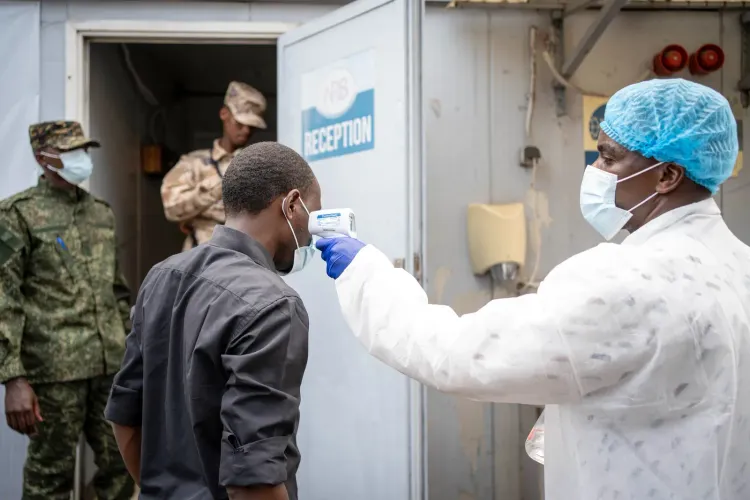
Synopsis
With no vaccine for the rare BVD strain and WHO upgrading DRC's risk to 'very high,' Italy is moving faster than most European governments — deploying Spallanzani specialists to Kinshasa this weekend and pressing EU leaders for emergency health-minister talks. The 906-case count and a confirmed Uganda spillover make this the most serious Ebola escalation in years.
Key Takeaways
Italy is deploying a team from Rome's Spallanzani Institute to Kinshasa, DRC as early as this weekend to provide technical and medical assistance.
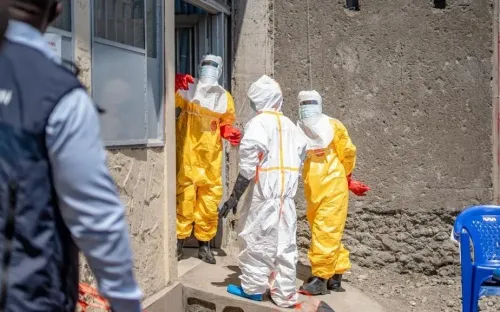
The Bundibugyo Ebola virus (BVD strain) outbreak in DRC has reached 906 suspected cases and 223 suspected deaths under investigation.
WHO has upgraded the risk level in DRC from 'high' to 'very high' and declared a public health emergency of international concern (PHEIC) .
Seven cases have been confirmed in Uganda , including one death ; three cases were imported from DRC.
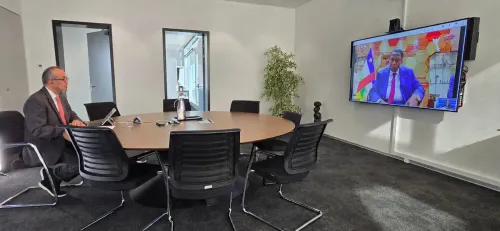
PM Giorgia Meloni has written to EU Council and Commission presidents urging coordinated border surveillance, with a proposed discussion at the European Council on 18-19 June .
There are currently no approved vaccines or therapies for the BVD strain of Ebola.
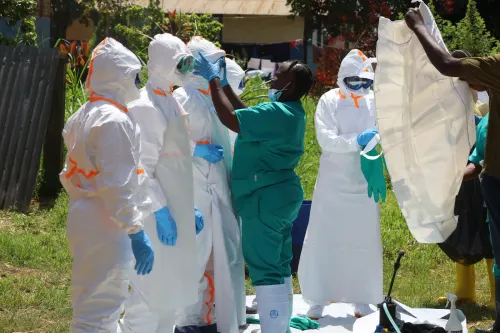
Italy is deploying a team of infectious disease specialists from Rome's Spallanzani Institute to Kinshasa, Democratic Republic of the Congo (DRC), as early as this weekend, as Prime Minister Giorgia Meloni pushes the European Union to tighten coordinated border surveillance in response to a rapidly escalating Bundibugyo Ebola virus (BVD strain) outbreak. The mission, announced on Friday, 29 May, marks Italy's most direct intervention yet in the crisis, which has now recorded 906 suspected cases and 223 suspected deaths under investigation in DRC alone.
Italy's Mission to Kinshasa
The Spallanzani team — coordinated jointly by Italy's foreign ministry, health ministry, civil protection department, and foreign intelligence service — will provide technical assistance, deliver medical supplies and medicines, and strengthen epidemiological surveillance on the ground. The Spallanzani National Institute for Infectious Diseases in Rome is Italy's leading centre for high-risk pathogen research and has previously led Italian responses to Ebola, COVID-19, and monkeypox.
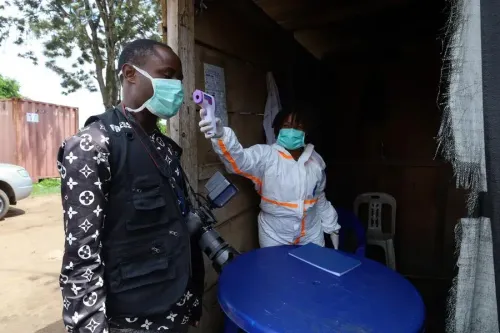
At the national level, Italy's health ministry has issued guidelines for 'targeted health surveillance and monitoring protocols for travellers returning from affected regions,' according to the official statement from Meloni's office.
Meloni Writes to EU Leadership
Meloni has written directly to EU Council President Nikos Christodoulides, European Council President Antonio Costa, and European Commission President Ursula von der Leyen, urging 'enhanced coordination of border surveillance through common rules for managing direct and indirect arrivals from the affected areas.'
Italy has proposed that the issue of border management be placed on the agenda of the European Council meeting on 18-19 June. Rome has also called for a video-conference of EU health ministers on border surveillance 'as early as next week,' and for operational priorities to be agreed at the EPSCO (Employment, Social Policy, Health and Consumer Affairs Council) meeting on 16 June.
WHO Upgrades DRC Risk to 'Very High'
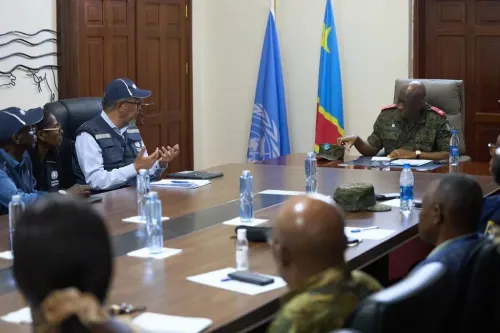
The World Health Organisation (WHO) on Friday upgraded the outbreak risk in DRC from 'high' to 'very high.' In the wider Central African region, the risk is now assessed as high, though WHO continues to classify the international risk as low. Seven cases have been confirmed in neighbouring Uganda, three of which were imported from DRC, with one death recorded.
Notably, WHO declared a public health emergency of international concern (PHEIC) on the preceding Sunday, while explicitly stating the outbreak does not constitute a pandemic. There are currently no approved vaccines or therapies for the rare BVD strain of Ebola, a factor that significantly complicates containment efforts.
What Happens Next
The Spallanzani team's deployment this weekend is expected to be the first of potentially several European technical missions to the region. Whether the EU moves swiftly on Italy's proposed emergency health ministers' call will be an early test of bloc-wide coordination. With no BVD-specific treatment available and case counts still rising, the trajectory of the outbreak over the coming fortnight will be closely watched by global health authorities.
Point of View
Meaning containment is the only tool available, and containment depends on surveillance capacity in DRC that remains chronically underfunded. Meloni's letters to EU presidents are diplomatically correct, but the 18-19 June European Council timeline is slow relative to an outbreak WHO has already rated 'very high.' The real question is whether the EU can move from coordination language to operational deployment before case counts in Uganda test the region's already strained health infrastructure.
NationPress
13 Oct 2026
Frequently Asked Questions
What is the Bundibugyo Ebola virus (BVD strain) outbreak in DRC?
The Bundibugyo Ebola virus (BVD strain) is a rare strain of Ebola currently causing an outbreak in the Democratic Republic of the Congo, with 906 suspected cases and 223 suspected deaths under investigation as of 29 May 2025. WHO has upgraded the risk in DRC to 'very high' and declared a public health emergency of international concern. There are no approved vaccines or therapies for this specific strain.
Why is Italy sending experts to the DRC?
Italy is deploying a team from Rome's Spallanzani Institute to Kinshasa to provide technical assistance, deliver medical supplies, and strengthen epidemiological surveillance on the ground. The mission was announced by Prime Minister Giorgia Meloni's office on 29 May and is expected to depart as early as this weekend.
What has WHO said about the Ebola outbreak?
WHO upgraded the risk level in DRC from 'high' to 'very high' on 29 May and had previously declared a public health emergency of international concern (PHEIC) the preceding Sunday. The agency stressed the outbreak is not a pandemic, and the international risk remains classified as low.
Has Ebola spread beyond DRC?
Yes. Seven cases have been confirmed in neighbouring Uganda, three of which were imported from DRC, with one death recorded. WHO currently assesses the risk across the wider Central African region as high.
What is Italy asking the EU to do about the Ebola outbreak?
Prime Minister Meloni has written to EU Council President Nikos Christodoulides, European Council President Antonio Costa, and European Commission President Ursula von der Leyen, urging common rules for border surveillance covering arrivals from affected areas. Italy has proposed an emergency video-conference of EU health ministers and wants operational priorities agreed at the EPSCO Council meeting on 16 June.