Italy extends border controls on air, sea routes from Spain for 15 more days
Synopsis
Italy has renewed its border controls on air and sea routes from Spain for a second time — now entering a third straight fortnight — after 80,000 migrants surged into Ceuta in late July. With Rome refusing to back down and Madrid calling the checks 'unjustified,' the standoff is shaping up as a direct test of Schengen's resilience under migration pressure.
Key Takeaways
Italy extended temporary border controls on air and sea routes from Spain for 15 more days , effective 15 September 2026 .
The Italian Interior Ministry cited 'high levels of risk to internal security' and a possible threat of 'terrorist infiltration.' Controls were first imposed on 1 August after approximately 80,000 people entered the Spanish enclave of Ceuta ; nearly 75,000 later returned voluntarily.
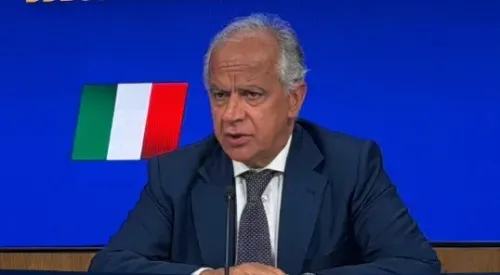
Interior Minister Matteo Piantedosi notified the European Commission and EU counterparts of the latest extension.
Spain has called the measures 'unjustified, discriminatory and contrary to EU interests' and launched reciprocal checks on travellers from Italy on 8 August .
The controls do not apply to Spanish or other EU citizens travelling by air or sea.
Italy has extended temporary border controls on air and sea routes from Spain for another 15 days, the Italian Interior Ministry announced on Tuesday, 15 September 2026. The decision follows a review by the Immigration and Border Security Analysis Committee, which found that 'high levels of risk to internal security' persist, along with a possible threat of 'terrorist infiltration.'
What Triggered the Controls
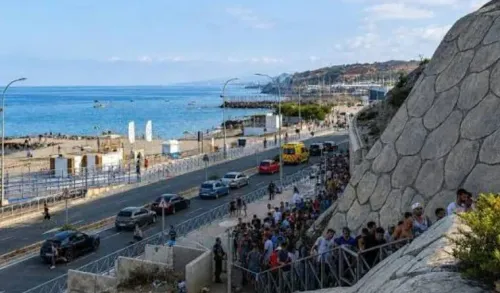
Italy first reintroduced border checks with Spain on 1 August after a massive influx of migrants into Ceuta, a Spanish enclave on the northern coast of Africa, from neighbouring Morocco. Italian Prime Minister Giorgia Meloni announced the initial measures on 31 July, citing the extraordinary scale of the arrivals — approximately 80,000 people entered Ceuta at the end of July, though nearly 75,000 of them subsequently returned voluntarily. The controls were extended once before, at the end of August, and this latest extension marks the second renewal.
What the Measure Involves
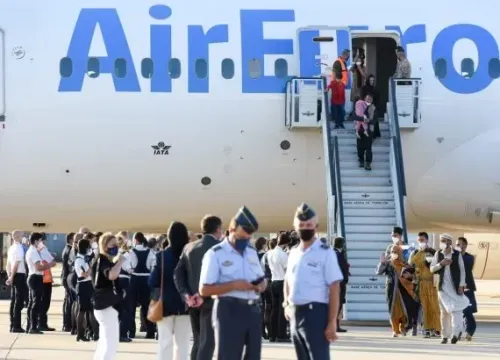
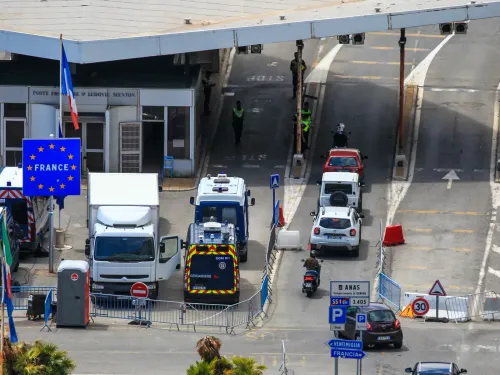
Under the temporary arrangement, Italy has reinstated document and identity checks at its air and maritime internal borders with Spain. Under normal Schengen rules, such checks are abolished among participating countries. However, EU regulations permit member states to temporarily reintroduce controls in exceptional circumstances involving serious threats to public policy or internal security. The Italian Interior Ministry stressed that the controls do not apply to Spanish or other EU citizens travelling by air or sea, and that border authorities would seek to minimise disruption to legitimate cross-border travel.
The Italy-Spain Diplomatic Rift
The measures have strained bilateral ties. The Spanish government stated that Italy had reintroduced the checks on 1 August without prior notification and described them as 'unjustified, discriminatory and contrary to the interests of the European Union.' Spain has called on Italy to withdraw the measures immediately. On 8 August, Spain also initiated document checks for all passengers arriving from Italy, reciprocating the controls. Rome, for its part, said it 'does not accept ultimatums or external pressure' on matters of national security and border management, signalling that the standoff is unlikely to resolve quickly.
Notification to the European Commission
Italian Interior Minister Matteo Piantedosi formally notified the European Commission and his counterparts in other EU member states of the latest extension, in line with Schengen Protocol requirements. The move underscores Rome's position that the controls are legally grounded — while critics in Brussels and Madrid argue they risk undermining the principle of free movement within the bloc.
Broader EU Implications
This dispute is part of a wider pattern of tension across the European Union over migration and border management. The Ceuta influx has reignited debate over whether the Schengen framework is adequate to handle large-scale secondary migration movements, and which member states bear responsibility for onward arrivals. As the controls enter their third fortnight, how the European Commission responds — and whether it formally challenges Italy's rationale — will set a precedent for future border disputes within the bloc.
Point of View
But the deeper logic appears political: Rome is making the case that migration risk justifies a permanent recalibration of internal EU borders, a position Brussels has so far resisted codifying. If the Commission does not formally challenge Italy's rationale now, it risks setting a precedent that other right-leaning governments will use. The Italy-Spain spat is, in that sense, less a bilateral dispute and more an early stress test for Schengen in a high-migration era.
NationPress
16 Sept 2026
Frequently Asked Questions
Why has Italy extended border controls with Spain?
Italy extended the controls for a second time, citing 'high levels of risk to internal security' and a potential threat of 'terrorist infiltration,' according to the Italian Interior Ministry. The original measures were introduced on 1 August after roughly 80,000 migrants entered the Spanish enclave of Ceuta from Morocco in late July.
How long have Italy's border controls on Spain been in place?
Italy first reintroduced the checks on 1 August 2026, extended them at the end of August, and has now renewed them again on 15 September — meaning the controls have been continuously in effect for over six weeks. This latest extension adds a further 15 days.
Do the controls affect Spanish and EU citizens travelling to Italy?
No. The Italian Interior Ministry has specified that the controls apply to third-country nationals and do not affect Spanish or other EU citizens travelling by air or sea. Italian border authorities have been instructed to minimise disruption to legitimate cross-border travel.
What has Spain said about Italy's border measures?
Spain has called the measures 'unjustified, discriminatory and contrary to the interests of the European Union' and has demanded their immediate withdrawal. On 8 August, Spain also introduced reciprocal document checks for passengers arriving from Italy.
Are Italy's measures legal under EU rules?
Italy argues they are, citing EU regulations that permit Schengen members to temporarily reintroduce internal border controls in exceptional circumstances involving serious threats to public policy or internal security. Spain and critics in Brussels dispute whether those thresholds have been met, and the European Commission has been formally notified of the extension.