Italy's Meloni threatens Schengen suspension with Spain over Ceuta migration crisis
Synopsis
Italy's Giorgia Meloni has threatened to suspend the Schengen Area with Spain after hundreds of migrants crossed from Morocco into Ceuta — with at least nine reportedly dying in the attempt. With Deputy PM Tajani attacking Spain's citizenship policy and Madrid summoning Italy's ambassador, a migration flashpoint has triggered the sharpest Italy-Spain diplomatic rupture in years.
Key Takeaways
Italian PM Giorgia Meloni threatened to suspend the Schengen Area with Spain on 31 July over the Ceuta migration crisis.
Hundreds of migrants crossed from Morocco to Ceuta by swimming or inflatable devices; at least 9 people reportedly died.
Deputy PM Antonio Tajani criticised Spain's decision to grant citizenship to more than 500,000 irregular immigrants, calling it 'profoundly wrong.' Spanish Foreign Minister Jose Manuel Albares summoned Italy's ambassador and called Tajani's remarks 'unbecoming.' Spain deployed additional army units to reinforce security in Ceuta after local authorities said they were overwhelmed.
Italian Prime Minister Giorgia Meloni on 31 July threatened to suspend the Schengen Area agreement with Spain, warning that Rome was prepared to take 'extraordinary measures' to defend its borders amid a surge in illegal crossings at Ceuta, the Spanish enclave bordering Morocco. The announcement marks one of the sharpest diplomatic confrontations between two European Union member states over migration policy in recent memory.
What Meloni Said
In a post on X, Meloni described images from Ceuta as 'striking,' arguing they demonstrated that 'uncontrolled illegal immigration poses a concrete threat to the security of Europe's borders.' She confirmed she had spoken with Interior Minister Matteo Piantedosi and that relevant government bodies were being convened to assess the situation.
'We are prepared to intervene with extraordinary measures to defend the borders and the safety of citizens, including the suspension of the Schengen Area with Spain. On illegal immigration, we will not yield an inch,' Meloni wrote.
Tajani Backs Suspension, Attacks Spanish Policy
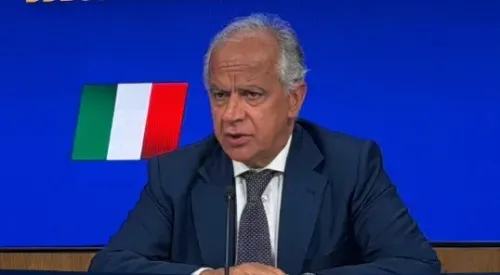
Italian Deputy Prime Minister Antonio Tajani echoed Meloni's position, going further by directly criticising Spain's decision to grant Spanish and European citizenship to more than 500,000 irregular immigrants. Tajani called the move 'profoundly wrong' and said it 'encourages human trafficking.'
'I am in favour of closing the Schengen Area to Spain and have full confidence in Minister Piantedosi's actions,' Tajani posted on X. His remarks drew an immediate and sharp response from Madrid.
Spain Summons Italian Ambassador
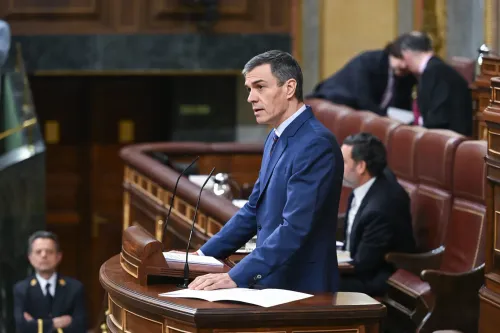
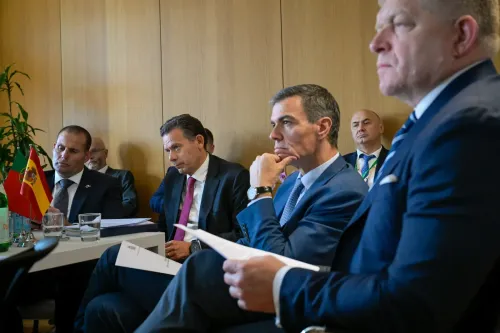
Spanish Foreign Minister Jose Manuel Albares described Tajani's statement as 'unbecoming of the Foreign Minister of a partner and friendly country,' adding that he expected 'European solidarity and not partisan demagoguery.' Albares announced he had summoned Italy's ambassador in response, a formal diplomatic rebuke rarely deployed between allied EU nations.
Albares also clarified that Thursday's events in Ceuta were linked to a court ruling and were unrelated to the citizenship policy Tajani referenced in his post.
The Situation on the Ground in Ceuta
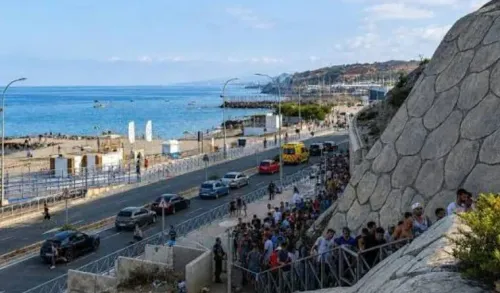
The crisis escalated on Thursday when hundreds of migrants crossed from Morocco to Ceuta by swimming or using inflatable devices to reach Tarajal beach. At least nine people reportedly died in the attempt, according to reports. Spain responded by announcing the deployment of additional army units to reinforce security in Ceuta.
Ceuta's regional president had already urged Madrid to declare a national emergency and assume direct control of the situation, stating that local authorities were overwhelmed by the scale of illegal crossings. This is not the first time Ceuta has been the flashpoint for a large-scale migration surge — a similar crisis unfolded in May 2021, when over 8,000 people crossed in a single day.
What Comes Next
The summoning of Italy's ambassador signals that the diplomatic fallout is unlikely to dissipate quickly. Whether Rome formally triggers any Schengen suspension mechanism — a legally complex step requiring EU-level notification — remains to be seen. The episode arrives as the EU continues to debate a binding migration pact, and Italy's hardline posture under Meloni has repeatedly put it at odds with southern European neighbours. Analysts will watch whether other right-leaning EU governments align with Rome's position in the days ahead.
Point of View
And the Ceuta surge gives Meloni a vivid image to anchor that argument. What the episode also reveals is the EU's structural failure to agree on burden-sharing — without that, bilateral confrontations like this will keep recurring. Madrid's decision to summon Italy's ambassador suggests Spain is unwilling to absorb the blame Italy is trying to assign it.
NationPress
14 Sept 2026
Frequently Asked Questions
Why is Italy threatening to suspend the Schengen Area with Spain?
Italy threatened to suspend the Schengen Area with Spain after a large surge of migrants crossed from Morocco into the Spanish enclave of Ceuta, with PM Giorgia Meloni calling it evidence that 'uncontrolled illegal immigration poses a concrete threat' to European border security. The threat was announced on 31 July following consultations with Interior Minister Matteo Piantedosi.
What happened in Ceuta that triggered this crisis?
Hundreds of migrants crossed from Morocco to Ceuta by swimming or using inflatable devices to reach Tarajal beach on Thursday. At least nine people reportedly died in the attempt, prompting Spain to deploy additional army units and Ceuta's regional president to call for a national emergency.
What did Italy's Deputy PM Tajani say about Spain?
Deputy Prime Minister Antonio Tajani called Spain's decision to grant citizenship to more than 500,000 irregular immigrants 'profoundly wrong,' arguing it 'encourages human trafficking.' He also declared himself in favour of closing the Schengen Area to Spain.
How did Spain respond to Italy's statements?
Spanish Foreign Minister Jose Manuel Albares described Tajani's remarks as 'unbecoming of the Foreign Minister of a partner and friendly country' and summoned Italy's ambassador. Albares also clarified that Thursday's Ceuta events were linked to a court ruling, not the citizenship policy Tajani cited.
Can Italy actually suspend Schengen with Spain?
Suspending Schengen between two EU member states is legally complex and has never been done on migration grounds; it requires formal EU-level notification under the Schengen Borders Code. Whether Rome follows through beyond the political threat remains unclear as of 31 July.