J-1 visa waiver backlog threatens US doctor shortage, warns Gillibrand
Synopsis
A J-1 visa waiver backlog at the US Office of Global Affairs could force hundreds of foreign-trained doctors — many of them Indian — out of the country by July 30. Senator Kirsten Gillibrand warns rural New York counties, where IMGs make up over a third of the workforce, will bear the brunt.
Key Takeaways
Senator Kirsten Gillibrand has warned that J-1 visa waiver processing delays could push hundreds of foreign-trained doctors out of the US.
The bottleneck sits at the Office of Global Affairs under HHS , led by Secretary Robert F.
International medical graduates make up over one-third of New York's physician workforce; India is among the largest source countries.
A 2025 report flags 16 rural New York counties with severe care gaps, some lacking even a single pediatrician or OB-GYN.
Physicians completing residency face a July 30 deadline, after which they may be forced to leave the US.
Gillibrand has asked HHS for answers by June 15 on pending applications and expedited reviews.
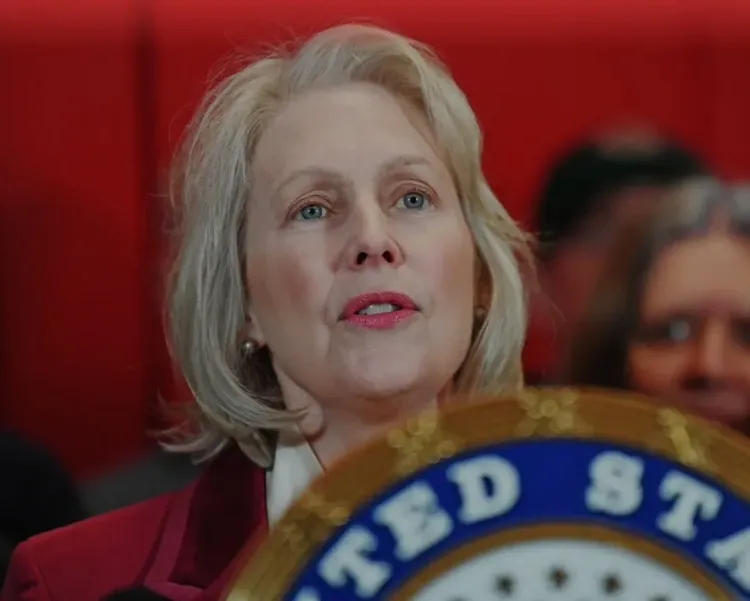
Hundreds of foreign-trained physicians may be forced to leave the United States as a processing backlog of J-1 visa waivers stalls their placement at hospitals across the country, Senator Kirsten Gillibrand has warned, cautioning that rural healthcare in states like New York could take a direct hit. In a letter to Health and Human Services Secretary Robert F. Kennedy Jr., the New York Democrat flagged an administrative bottleneck at the Office of Global Affairs (OGA) within HHS that is blocking qualified international medical graduates from beginning service.
What Gillibrand's letter says
“The current administrative bottleneck within the Office of Global Affairs (OGA) is preventing hundreds of qualified, foreign-trained physicians from beginning their service around the United States, including at healthcare facilities in some of New York's most rural and medically underserved areas,” Gillibrand wrote.
She noted that her office has received multiple reports from New York hospitals and constituent physicians who have employment offers from major hospital systems but have been stuck in administrative limbo for months without clear guidance from HHS.
Why this matters for India
The development carries significant implications for India, which is among the largest sources of international medical graduates working in the US. Indian-origin doctors form a substantial share of the J-1 waiver pipeline, and prolonged delays could disrupt career trajectories for hundreds of physicians who have already secured US hospital contracts.
Rural healthcare on the line
According to Gillibrand, international medical graduates account for more than one-third of New York's physician workforce — a higher proportion than nearly every other state. Citing a 2025 report, she said 16 rural counties in New York face alarming gaps in care, with several lacking even a single pediatrician or OB-GYN.
“On average, these counties have only four primary care physicians per 10,000 residents, which is less than half the statewide ratio,” she wrote. Hospitals in such areas lean on the J-1 waiver programme, which allows foreign physicians to remain in the US if they agree to work in federally designated Health Professional Shortage Areas.
The July 30 deadline
Gillibrand warned that the issue is becoming urgent because many physicians completing residency programmes face a July 30 deadline to avoid being required to return to their home countries. “If their waivers are not recommended by HHS in time for subsequent processing by the State Department and U.S. Citizenship and Immigration Services, these doctors may be forced to leave the country and New Yorkers will bear the consequences,” she wrote.
What Gillibrand is asking HHS
The senator said HHS had informed her office in April that the OGA was processing a large volume of applications while rolling out procedural improvements, but had not committed to a timetable. She has sought answers by June 15 on the number of pending applications, average processing times, and whether expedited reviews would be considered for physicians with contracts in high-need areas.
“These administrative hurdles are not merely inconvenient; they threaten the stability of our healthcare system and the well-being of New Yorkers who face delays in treatment or an inability to access care altogether,” Gillibrand added. With the residency cycle closing in weeks, the next move from HHS could determine whether rural America keeps its doctors or loses them to red tape.
Point of View
And an administrative freeze at HHS effectively converts a workforce gap into a healthcare emergency. Gillibrand's framing is correct: this is not red tape, it is risk transfer onto patients in counties that already lack a single OB-GYN. If the July 30 cliff passes without resolution, expect a cascade of contract cancellations that will be far harder to reverse than to prevent.
NationPress
15 Sept 2026
Frequently Asked Questions
What is the J-1 visa waiver programme for doctors?
The J-1 visa waiver allows foreign-trained physicians on J-1 exchange visas to remain in the United States instead of returning home, provided they agree to work in federally designated Health Professional Shortage Areas. It is a key pipeline for staffing rural and underserved US hospitals.
Why has Senator Kirsten Gillibrand written to HHS?
Gillibrand has flagged a processing backlog at the HHS Office of Global Affairs that is blocking hundreds of qualified foreign-trained doctors from starting work in the US. She has asked Secretary Robert F. Kennedy Jr. for answers by June 15 on pending applications, processing times and possible expedited reviews.
How does this affect Indian doctors?
India is among the largest sources of international medical graduates working in the United States, so the J-1 waiver backlog disproportionately affects Indian-origin physicians. Many with confirmed US hospital contracts could be forced to return home if their waivers are not cleared in time.
What is the significance of the July 30 deadline?
Many physicians completing US residency programmes face a July 30 deadline to secure their waivers, failing which they may be required to return to their home countries. Without timely HHS recommendations followed by State Department and USCIS processing, these doctors will lose their ability to stay and work in the US.
How dependent is New York on foreign-trained doctors?
International medical graduates account for more than one-third of New York's physician workforce, a higher share than in almost any other state. A 2025 report cited by Gillibrand found that 16 rural New York counties face severe care gaps, with several lacking even a single pediatrician or OB-GYN.