EAM Jaishankar Engages in Dialogue with German FM on West Asia Conflict
Synopsis
In a critical dialogue, EAM Jaishankar and German FM Johann Wadephul discuss the escalating West Asia conflict, now in its fourth week. Their commitment to ongoing communication reflects the seriousness of the situation as it unfolds.
Key Takeaways
EAM Jaishankar and German FM Johann Wadephul engaged in critical discussions on the West Asia conflict.
The conflict has now progressed into its fourth week .
Both leaders agreed to maintain ongoing communication as the situation evolves.
India is employing a balanced approach, engaging with multiple regional stakeholders.
The crisis was sparked by U.S. and Israeli strikes on Tehran.
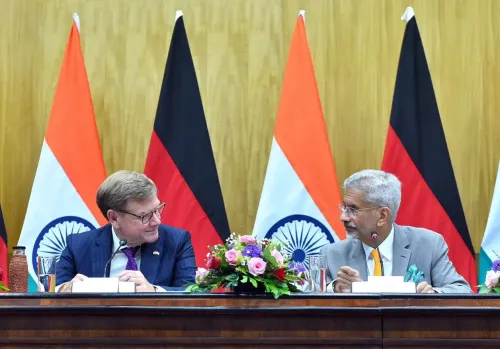
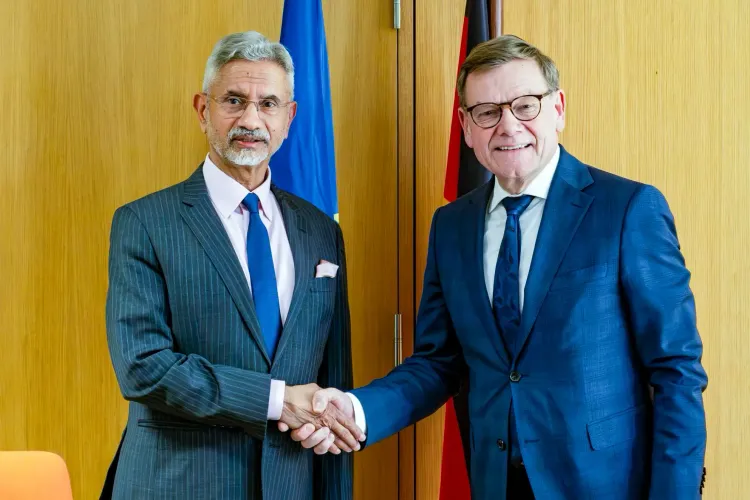
New Delhi, March 23 (NationPress) External Affairs Minister (EAM) S. Jaishankar announced on Monday that he engaged in a dialogue with his German counterpart, Johann Wadephul, regarding the ongoing conflict in West Asia, which has now progressed into its fourth week. Both officials concurred on the importance of maintaining close communication as the situation evolves.
Elaborating on the discussion via X, EAM Jaishankar stated, "A productive conversation last night with German FM Johann Wadephul concerning the West Asia conflict. We agreed to keep in touch."
This latest interaction follows a series of diplomatic dialogues between the two leaders in recent weeks.
On March 16, EAM Jaishankar met Wadephul face-to-face in Brussels, where they engaged in what he referred to as a "significant exchange of insights on the situation in West Asia," while also reviewing various aspects of their countries' bilateral cooperation.
Previously, on March 10, the two ministers had also deliberated on the West Asia situation as part of ongoing consultations, highlighting the increasing international concern regarding the conflict's implications for energy security and regional stability.
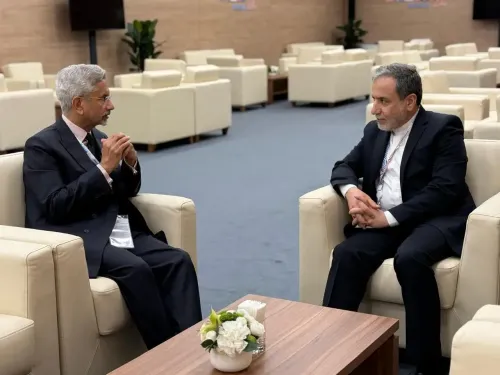
In recent weeks, EAM Jaishankar has actively communicated with several global leaders as tensions in the region escalate. His outreach has included discussions with key stakeholders, including Abbas Araghchi, focusing on recent developments and their broader regional impacts.
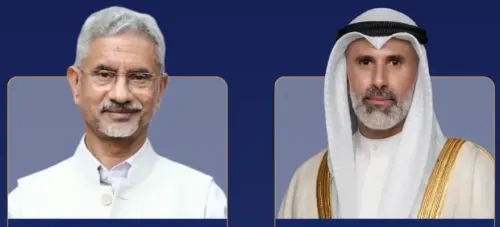
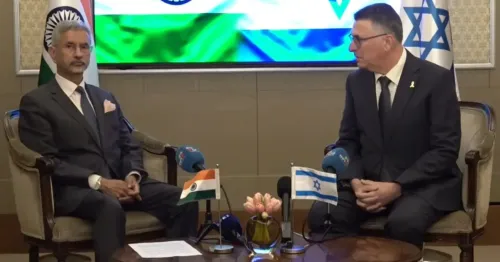
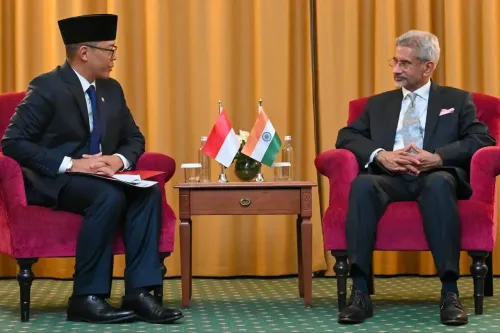
In addition to Iran, the External Affairs Minister has sustained dialogue with foreign ministers from various Gulf countries, emphasizing India's commitment to remain diplomatically engaged with all parties involved in the crisis.
The conflict in West Asia erupted following the strikes executed by the United States and Israel on Tehran on February 28, leading to the death of Iran's Supreme Leader Ayatollah Ali Khamenei.
The situation has since expanded, involving multiple nations across the Gulf region and sparking concerns over critical strategic corridors like the Strait of Hormuz.
India's response to the crisis reflects a measured and diplomatic approach, with its leadership engaging with all regional stakeholders since February 28, demonstrating a steadfast effort to navigate the crisis without favoring any specific side.
Point of View
The recent discussions between EAM Jaishankar and FM Wadephul highlight a proactive diplomatic approach amidst a volatile situation in West Asia. The commitment to dialogue reflects a broader strategy to ensure stability and security in the region. India's balanced engagement with multiple stakeholders exemplifies its diplomatic maturity.
NationPress
26 Sept 2026
Frequently Asked Questions
What is the current status of the West Asia conflict?
The West Asia conflict has now entered its fourth week, with increasing international concern over its implications for energy security and regional stability.
Who are the key figures involved in the discussions?
The discussions primarily involve India's External Affairs Minister S. Jaishankar and Germany's Foreign Minister Johann Wadephul.
What prompted the escalation of the West Asia conflict?
The conflict escalated following strikes by the United States and Israel on February 28, resulting in significant casualties, including the death of Iran's Supreme Leader.
How is India responding to the crisis?
India is maintaining a balanced diplomatic strategy, engaging with multiple regional actors to navigate the crisis without aligning with any specific side.
What are the concerns surrounding the Strait of Hormuz?
The Strait of Hormuz is a critical strategic corridor, and the conflict's expansion raises concerns about the security and stability of this vital route.