Bangladesh Jamaat-e-Islami under fire after lawmaker's expulsion over misconduct
Synopsis
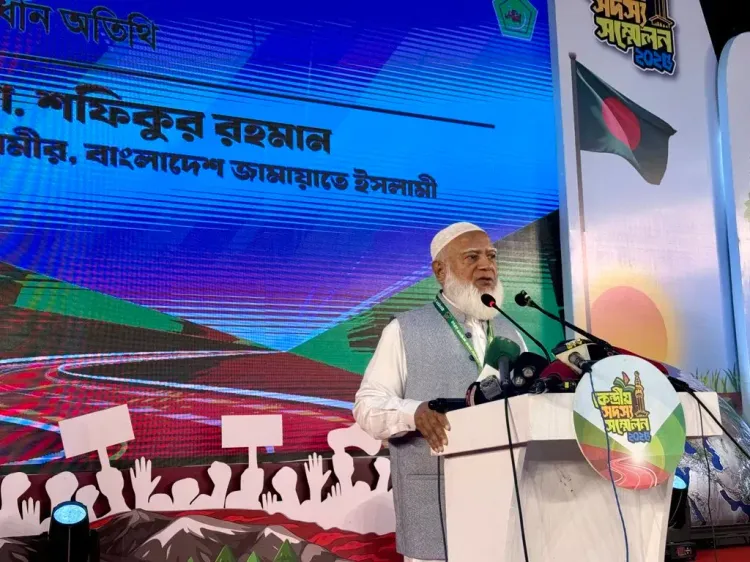
Jamaat-e-Islami expelled lawmaker Gazi Nazrul Islam over 'moral turpitude' and staff assault allegations — but only after public outcry. The belated action has cracked the party's carefully built image as Bangladesh's ethical alternative, exposing documented contradictions on women's leadership and a reactive accountability culture that critics say undermines its core political identity.
Key Takeaways
Gazi Nazrul Islam , a Jamaat-e-Islami lawmaker, was expelled over charges of 'moral turpitude' and allegations of assaulting staff members.
Jamaat acted only after widespread public criticism and media pressure, raising questions about the sincerity of its accountability mechanisms.
Senior Jamaat leaders have publicly stated that women cannot lead the party, citing their interpretation of Islamic doctrine.
The party fielded no women candidates in directly elected parliamentary constituencies in recent elections.
Leading Bangladeshi newspaper Daily Sun called on Jamaat to confront 'deeper contradictions' between its moral claims and its political practices.
Women are described as central to Bangladesh's economy — from the garment sector to banking, healthcare, and the civil service.
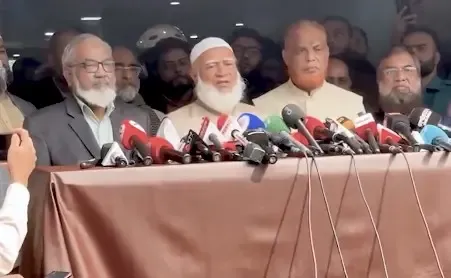
Bangladesh's Jamaat-e-Islami is facing intensifying scrutiny over its moral credibility after the expulsion of Gazi Nazrul Islam, one of its lawmakers, on charges of 'moral turpitude' — compounded by allegations that he physically assaulted members of his own staff. The party moved to distance itself from Islam only after sustained public criticism and media coverage, raising questions about whether the action reflected genuine accountability or damage control.
The Scandal That Sparked the Crisis
Jamaat has long positioned itself as a faith-based alternative to Bangladesh's established political parties, arguing that Islamic values would deliver cleaner governance and stronger ethical standards. According to a commentary published in leading Bangladeshi newspaper Daily Sun, 'that claim is now facing its first real test.' The expulsion of Islam, while presented as decisive action, came belatedly — and critics argue it exposed a reactive rather than preventive culture within the party's leadership.
The Party's Stance on Women in Leadership
The controversy has drawn fresh attention to Jamaat's documented positions on women in public life. Senior party leaders have publicly stated that a woman cannot lead the organisation, citing their interpretation of Islamic doctrine. The party fielded no women candidates in directly elected parliamentary constituencies in recent elections. As Daily Sun noted, 'those positions alone send a powerful message about how Jamaat views women's place in political leadership.'
The scrutiny deepened after several senior Jamaat figures were reportedly quoted in media outlets advocating shorter working hours for women returning from maternity leave and financial incentives to encourage mothers to stay at home. The leaders subsequently denied the remarks, claiming misrepresentation. Regardless of that dispute, the Daily Sun report observed that 'senior Jamaat leaders have consistently articulated a vision of society in which women's primary role is defined by traditional domestic responsibilities rather than equal participation in public life.'
Why This Matters for Bangladesh
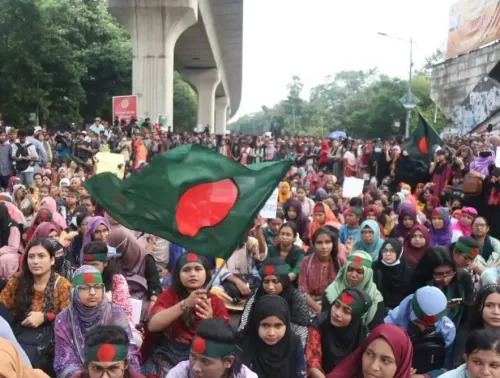
Critics and the Daily Sun report argue that such a vision is 'profoundly disconnected from modern Bangladesh and the aspirations of women and the youth.' Women are central to the country's economic architecture — from the garment sector that transformed Bangladesh's export economy to banking, healthcare, education, agriculture, and the civil service. Restricting women's opportunities, the report argued, 'risks undermining one of Bangladesh's greatest development successes.'
This comes amid a broader national debate about the role of religious political parties in Bangladesh's democratic framework, particularly as Jamaat seeks greater mainstream legitimacy following years of political and legal challenges.
The Accountability Test
The Daily Sun commentary was pointed in its conclusion: if Jamaat 'genuinely seeks to set itself apart from the ethical decay it has long attributed to other political parties, it must uphold higher standards rather than merely expelling members once scandals emerge.' The report called on the party to 'confront the deeper contradictions within its own politics — between preaching morality while failing to prevent misconduct, and between invoking justice while denying women an equal place in leadership.'
Whether Jamaat responds with structural reform or further reactive measures will likely define its credibility as a political force in the months ahead.
Point of View
No female leadership, and senior figures on record advocating domestic roles over public participation. In a country where women built the export economy, that is not a fringe position — it is a structural contradiction at the heart of Jamaat's political project. The real question is not whether Islam should have been expelled sooner, but whether the party has any mechanism to prevent the next scandal before it becomes one.
NationPress
16 Sept 2026
Frequently Asked Questions
Why was Gazi Nazrul Islam expelled from Jamaat-e-Islami?
Gazi Nazrul Islam was expelled from Bangladesh's Jamaat-e-Islami over accusations of 'moral turpitude' and allegations that he assaulted members of his own staff. The party took action only after the case attracted widespread public criticism and media attention.
What is Jamaat-e-Islami's stated position on women in leadership?
Senior Jamaat-e-Islami leaders have publicly stated that a woman cannot lead the party, citing their interpretation of Islamic doctrine. The party also fielded no women candidates in directly elected parliamentary constituencies in recent elections.
Why are critics calling Jamaat's response insufficient?
Critics argue that Jamaat expelled Islam only after sustained public and media pressure, suggesting the action was reactive rather than principled. Leading Bangladeshi newspaper Daily Sun called on the party to address deeper contradictions between its moral rhetoric and its actual political practices, particularly regarding women's rights.
What is the broader significance of this controversy for Bangladesh?
The controversy tests Jamaat's core political identity as a faith-based alternative to Bangladesh's traditional parties. With women central to the country's economic growth — across garments, banking, healthcare, and the civil service — the party's restrictive stance on female leadership is seen as increasingly disconnected from national realities.
What did the Daily Sun report say about Jamaat's vision for women?
The Daily Sun report stated that senior Jamaat leaders have 'consistently articulated a vision of society in which women's primary role is defined by traditional domestic responsibilities rather than equal participation in public life,' calling this vision 'profoundly disconnected from modern Bangladesh and the aspirations of women and the youth.'