Karachi Residents Struggle with Rising Transport Fares Amid Government Orders
Synopsis
In Karachi, residents are burdened by increased transport fares as bus operators defy a Sindh government order aimed at freezing prices. Despite expectations of fare reductions following a fuel subsidy announcement, the situation worsens for commuters and families relying on public transport.
Key Takeaways
Transport fares in Karachi are on the rise, defying government orders.
Commuters are expressing frustration over the unjustified fare hikes.
Families are feeling the financial strain, particularly those with schoolchildren.
Khyber Pakhtunkhwa residents face additional challenges due to gas shortages.
Immediate government action is needed to address these issues.
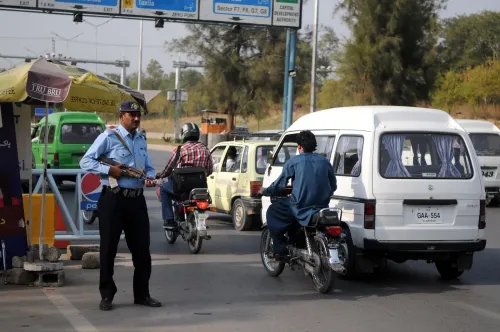
Islamabad, April 9 (NationPress) Residents of Karachi, Pakistan, are facing a rise in public transport fares as bus operators disregard a directive from the Sindh government aimed at freezing fares in exchange for a fuel subsidy, local media reported on Thursday.
Transport service providers, encompassing bus, minibus, Qingqi rickshaw, school van, and goods carrier operators, have persistently requested higher fares. Following the government's subsidy announcement, many Karachi residents hoped for a rollback to previous fare levels, especially after transport associations reportedly agreed to lower rates, as highlighted by Pakistan's prominent daily, Dawn. However, the government's initiative to shield citizens from fare hikes due to fluctuating fuel prices has yet to yield noticeable relief.
A bus passenger, who preferred not to board after learning the minimum fare was Pakistani Rupees (PKR) 50, shared that such experiences have become commonplace since the rise in fuel prices. He remarked, "I used to pay PKR 20, at times PKR 30, for a short trip. Now they are demanding double. Is this reasonable? Have fuel prices doubled? Certainly not. So why are fares being increased?"
Another passenger recounted being compelled to either pay the inflated fare or exit the vehicle when he reminded a conductor of the government's fare freeze order. He raised concerns over the government's failure to enforce its directive and inquired about the consequences for transport operators who ignore official orders.
Shahbaz, a college student, expressed that the fare increase has severely affected his budget. He stated, "I work part-time to fund my studies, but the additional PKR 60 in daily commuting costs has become a strain," adding that he now walks at least two kilometers each way to save on transport expenses, as reported by Dawn.
Parents of schoolchildren have also reported hikes in van fees, with some experiencing increases between PKR 1,000 and PKR 2,000 monthly. One parent commented, "For families with two or three children in school, this surge is unmanageable. Transportation is now consuming a major part of our monthly expenses."
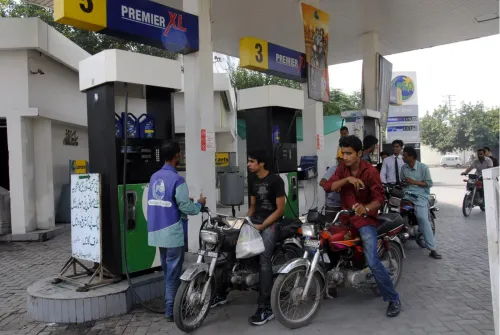
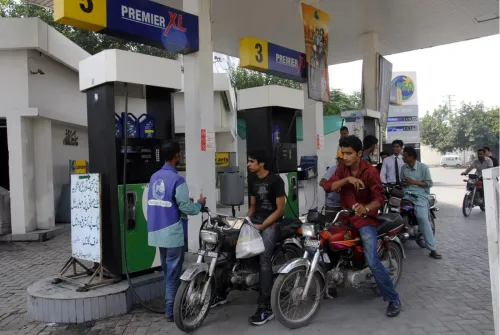
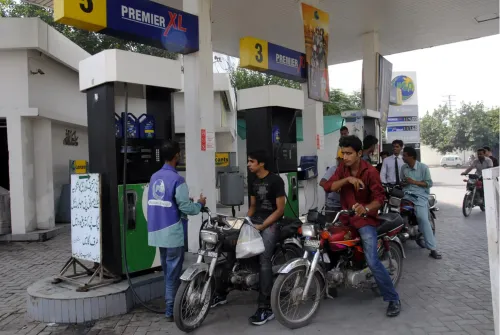
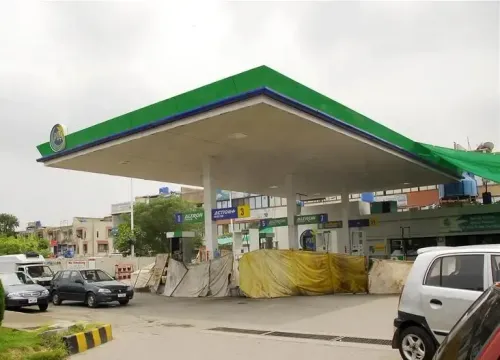
Meanwhile, residents in Peshawar and other regions of Khyber Pakhtunkhwa are grappling with a severe natural gas shortage as CNG stations remained closed across the province on April 5.
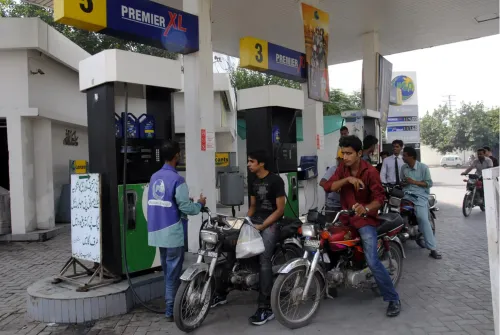
Most school van and bus operators have halted their services due to the lack of CNG, prompting public transport providers to raise fares after switching to petrol, thus placing an additional financial burden on residents, according to another leading daily, The Express Tribune.
CNG filling stations stayed closed for a second consecutive day in Peshawar and other Khyber Pakhtunkhwa areas on April 5. Several regions faced unannounced load shedding of natural gas, exacerbating issues for both domestic and commercial consumers.
The CNG station closures have forced numerous vehicles to cease operations or shift to petrol at higher costs, further inflating transport fares. School transporters are particularly affected, stating that operating on petrol is beyond their financial means, leaving them with no choice but to suspend services, as reported by The Express Tribune. Parents are increasingly worried about the disruption of school transportation, fearing it may adversely affect their children's education and daily routines.
Point of View
It's crucial to recognize the challenges faced by residents in Karachi as they navigate rising transport costs. The defiance of transport operators against government directives highlights a pressing issue that affects the daily lives of countless citizens. Immediate government intervention is necessary to restore fairness in public transport pricing and support the community's financial stability.
NationPress
15 Sept 2026
Frequently Asked Questions
Why are transport fares increasing in Karachi?
Transport fares in Karachi are rising because bus operators are ignoring a Sindh government order to freeze fares, despite a fuel subsidy intended to stabilize prices.
What is the government's role in regulating transport fares?
The Sindh government issued orders to freeze transport fares in exchange for fuel subsidies, aiming to protect citizens from fare increases due to fluctuating fuel prices.
How are commuters reacting to the fare increases?
Commuters in Karachi are expressing frustration and confusion over the fare hikes, questioning the justification behind the increased costs.
How has the fare hike affected students and families?
The fare increases have significantly impacted students and families, with many reporting that transportation costs now take up a large portion of their monthly budgets.
What challenges are residents in Khyber Pakhtunkhwa facing?
Residents in Khyber Pakhtunkhwa are struggling with a severe shortage of natural gas, leading to closed CNG stations and increased transport fares as operators switch to petrol.