Khyber Pakhtunkhwa Faces Disruption in Transport Services Due to Gas Shortage
Synopsis
A severe gas shortage in Khyber Pakhtunkhwa is disrupting transport services, leading to increased fares and halted operations for school vans and buses. Parents voice concerns about the impact on children's education as public transport operators struggle amid rising fuel costs.
Key Takeaways
Severe gas shortage in Khyber Pakhtunkhwa affecting transport services.
CNG stations closed, causing increased reliance on petrol.
Transport fares rising, adding financial pressure on residents.
Parents concerned about the impact on children's education .
Government fuel price hikes complicate the situation.
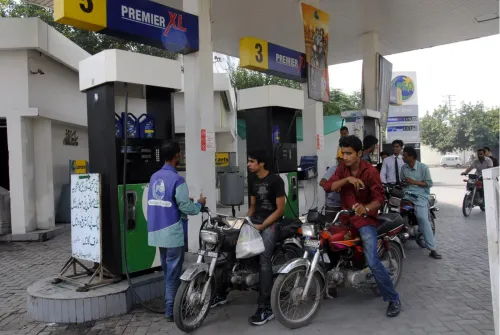
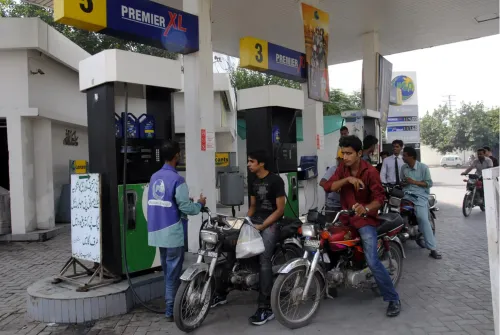
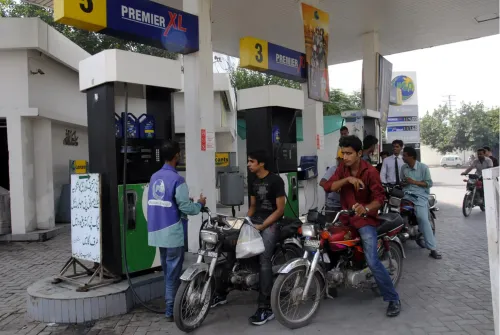
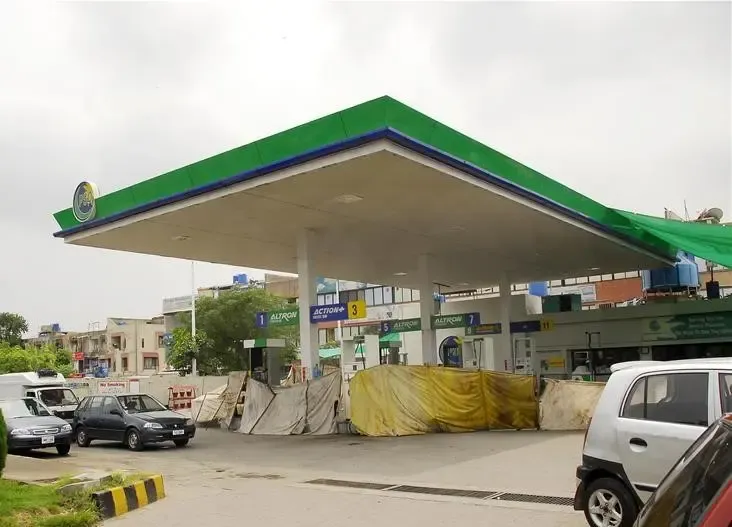
Islamabad, April 6 (NationPress) Inhabitants of Peshawar and various regions of Khyber Pakhtunkhwa, Pakistan, are grappling with significant challenges due to a severe natural gas shortage, as CNG stations remain closed throughout the province, local media reported on Monday.
The majority of school van and bus operators have halted their services due to a lack of CNG, while public transport providers have raised fares as they switch to petrol, adding further financial strain on residents, according to Pakistan's prominent daily, The Express Tribune.
CNG filling stations have been non-operational for the second straight day in Peshawar and other areas of Khyber Pakhtunkhwa as of Sunday. Several regions within Khyber Pakhtunkhwa have experienced unexpected natural gas outages, exacerbating issues for both household and business consumers.
The shutdown of CNG stations has compelled numerous vehicles to either cease operations or operate at the elevated costs of petrol, leading to a surge in transportation fares. School transport providers are particularly affected, stating that maintaining operations with petrol is financially unfeasible, thus forcing them to suspend their services. Parents have expressed worries about the impact on their children's education and daily routines.
Public transport operators are also encountering multiple challenges, with those transitioning to petrol instead of CNG increasing their prices. They have cautioned that they may discontinue services if CNG stations remain closed.
On April 2, the government of Pakistan declared a substantial increase in fuel prices, with petrol prices soaring by 43% and High-Speed Diesel (HSD) by 55%.
The cost of petrol has surged by PKR 137.23 per litre, rising from PKR 321.17 to PKR 458.41, while HSD saw an increase of PKR 184.49 per litre, going from PKR 335.86 to PKR 520.35, according to another key daily, Dawn.
The petroleum levy rates were modified to mitigate the rise in diesel prices and its subsequent impact on transportation and freight costs. The levy on petrol increased to PKR 160 per litre from PKR 105, while it was reduced to zero on diesel from PKR 55, as reported by Dawn.
In his comments on April 2, Pakistan's Petroleum Minister Ali Pervaiz Malik stated that the “difficult and responsible” decisions were reached after discussions involving the country's President, Prime Minister, military leaders, and provincial chief ministers.
He indicated that the intention behind this decision was to limit subsidies to those most in need while preserving fiscal discipline and the economic stability achieved over the past two years in alignment with international commitments.
Point of View
The shift to petrol has resulted in increased fares, placing a heavy burden on families. The government's recent fuel price hikes further exacerbate these issues. It's imperative for authorities to address the ongoing crisis to alleviate the strain on the community.
NationPress
19 Sept 2026
Frequently Asked Questions
What caused the gas shortage in Khyber Pakhtunkhwa?
The gas shortage is primarily due to the closure of CNG stations across the province, leading to unexpected outages.
How has the gas shortage affected transport services?
Many school vans and bus operators have suspended services, while public transport fares have increased due to the switch to petrol.
What are the recent changes in fuel prices?
On April 2, petrol prices rose by 43% and HSD by 55%, significantly impacting transportation costs.
What concerns do parents have regarding school transport?
Parents are worried that the suspension of school transportation will adversely affect their children's education and daily routines.
What steps are being taken to address the gas shortage?
Authorities need to resume operations at CNG stations and consider adjustments to fuel prices to alleviate the crisis.