Kazakhstan offers to mediate Pak-Afghan talks amid Pakistan's dual-role irony
Synopsis
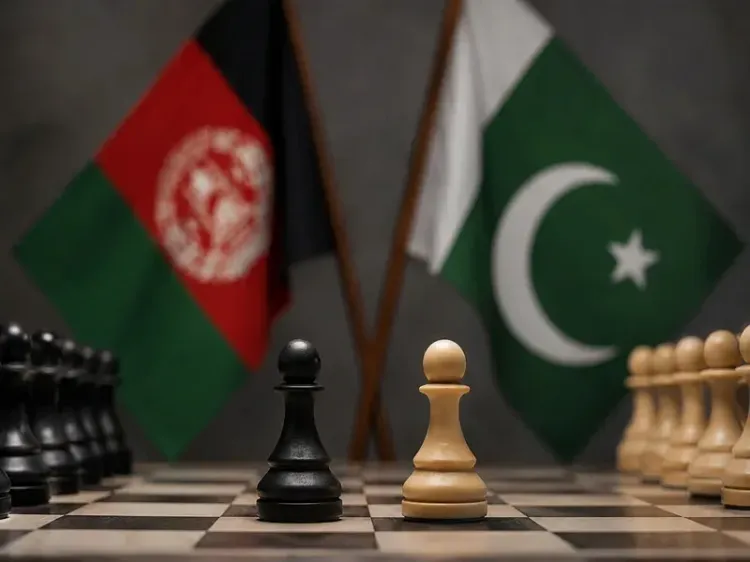
Kazakhstan has offered to host Pakistan-Afghanistan peace talks — but the offer itself exposes a glaring contradiction: Islamabad is simultaneously pursuing a mediator role between the US and Iran while conducting its most severe military campaign in decades against Kabul. With five countries already having failed to broker a ceasefire, Astana's entry underscores just how far the crisis has outpaced diplomacy.
Key Takeaways
Kazakhstan's Deputy Prime Minister Serik Zhumangarin offered on 22 June to host Pakistan-Afghanistan peace talks if formally requested by both sides.
At least five countries — including Qatar , Türkiye , Saudi Arabia , the UAE , and China — have previously attempted mediation without a durable outcome.
Pakistan has been conducting Operation Ghazab lil-Haq since February 2025 , including airstrikes on Kabul ; the Taliban has retaliated with heavy firing along the Durand Line .
Trade routes between Afghanistan and Pakistan were sealed following fierce border clashes in October 2025 , threatening Central Asia–South Asia connectivity corridors.
Pakistan simultaneously claims a mediator role between the United States and Iran , reportedly facilitating the 'Islamabad Memorandum of Understanding', drawing criticism over its credibility as a peace broker.
Kazakhstan has offered to host peace negotiations between Pakistan and Afghanistan, provided both governments formally request its mediation — a development that throws into sharp relief the contradiction at the heart of Islamabad's foreign policy, as it simultaneously pursues a mediator role between Washington and Tehran while waging what it has itself called an 'open war' against Kabul.
The offer was conveyed by Serik Zhumangarin, Kazakhstan's Deputy Prime Minister and Minister of National Economy, in remarks to an Afghan news channel on Sunday, 22 June. 'Kazakhstan's position has always been consistent: all disputes and conflicts should be resolved through dialogue. President Kassym-Jomart Tokayev has repeatedly urged the governments of Afghanistan and Pakistan to settle their differences through talks. If a formal request is made, Kazakhstan is prepared to provide the necessary platform and conditions for such discussions,' Zhumangarin said.
A Region Running Out of Mediators
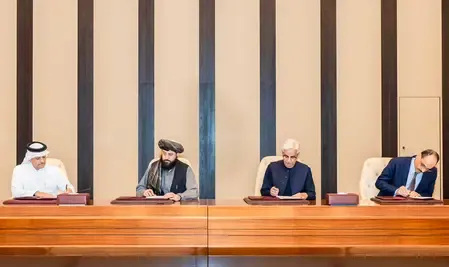
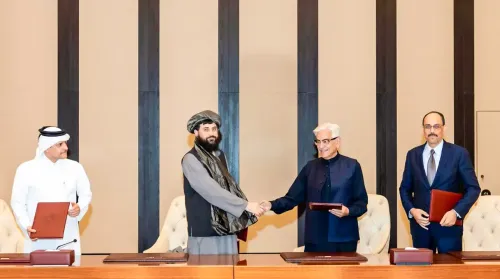
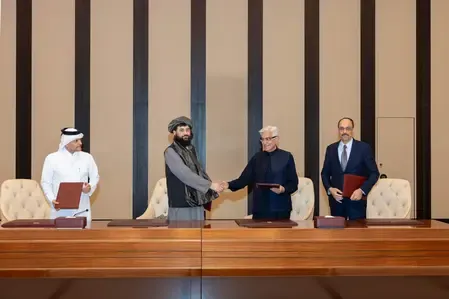
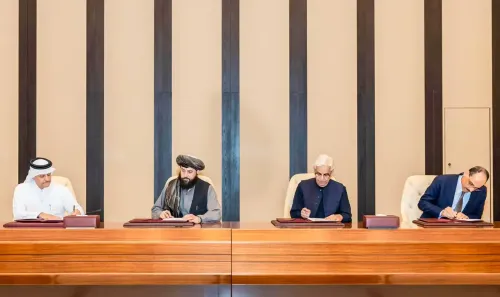
At least five countries have already attempted to broker a ceasefire between the two neighbours. Qatar, Türkiye, Saudi Arabia, and the United Arab Emirates have all hosted rounds of Afghanistan-Pakistan dialogue, none of which have produced a durable resolution. China stepped in with a high-level negotiation in Urumqi in April, followed by an informal round in Istanbul. Beijing has reportedly proposed a five-point peace initiative, but deep mutual mistrust between Kabul and Islamabad has blocked meaningful progress. The United Nations continues to engage through its mission in Afghanistan, though its influence remains limited.
How the Conflict Escalated
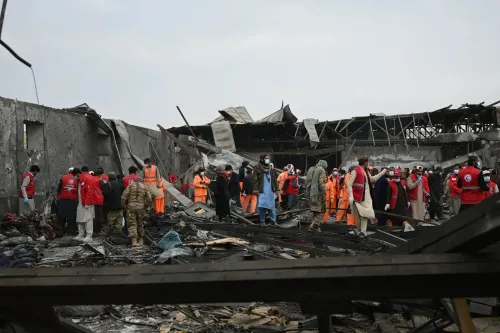
Border skirmishes along the Durand Line have recurred over the years, but fierce clashes in October 2025 marked a turning point, leading to the sealing of trade routes between the two countries. Since February 2025, Pakistan has been conducting Operation Ghazab lil-Haq, targeting alleged militant hideouts inside Afghan territory. The operation triggered Pakistani airstrikes on Kabul and Afghan retaliatory fire along the Durand Line. Even as the latest round of talks was under way in Istanbul this month, Pakistan launched fresh airstrikes inside Afghan territory, prompting Taliban retaliation with heavy firing along the border.
Each successive round of dialogue — in Doha, Istanbul, and elsewhere — has been overtaken by renewed violence, raising serious doubts about whether diplomacy can meaningfully de-escalate what has become one of the region's most intractable conflicts.
The Mutual Blame Game
Islamabad accuses Kabul of harbouring militants from the Tehreek-e-Taliban Pakistan (TTP), alleging that the group uses Afghan soil to conduct cross-border raids into Pakistan. Kabul, in turn, has alleged that ISIS operatives are active in Pakistan's border provinces and have attacked Afghan territory. This mutual attribution of blame has made confidence-building measures nearly impossible, with each side conditioning dialogue on the other's prior action.
Pakistan's Credibility Gap
The regional stakes extend beyond the two combatants. Neighbouring countries fear that sustained volatility will allow militant groups to exploit the instability and destabilise the wider region. The conflict also threatens critical connectivity corridors linking Central Asia to South Asia. With Kabul cut off from Pakistan's Karachi port, and Islamabad reliant on energy imports routed through Iran and Afghanistan, a prolonged conflict carries severe economic costs for Pakistan's already fragile economy.
This context makes Pakistan's parallel diplomatic push all the more striking. Islamabad has sought to position itself as a central broker between the United States and Iran, reportedly facilitating the 'Islamabad Memorandum of Understanding' as part of that effort. Yet critics argue that a country conducting its most severe military operations in decades against a neighbour carries a significant credibility deficit as a peace facilitator elsewhere. Kazakhstan's latest offer underscores precisely that contradiction — and signals that the region is watching.
Whether Astana can succeed where Doha, Ankara, Riyadh, Abu Dhabi, and Beijing have not will depend, above all, on whether both Islamabad and Kabul choose to formally request its mediation — a step neither has yet taken.
Point of View
And new entrants keep stepping in because the problem refuses to go away. The deeper issue is structural — neither side has faced sufficient cost to make a negotiated settlement more attractive than continued conflict, and no external actor has yet found the leverage to change that calculus.
NationPress
22 Jun 2026
Frequently Asked Questions
Why has Kazakhstan offered to mediate between Pakistan and Afghanistan?
Kazakhstan has offered to host peace talks between Pakistan and Afghanistan if both governments formally request its involvement, citing its consistent position that disputes should be resolved through dialogue. Deputy Prime Minister Serik Zhumangarin conveyed the offer on 22 June, noting that President Kassym-Jomart Tokayev has repeatedly called on both sides to negotiate.
What is Operation Ghazab lil-Haq?
Operation Ghazab lil-Haq is a Pakistani military campaign launched in February 2025, targeting alleged Tehreek-e-Taliban Pakistan (TTP) militant hideouts inside Afghan territory. It has involved airstrikes on Kabul and triggered Taliban retaliatory fire along the Durand Line, significantly escalating the Pakistan-Afghanistan conflict.
Which countries have already tried to mediate between Pakistan and Afghanistan?
At least five countries have attempted mediation: Qatar, Türkiye, Saudi Arabia, the United Arab Emirates, and China. China hosted a high-level negotiation in Urumqi in April and an informal round in Istanbul, and has reportedly proposed a five-point peace initiative, but mutual mistrust has prevented progress.
Why is Pakistan's role as a mediator seen as contradictory?
Pakistan is simultaneously pursuing a mediator role between the United States and Iran — reportedly facilitating the 'Islamabad Memorandum of Understanding' — while waging what it has itself called an 'open war' against Afghanistan. Critics argue this credibility gap undermines Islamabad's legitimacy as a peace facilitator in any conflict.
What are the economic consequences of the Pakistan-Afghanistan conflict?
The conflict has sealed trade routes between the two countries since October 2025, cutting Kabul off from Pakistan's Karachi port and threatening connectivity corridors linking Central Asia to South Asia. Pakistan's reliance on energy imports routed through Iran and Afghanistan makes a prolonged conflict particularly damaging for its already fragile economy.