Khalistani separatists face growing Canadian public backlash, survey shows
Synopsis
A 2025 Leger survey reveals that 54% of Canadian Sikhs oppose Khalistani separatist activities and 72% want stricter curbs on foreign separatist agendas — yet the SFJ's performative referendums continue to drive temple vandalism, diplomat threats, and diplomatic friction between Ottawa and New Delhi. The data exposes a widening gap between a vocal fringe and the broader Sikh diaspora it claims to represent.
Key Takeaways
Khalistan 'referendums' by Sikhs for Justice (SFJ) have no legal standing in India and no impact on its territorial integrity.
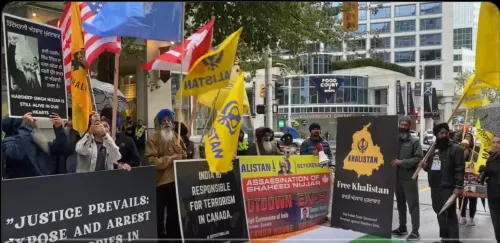
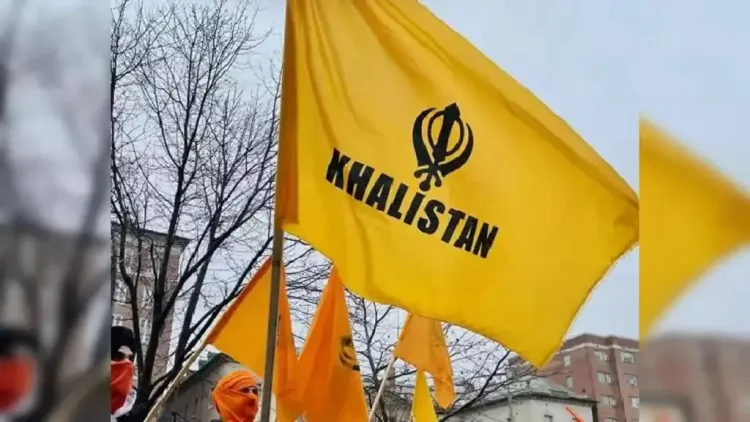
Separatist activities in Surrey and Brampton have been accompanied by Hindu temple vandalism and threats against Indian diplomats .
A 2025 Leger survey found 54% of Canadian Sikhs oppose Khalistani separatist activities; 72% support stricter measures against foreign separatist agendas.
The 2023 killing of Hardeep Singh Nijjar triggered a prolonged Canada-India diplomatic crisis that has not fully resolved.
Relations are being cautiously reset under PM Mark Carney , with a proposed Comprehensive Economic Partnership Agreement (CEPA) as a key driver.
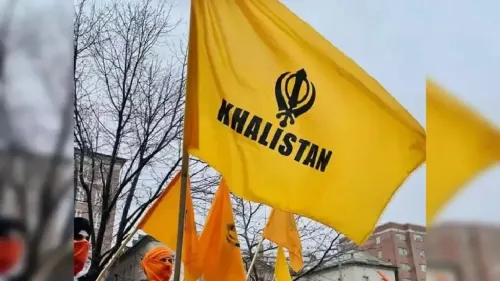
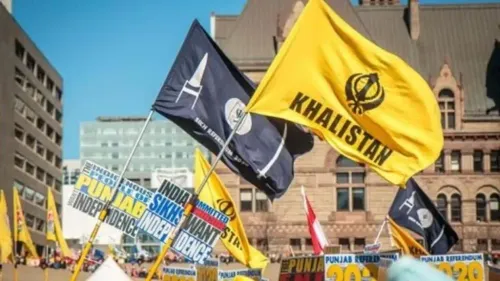
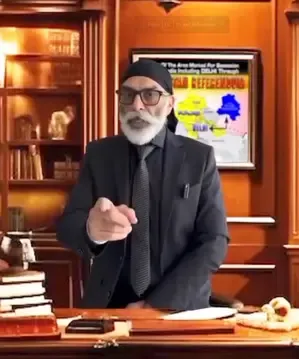
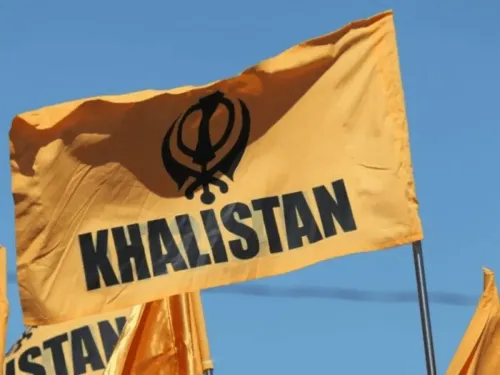
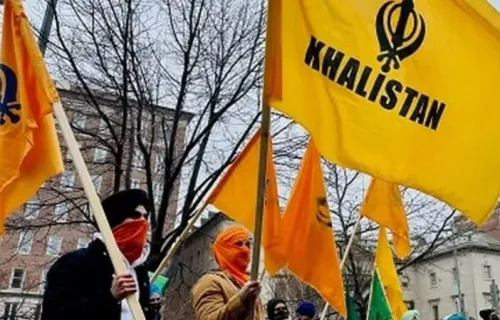
The so-called Khalistan 'referendums' staged in Canada by the designated terror outfit Sikhs for Justice (SFJ) carry no legal weight under Indian law and have no bearing on India's territorial integrity — yet they continue to generate real-world disorder on Canadian streets, according to a report by Khalsa Vox.
Pattern of Incidents on Canadian Streets
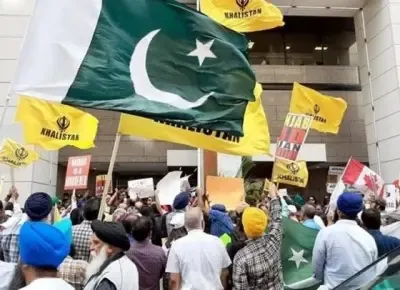
In cities such as Surrey and Brampton, separatist activities have been accompanied by vandalism at Hindu temples, threats directed at Indian diplomats, and escalating security concerns. Police have reportedly issued formal warnings that the lives of certain activists could be at risk, underscoring the tangible consequences of what critics describe as performative political theatre.
Notably, the 2023 killing of pro-Khalistan figure Hardeep Singh Nijjar set off a prolonged diplomatic crisis between Ottawa and New Delhi — one whose aftershocks have not fully dissipated even as bilateral ties are being gradually rebuilt.
Canada-India Relations: A Cautious Reset
Relations between the two countries are reportedly being restored under Canadian Prime Minister Mark Carney, driven by pragmatic considerations including trade, energy cooperation, and a proposed Comprehensive Economic Partnership Agreement (CEPA). However, the underlying tensions from the earlier period remain, according to the Khalsa Vox report. The reset reflects both governments' recognition that the bilateral relationship is too consequential — particularly given India's growing role as an Indo-Pacific partner — to remain hostage to a fringe political dispute.
Survey Data: Most Canadian Sikhs Oppose Separatism
A Leger survey conducted in early 2025 found that the Khalistani separatist movement commands support from only a small section of Canadian Sikhs. According to the data, 54 per cent of Canadian Sikhs opposed separatist activities, while 72 per cent backed stricter measures to prevent foreign separatist agendas from being organised on Canadian soil. A further 37 per cent expressed strong opposition to the movement.
The Khalsa Vox report was direct in its assessment: 'Canadians are not obliged to host, or indefinitely tolerate, a foreign political project that imports India's internal security problems onto their soil. The majority of Sikhs in Canada are not separatists; the movement has long been a vocal minority.'
Public Frustration and Policy Implications
The report argued that treating the separatist minority as 'politically untouchable' carries measurable costs — strained bilateral ties with a major partner, recurring security incidents, and what it described as 'the quiet resentment of ordinary Canadians who watch foreign flags and secessionist slogans dominate local streets.'
It added: 'Large numbers of their citizens have simply had enough of this particular nonsense. They do not want their communities used as a stage for someone else's unresolved conflict, nor do they wish to see foreign policy subordinated to the loudest diaspora faction.'
This comes amid broader global scrutiny of how liberal democracies manage diaspora-driven political movements that intersect with foreign policy and domestic security. As the CEPA negotiations progress, how Ottawa handles the separatist question is likely to remain a defining variable in the trajectory of Canada-India relations.
Point of View
And they are being under-reported: a clear majority of Canadian Sikhs actively oppose the movement that claims to speak for them. Ottawa's reluctance to act decisively against SFJ is therefore not a defence of community sentiment — it is a capitulation to a loud minority at the cost of a strategically important bilateral relationship. The CEPA framework gives Canada a concrete incentive to recalibrate, but trade incentives alone rarely override domestic political caution. The real question is whether Canadian policymakers will let survey data and security incidents accumulate until the political cost of inaction exceeds the cost of confronting a well-organised fringe.
NationPress
7 Nov 2026
Frequently Asked Questions
Do Khalistan referendums in Canada have any legal validity in India?
No. The Khalistan referendums organised in Canada by Sikhs for Justice (SFJ) have no legal standing under Indian law and no bearing on India's territorial integrity. Indian authorities and successive governments have consistently dismissed them as political theatre with no constitutional or international legal consequence.
What does the 2025 Leger survey say about Canadian Sikh views on Khalistan?
The early-2025 Leger survey found that only a small section of Canadian Sikhs support Khalistani separatist activities. Some 54% opposed them, 72% backed stricter government measures to curb foreign separatist agendas on Canadian soil, and 37% expressed strong opposition to the movement.
How did the killing of Hardeep Singh Nijjar affect Canada-India relations?
The 2023 killing of pro-Khalistan figure Hardeep Singh Nijjar triggered a prolonged diplomatic crisis between Ottawa and New Delhi, including expulsion of diplomats and a sharp deterioration in bilateral ties. Relations are now being cautiously restored under Prime Minister Mark Carney, though underlying tensions have not fully subsided.
What incidents have accompanied Khalistani activities in Canadian cities?
In cities such as Surrey and Brampton, separatist activities have been linked to vandalism at Hindu temples, threats directed at Indian diplomats, and escalating security concerns. Police have reportedly issued formal warnings that certain activists face risks to their lives.
What is the Comprehensive Economic Partnership Agreement between Canada and India?
The Comprehensive Economic Partnership Agreement (CEPA) is a proposed bilateral trade and economic cooperation framework between Canada and India. It is one of the pragmatic drivers — alongside trade and energy cooperation — cited for the gradual restoration of Canada-India relations under Prime Minister Mark Carney.