Pakistan LNG supply risk: Hormuz threat spurs energy security push
Synopsis
Pakistan sources nearly all its LNG from Qatar and the UAE — two suppliers entirely dependent on Hormuz transit. With Middle East tensions reshaping global energy maps in real time, a new report warns Islamabad to urgently diversify or face severe electricity and industrial cost shocks. The vulnerability is stark, and the policy window is narrowing.
Key Takeaways
Pakistan is among the world's most vulnerable nations to LNG supply disruptions from a potential Strait of Hormuz closure, according to a Dawn report.
Qatar and the UAE supply approximately 99 per cent of Pakistan's LNG imports, used for power, fertilisers, and industry.
LNG accounts for around 30 per cent of Pakistan's total gas supply.
The report recommends accelerated deployment of utility-scale solar, wind, rooftop solar , and investment in energy storage .
Policymakers are exploring coal, hydropower , and nuclear energy as LNG alternatives amid rising geopolitical risk.
Fuel price volatility and shipping uncertainty could significantly raise electricity generation costs if disruptions materialise.
Pakistan is among the countries most exposed to liquefied natural gas (LNG) supply disruptions if the Strait of Hormuz were to be closed or restricted, according to a report published by Dawn. The analysis warns that the country must urgently accelerate investment in renewable energy, coal, and domestic energy infrastructure to shore up long-term energy security.
How dependent is Pakistan on LNG?
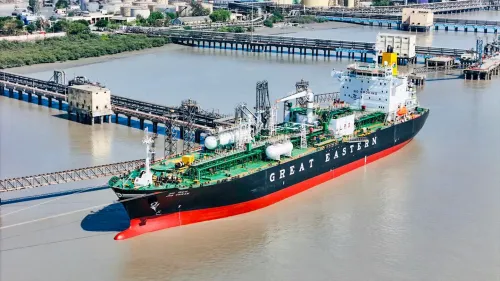
Qatar and the United Arab Emirates (UAE) together account for approximately 99 per cent of Pakistan's LNG imports, which are used primarily for power generation, fertiliser production, and industrial consumption. LNG currently supplies around 30 per cent of the country's total gas needs — a concentration that leaves Islamabad acutely sensitive to any disruption along Middle Eastern shipping corridors.
The Hormuz Flashpoint
Rising tensions in the Middle East — involving Iran, the United States, and Israel — have placed the Strait of Hormuz under renewed scrutiny as a global energy chokepoint. According to the report, a conflict that reportedly began in February has already redrawn global energy trade patterns in real time, exposing structural vulnerabilities in LNG-dependent economies across Asia.
'The Middle East's fluid landscape — as demonstrated by the conflict involving Israel, the United States and Iran which began in February and the resultant bottleneck in the Strait of Hormuz — has redrawn global energy maps in real time and further highlighted the geopolitical sensitivity of gas and LNG markets,' the report stated.
What the Report Recommends
The report calls for faster deployment of utility-scale solar and wind projects, expansion of rooftop solar installations, and greater investment in energy storage technologies. It also highlights the need for long-term infrastructure investments including gas storage facilities, flexible power generation systems, and enhanced operating reserves to improve grid resilience during supply shocks.
For Pakistan specifically, policymakers are reportedly placing greater emphasis on alternative energy sources including coal, hydropower, and nuclear energy as substitutes for LNG. The report cautioned that fuel price volatility and shipping uncertainties could significantly increase electricity generation costs if the Hormuz situation deteriorates further.
Asia-Wide Reassessment Underway
Pakistan's predicament is part of a broader regional rethink. Policymakers across Asia are reportedly reassessing strategies to safeguard energy and power systems amid growing geopolitical uncertainty, with the Hormuz pressure serving as a catalyst for accelerated diversification plans that many governments had previously delayed. This comes amid a wider global reconfiguration of LNG trade flows as buyers seek to reduce single-corridor dependence.
The pace at which Pakistan translates these recommendations into funded, executable projects will determine whether the country can meaningfully reduce its vulnerability before the next supply shock arrives.
Point of View
Because any Hormuz disruption would spike electricity generation costs at a time when Pakistan's economy can least afford it. The report's renewable energy prescriptions are sensible, but Pakistan has a long history of commissioning studies and stalling on execution. The harder question — whether Islamabad has the fiscal space and institutional capacity to fast-track storage and grid infrastructure simultaneously — goes largely unaddressed. Asian LNG importers broadly face this reckoning, but few are as exposed or as financially constrained as Pakistan.
NationPress
19 Sept 2026
Frequently Asked Questions
Why is Pakistan so vulnerable to LNG supply disruptions?
Pakistan sources approximately 99 per cent of its LNG from Qatar and the UAE, both of which depend on the Strait of Hormuz for export transit. Any closure or restriction of the strait would directly cut off the fuel that supplies around 30 per cent of Pakistan's total gas and powers much of its electricity grid and fertiliser industry.
What is the Strait of Hormuz and why does it matter for energy?
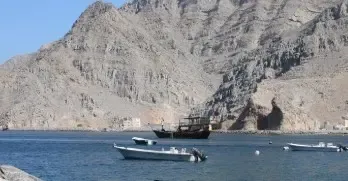
The Strait of Hormuz is a narrow waterway between Iran and Oman through which a significant share of the world's LNG and crude oil shipments pass. Tensions involving Iran, the US, and Israel have raised concerns about potential disruptions to this chokepoint, which would affect energy supplies to multiple Asian nations including Pakistan.
What does the report recommend Pakistan do to improve energy security?
The report recommends faster deployment of utility-scale solar and wind projects, expanded rooftop solar installations, and greater investment in energy storage technologies. It also calls for long-term infrastructure such as gas storage facilities, flexible power systems, and enhanced grid reserves to withstand supply shocks.
Which alternative energy sources is Pakistan considering to reduce LNG dependence?
Pakistani policymakers are reportedly placing greater emphasis on coal, hydropower, and nuclear energy as alternatives to LNG. These diversification steps are being driven by the recognition that Hormuz-linked supply risks could significantly increase electricity generation costs.
How do Middle East tensions affect global LNG markets?
Escalating tensions involving Iran, the US, and Israel have put pressure on the Strait of Hormuz, through which much of the world's LNG transits. According to the report, this has already reshaped global energy trade patterns and exposed supply vulnerabilities, prompting Asian policymakers to reassess their energy security strategies.