Mahrang Baloch life sentence signals Pakistan's crackdown on Baloch rights activism
Synopsis
An Anti-Terrorism Court in Quetta sentenced Baloch rights leader Mahrang Baloch to life imprisonment after a trial her own lawyers and co-accused boycotted as 'faceless.' The UN Special Rapporteur has called the conviction unjust and cited abuse of anti-terrorism laws — a verdict that analysts say could deepen Balochistan's insurgency rather than contain it.
Key Takeaways
Mahrang Baloch and BYC leader Sibghatullah Shah were sentenced to life imprisonment by an Anti-Terrorism Court in Quetta on 22 June .
The conviction relates to the death of FC trooper Shabbir Baloch during the Baloch National Gathering in July 2024 .
The accused and their lawyers boycotted proceedings, calling it a 'faceless trial'; government-appointed lawyers were also refused.
UN Special Rapporteur Andrea Bolanos Vargas cited denial of fair trial, abuse of anti-terrorism laws, and criminalisation of peaceful assembly, urging the superior judiciary to overturn the sentences.
Mahrang Baloch has been in detention since 2025 ; her activism stems from her father's alleged enforced disappearance in 2009 and brother's reported detention in 2017 .
Analysts warn the verdict could aggravate Balochistan's longstanding insurgency by eroding trust in constitutional dissent.
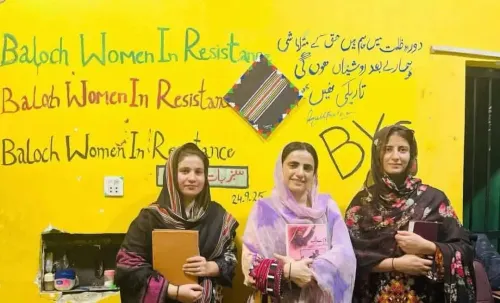
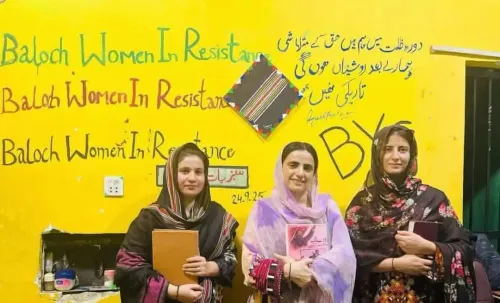
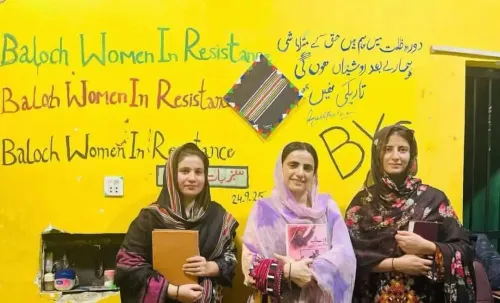
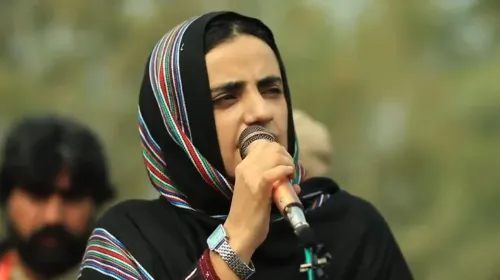
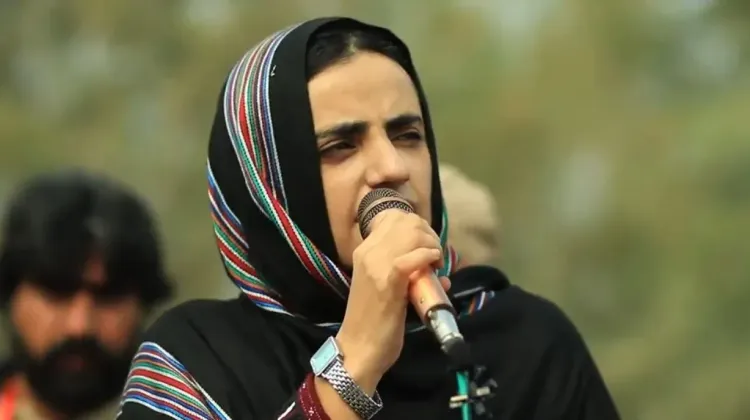
Mahrang Baloch, founder of the Baloch Yakjehti Committee (BYC), has been sentenced to life imprisonment by an Anti-Terrorism Court (ATC) in Quetta, in a verdict that analysts say marks a sharp deterioration in Pakistan's engagement with Baloch rights activism. The sentencing, delivered on 22 June, is expected to deepen mistrust between the Baloch people and the Pakistani state, according to a report by Sri Lanka Guardian.
The Verdict and Its Circumstances
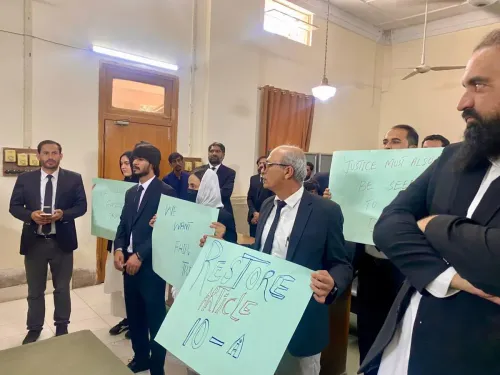
ATC-I Judge Muhammad Ali Mubeen pronounced the life sentence against Mahrang Baloch and BYC leader Sibghatullah Shah, holding them responsible for the death of Frontier Corps (FC) trooper Shabbir Baloch, who allegedly suffered fatal injuries after being struck by stones thrown during the Baloch National Gathering in July 2024. The accused, their fellow detained BYC members, and their lawyers boycotted the proceedings entirely, describing them as a 'faceless trial.'
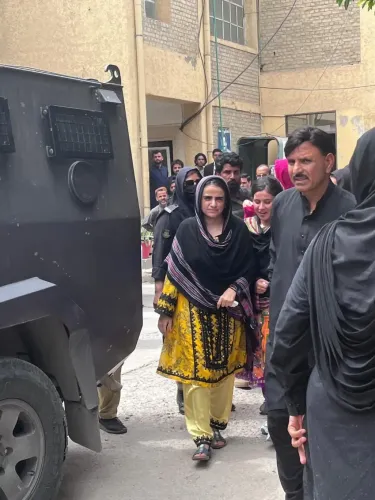
According to Mahrang Baloch's lawyer, Israr Jattak, the charges stem from allegations that participants at the gathering threw stones that injured the trooper. Since 12 June, Mahrang Baloch and other detained BYC leaders have conducted sit-ins inside Hudda District Jail in Quetta, demanding an open trial and the right to legal representation of their own choosing. The accused refused to accept lawyers appointed by the government.
Reactions From Family, BYC, and Legal Community
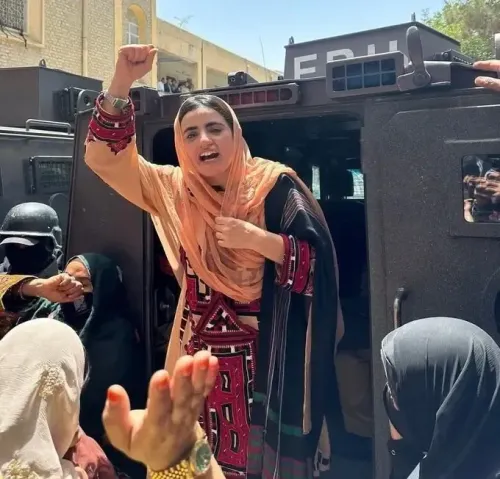
Mahrang Baloch's sister, Advocate Nadia Baloch, rejected the verdict outright, calling it the product of a 'faceless court.' The BYC condemned the judgement as evidence of what it described as the Pakistani state's hostility toward the Baloch people, warning that the ruling would trigger what it termed a 'historic phase of resistance and struggle.'
Critics argue that the use of anti-terrorism legislation against activists who organised a peaceful public gathering sets a dangerous precedent for civil society across Pakistan.
Mahrang Baloch's Background and Activism
Mahrang Baloch has been in detention since 2025. Her activism was shaped by personal loss: her father, Abdul Gaffar Langove, a left-wing political activist, was allegedly subjected to enforced disappearance in 2009, and his body was recovered in Lasbela District three years later. Her brother was reportedly detained by Pakistani security forces in 2017 and held for nearly three months, during which he was allegedly tortured, according to reports.
These experiences drove her to lead campaigns against enforced disappearances and extrajudicial killings in Balochistan. She was the chief organiser of the Baloch National Gathering held in Gwadar in 2024, which focused on enforced disappearances and resource exploitation. She was arrested in 2025 while leading a protest in Quetta following the burial of 13 unclaimed bodies, which demonstrators believed were victims of enforced disappearances.
UN Special Rapporteur Raises Alarm
UN Special Rapporteur on the situation of human rights defenders, Andrea Bolanos Vargas, has expressed grave concern over the life sentences, calling on Pakistan's superior judiciary to overturn what she described as 'unjust convictions.' She cited multiple alleged violations during the proceedings, including denial of fair trial and due process, abuse of anti-terrorism laws, criminalisation of peaceful assembly, and double punishment for the same act.
In a post on X, Vargas stated: 'I express grave concern regarding life sentences imposed on WHRD Mahrang Baloch and Sibghatullah Shah, leaders of the Baloch Yakjehti Committee, by the Anti-Terrorism Court in Quetta in a secret trial... I urge the superior judiciary to overturn manifestly unjust convictions.'
Broader Implications for Balochistan
Analysts warn that the verdict risks further aggravating the longstanding insurgency in Balochistan by alienating moderate voices who had pursued constitutional and non-violent means of dissent. This comes amid persistent international scrutiny of human rights conditions in the province. Whether Pakistan's higher courts take up the case on appeal will be closely watched by rights groups and regional observers alike.
Point of View
Combined with the UN Special Rapporteur's intervention, strips the verdict of any credibility it might claim. More consequentially, it removes one of the few Baloch voices that had channelled grievances through protest rather than armed resistance. If Pakistan's superior courts do not intervene, the state will have effectively closed the constitutional door on peaceful Baloch activism, leaving a vacuum that harder factions will be eager to fill.
NationPress
28 Jun 2026
Frequently Asked Questions
Why was Mahrang Baloch sentenced to life imprisonment?
An Anti-Terrorism Court in Quetta convicted Mahrang Baloch and BYC leader Sibghatullah Shah on 22 June over the death of Frontier Corps trooper Shabbir Baloch, who allegedly suffered fatal injuries from stones thrown during the Baloch National Gathering in July 2024. The accused denied the charges and boycotted the trial as unfair.
What is the Baloch Yakjehti Committee (BYC)?
The Baloch Yakjehti Committee is a civil society organisation founded by Mahrang Baloch that campaigns against enforced disappearances and extrajudicial killings in Balochistan. It organised the Baloch National Gathering in Gwadar in 2024, one of the largest such assemblies in recent years.
What concerns has the United Nations raised about this verdict?
UN Special Rapporteur Andrea Bolanos Vargas called the convictions unjust and urged Pakistan's superior judiciary to overturn them. She identified violations including denial of fair trial, abuse of anti-terrorism laws, criminalisation of peaceful assembly, and double punishment for the same act.
What was the 'faceless trial' objection raised by the accused?
Mahrang Baloch, co-accused BYC members, and their lawyers boycotted the proceedings, arguing the trial lacked transparency and denied them the right to legal representation of their own choosing. They also rejected government-appointed lawyers, calling the entire process a 'faceless court.'
What is the broader impact of this verdict on Balochistan?
Analysts warn the sentence is likely to deepen mistrust between the Baloch people and the Pakistani state, potentially aggravating the longstanding insurgency in the province. By targeting a leader who pursued constitutional and non-violent dissent, the verdict may discourage moderate activism and harden divisions.