Trump warns US military action against Iran may not be over
Synopsis
Trump has kept the door open to further US military strikes on Iran even as the Strait of Hormuz has reopened — ruling out any diplomatic talks and claiming Iran is ‘in deep trouble.’ With no conditions set for engagement and Russia receiving only cautious praise, Washington’s Iran posture remains maximally ambiguous and the Gulf’s security outlook stays on edge.
Key Takeaways
President Donald Trump warned on 28 August that US military action against Iran may not be over.
Trump ruled out immediate diplomatic talks with Tehran , saying ‘we are not looking to meet or anything.’ He claimed Iran has ‘very little capacity’ and is struggling to pay its troops, though he cited no specific evidence.
The reopening of the Strait of Hormuz was acknowledged but Trump explicitly said it does not signal an end to military operations.
On Russia , Trump said Moscow had ‘behaved quite well’ regarding the strait but gave no details on any commitments received.
The Strait of Hormuz is one of the world’s most critical energy routes, carrying oil and LNG from major Gulf producers to global markets.
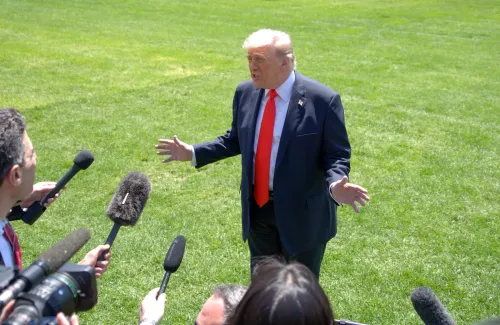
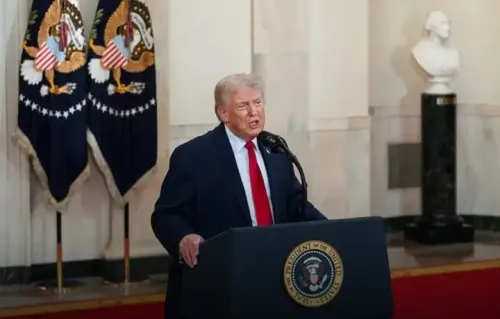
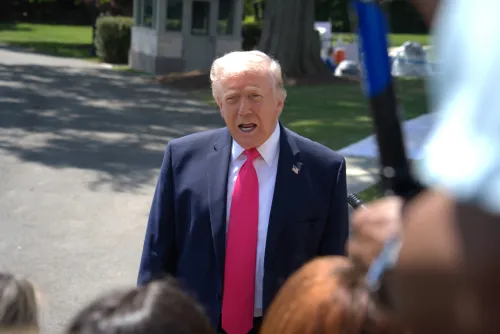
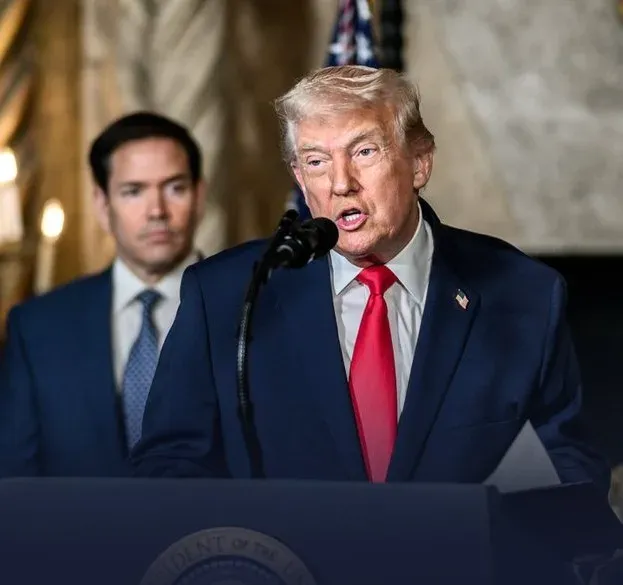
US President Donald Trump on 28 August declared that American military action against Iran may not be finished, ruling out immediate diplomatic talks with Tehran and asserting that Iran has been left with severely limited capacity following recent confrontations. The remarks, made to reporters at the White House, signal that Washington is keeping all options on the table despite the reopening of the Strait of Hormuz.
Trump's Warning on Further Military Action
Speaking directly to reporters, Trump said the reopening of the strategically critical waterway should not be read as a signal that US military operations had concluded. “The strait of Ormuz is open, it doesn’t mean we finished with the military,” Trump said. He did not specify what conditions might trigger additional strikes or operations, nor did he identify any Iranian units, facilities, or capabilities he was referring to.
Trump also painted a picture of an Iran under severe strain. “They’re not paying their troops. They’re in deep trouble,” he said, claiming the country faces mounting economic and military pressure. He did not provide independent verification or cite specific intelligence to support those claims.
No Talks with Tehran on the Horizon
The president flatly dismissed any prospect of near-term negotiations with Iranian officials. “There’s not a lot to speak with Iran, we are not looking to meet or anything, the strait is open,” Trump said. His remarks represented a firm public posture against diplomacy, even as the reopening of the Strait of Hormuz had raised speculation in some quarters about a possible de-escalation track.
Notably, Trump did not outline any conditions under which the United States would agree to engage with Iranian representatives, leaving the diplomatic door firmly shut for now.
Russia's Role: Cautious Praise, No Commitments
Trump was also questioned about whether Russia would face consequences if Moscow failed to distance itself from Tehran. His response was measured. “It depends, I think Russia has behaved quite well — so far regarding the Strait of Ormuz,” he said. He did not elaborate on what specific steps Russia had taken, whether Washington had received any formal commitments from Moscow, or whether his positive assessment extended to broader areas of Russian-Iranian cooperation.
Why the Strait of Hormuz Matters
The Strait of Hormuz, situated between Iran and Oman, connects the Persian Gulf with the Gulf of Oman and the Arabian Sea. It is among the world’s most critical energy chokepoints, channelling oil and liquefied natural gas from major Gulf producers — including Saudi Arabia, the UAE, and Kuwait — to global markets. Any disruption to shipping through the strait has immediate consequences for international energy prices and supply chains.
Trump acknowledged the reopening of the strait as a significant development but stopped short of declaring the broader crisis resolved, underscoring the continued uncertainty over the region’s security.
What Comes Next
Trump’s administration has consistently combined military pressure, economic sanctions, and the threat of further action in its Iran policy. His latest comments suggest that posture remains unchanged. With no diplomatic framework in sight and the threat of additional military action left deliberately open, the situation in the Gulf remains volatile. Analysts and energy markets will be watching closely for any further US military movements or Iranian responses in the days ahead.
Point of View
War not declared over, talks ruled out — is a pressure-maintenance strategy rather than a policy endpoint. What is missing from his public remarks is any articulation of what Iran must do to avoid further strikes, which makes de-escalation structurally difficult. The soft praise for Russia is equally telling: Washington appears to be using Moscow as an informal back-channel moderator in the Gulf, a role that carries its own risks given Russia’s deep economic and military ties with Tehran. Mainstream coverage has focused on the strait reopening as a win; the harder question — whether the US has a defined end-state for its Iran campaign — remains unanswered.
NationPress
28 Aug 2026
Frequently Asked Questions
Has the US finished its military action against Iran?
Not according to President Trump. On 28 August, Trump explicitly stated that the reopening of the Strait of Hormuz does not mean US military operations against Iran are over, leaving the possibility of further action open.
Why is Trump ruling out talks with Iran?
Trump dismissed immediate diplomatic engagement, saying there is ‘not a lot to speak with Iran’ and that Washington is not seeking a meeting. He did not set out any conditions under which the US would agree to negotiate with Iranian officials.
What did Trump say about Iran’s current condition?
Trump claimed Iran is ‘in deep trouble,’ alleging the country is unable to pay its troops and has very limited military and economic capacity. He did not provide independent evidence or cite specific intelligence to support these assertions.
What is the Strait of Hormuz and why does it matter?
The Strait of Hormuz lies between Iran and Oman and is one of the world’s most important energy chokepoints, through which oil and liquefied natural gas from Saudi Arabia, the UAE, Kuwait, and other Gulf producers flow to international markets. Any closure or disruption directly impacts global energy prices.
What role is Russia playing in the US-Iran standoff?
Trump said Russia had ‘behaved quite well’ regarding the Strait of Hormuz but gave no specifics on what steps Moscow had taken or whether any formal commitments had been received. He also did not clarify whether his positive assessment extended to other areas of Russian-Iranian cooperation.