PM Modi meets Tajikistan, Laos presidents at SCO Summit in Bishkek
Synopsis
On the sidelines of the SCO Summit in Bishkek, PM Modi held back-to-back meetings with the presidents of Laos and Tajikistan — and used his address to the 26-nation bloc to deliver one of India's sharpest public warnings yet against state-sponsored terrorism, calling out 'double standards' with no ambiguity about who the message was for.
Key Takeaways
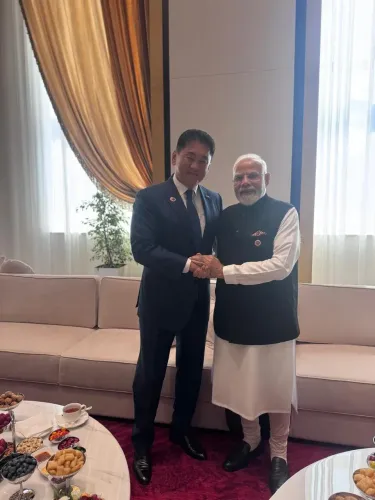
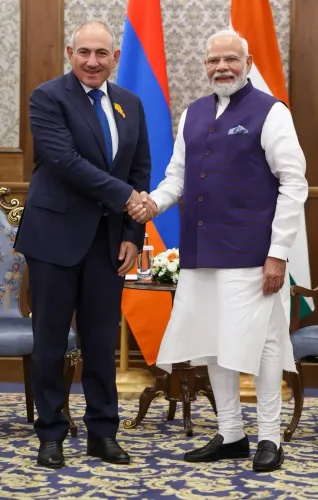
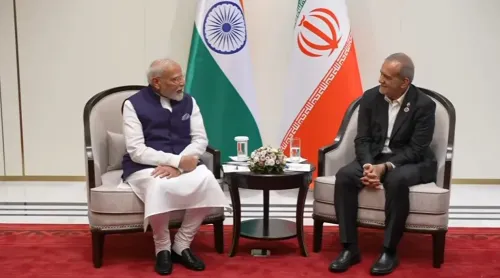
PM Modi met Laos President Thongloun Sisoulith and Tajikistan President Emomali Rahmon on 1 September in Bishkek .
Both meetings focused on boosting bilateral cooperation across sectors; Modi shared remarks on X after each meeting.
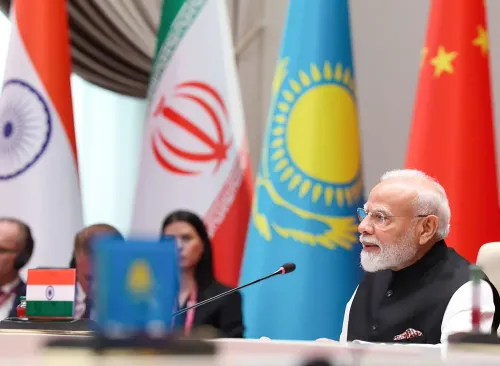
At the 26th SCO Summit , Modi called for all conflicts — including the West Asia crisis — to be resolved through dialogue and diplomacy, not war.
Modi demanded the dismantling of the 'entire ecosystem' of terrorist financing, recruitment, radicalisation, and safe havens , warning against double standards.
He flagged drug trafficking as a major threat and welcomed new SCO centres to tackle security challenges, organised crime, and narcotics.
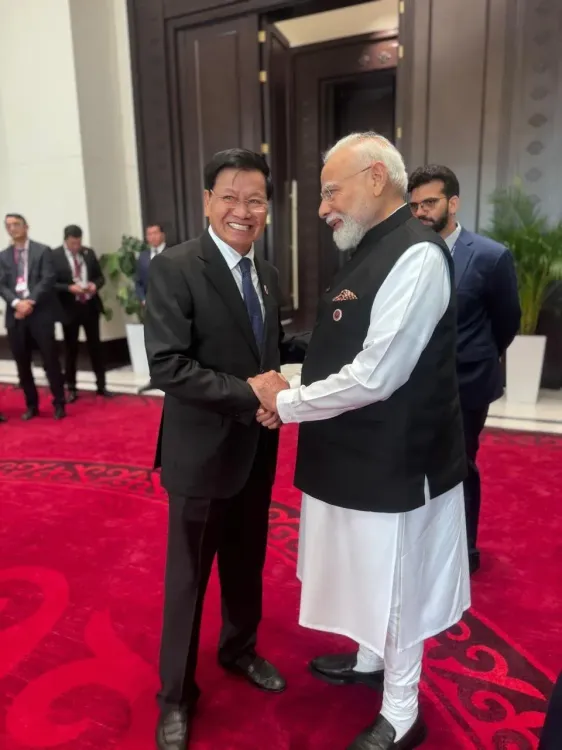
Prime Minister Narendra Modi held bilateral meetings with Laos President Thongloun Sisoulith and Tajikistan President Emomali Rahmon on the sidelines of the 26th Shanghai Cooperation Organisation (SCO) Summit in Bishkek, Kyrgyzstan on 1 September, focusing on deepening bilateral cooperation across multiple sectors.
Key Bilateral Meetings
Modi met President Thongloun Sisoulith of Lao PDR and described the exchange as a 'great conversation on boosting bilateral linkages between our nations,' posting his remarks on X. Shortly after, he met Emomali Rahmon of Tajikistan, with India expressing readiness to strengthen cooperation across diverse sectors. 'India looks forward to boosting cooperation with Tajikistan across diverse sectors,' Modi said in his post on X.
India's Stance at the SCO Summit
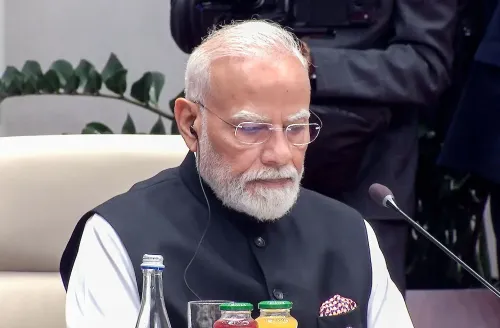
Earlier on 1 September, Modi addressed the 26th Meeting of the Council of Heads of State of the SCO, reiterating India's long-held position that conflicts must be resolved through dialogue and diplomacy rather than warfare. He drew attention to the ongoing crisis in West Asia, warning that regional conflicts have far-reaching consequences. 'The crisis in West Asia has shown that conflict in one region is not confined to that region. It impacts the entire world's energy security, maritime trade, and supply chains. Countries in the Global South bear the brunt of this,' Modi said.
India's Counter-Terror Message
Modi used the SCO platform to press for a unified global front against terrorism, calling for the dismantling of the 'entire ecosystem of terrorist financing, recruitment, radicalisation, and safe havens.' He was unequivocal that no double standards could be tolerated on the issue. 'Those countries which make terrorism a tool of their policy, provide shelter and support to terrorists, will have to be given a strong message that terrorism cannot be a strategic asset for anyone,' he said — remarks widely seen as directed at Pakistan, a fellow SCO member.
Drug Trafficking and Regional Security
The Prime Minister also flagged drug trafficking as a serious threat to the younger generation and to regional stability. He welcomed the establishment of new SCO centres to address security threats, organised crime, information security, and narcotics, calling them a 'positive step' while urging that they be made 'effective instruments of practical coordination and timely action.'
What Comes Next
The bilateral conversations with Tajikistan and Laos are expected to be followed up through diplomatic channels, with sector-specific cooperation frameworks likely to be formalised in the coming months. India's assertive messaging on terrorism and dialogue at the SCO signals a continued effort to shape the bloc's agenda in line with New Delhi's strategic priorities.
Point of View
But the real test is whether SCO members beyond the immediate India-Pakistan dynamic are willing to adopt enforceable counter-terror language. The bilateral meetings with Laos and Tajikistan, meanwhile, reflect India's broader push to deepen its footprint in Central and Southeast Asia — regions where China's Belt and Road presence is substantial and India is playing a long game through connectivity and soft diplomacy.
NationPress
17 Oct 2026
Frequently Asked Questions
Which leaders did PM Modi meet at the SCO Summit in Bishkek?
PM Modi met Laos President Thongloun Sisoulith and Tajikistan President Emomali Rahmon on the sidelines of the 26th SCO Summit in Bishkek on 1 September. Both meetings centred on strengthening bilateral ties and expanding cooperation across sectors.
What did PM Modi say about terrorism at the SCO Summit?
Modi called for the dismantling of the 'entire ecosystem of terrorist financing, recruitment, radicalisation, and safe havens,' and said there can be no double standards on terrorism. He warned that countries using terrorism as a policy tool must receive a strong collective message from the international community.
What is the SCO Summit and why does it matter for India?
The Shanghai Cooperation Organisation (SCO) is a Eurasian political, economic, and security alliance. India joined as a full member in 2017, and the bloc includes China, Pakistan, Russia, and Central Asian states — making it a key platform for India to advance its diplomatic and security agenda in the region.
What did Modi say about the West Asia crisis at the SCO?
Modi stated that the West Asia crisis demonstrates how regional conflicts affect global energy security, maritime trade, and supply chains, with countries in the Global South bearing the heaviest burden. He reiterated India's call for all tensions and wars to be resolved through dialogue and diplomacy.
What did PM Modi say about drug trafficking at the SCO Summit?
Modi flagged drug trafficking as a serious threat to the younger generation and to regional security. He welcomed new SCO centres being set up to address narcotics, organised crime, and information security, calling them a 'positive step' and urging that they become effective tools for practical coordination.