Modi tells Xi India-China must respect each other's core concerns: MEA
Synopsis
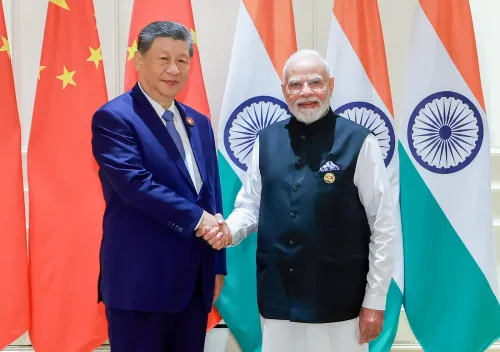
PM Modi's bilateral with Xi Jinping at the BRICS Summit in New Delhi wasn't just diplomatic theatre — it was a calibrated messaging exercise. As China's readout highlighted Indian assurances on Taiwan and Tibet, India's counter was equally pointed: both sides must be sensitive to each other's core concerns. The 'three mutuals' formula signals a new rhetorical framework for managing the world's most consequential bilateral rivalry.
Key Takeaways
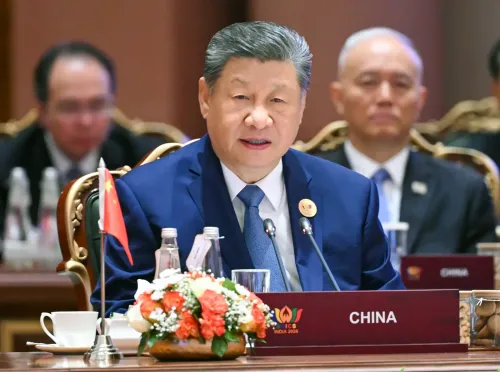
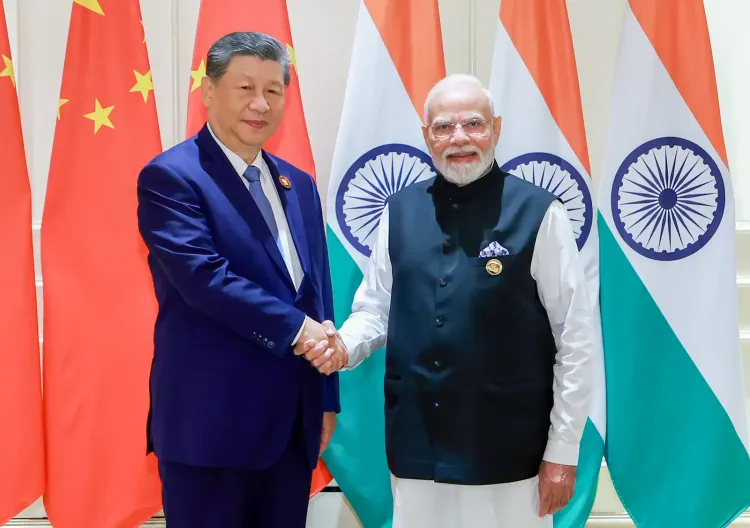
PM Narendra Modi met Chinese President Xi Jinping on 12 September 2025 on the sidelines of the 18th BRICS Summit in New Delhi .
Modi stressed India and China must be guided by the 'three mutuals': mutual respect , mutual interest , and mutual sensitivity .
The MEA confirmed Modi raised Indian concerns in response to Beijing's readout, which referenced India's position on Taiwan and Tibet .
The leaders reaffirmed that differences should not become disputes and called for a long-term strategic perspective on bilateral ties.
Border peace, structural trade imbalance , supply chain issues, and people-to-people exchanges were all discussed.
External Affairs Minister S.
Jaishankar and NSA Ajit Doval were present at the meeting.
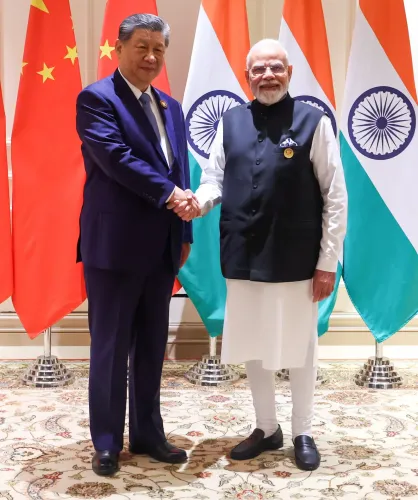
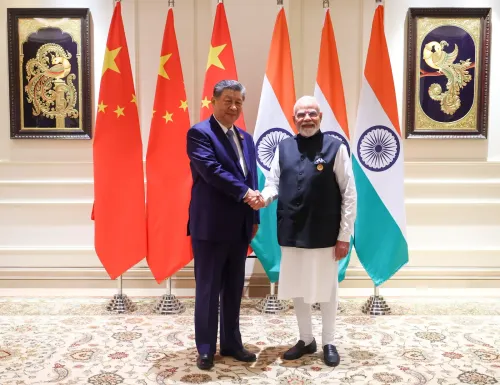
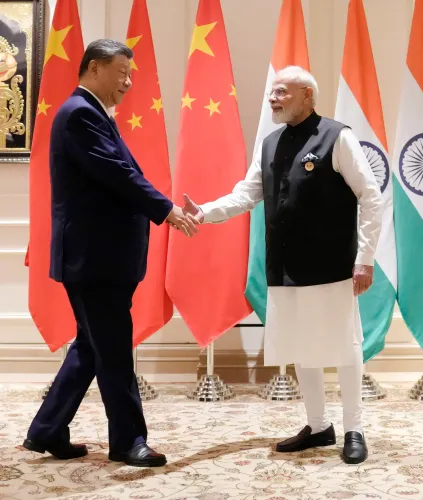
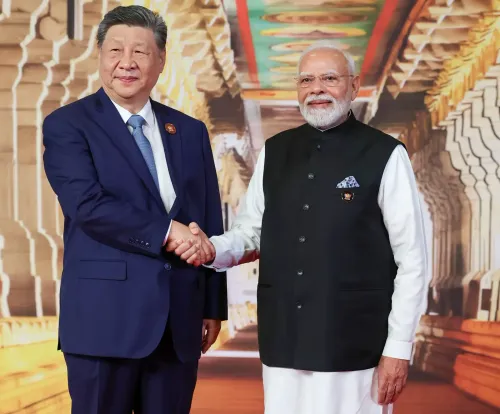
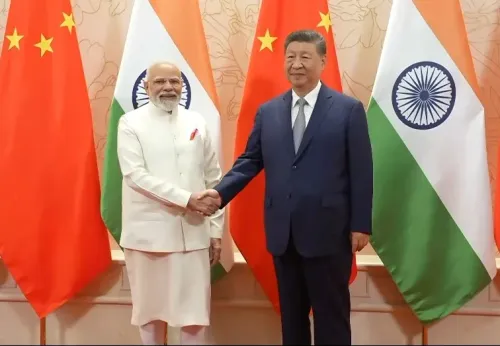
Prime Minister Narendra Modi underlined at the 18th BRICS Summit in New Delhi that India and China must show sensitivity to each other's core concerns and be guided by the 'three mutuals' — mutual respect, mutual interest, and mutual sensitivity — according to the Ministry of External Affairs (MEA). The remarks came during Modi's bilateral meeting with Chinese President Xi Jinping on the sidelines of the summit on 12 September 2025, with the MEA formally briefing reporters on 15 September 2025.
What Was Said at the Briefing
Addressing a bi-weekly media briefing in New Delhi on Tuesday, MEA spokesperson Randhir Jaiswal confirmed that several issues came up during the Modi-Xi discussion. When specifically asked about the Chinese readout of the meeting — which mentioned that India's policy position on Taiwan and Tibet remains unchanged and that India will not allow any force to engage in anti-China activities on its territory — Jaiswal noted that Prime Minister Modi had simultaneously raised Indian concerns of his own.
'Prime Minister referred to Indian concerns as well and underlined those, that both sides should show sensitivity to each other's core concerns and be guided by the three mutuals — mutual respect, mutual interest and mutual sensitivity,' Jaiswal said.
Key Outcomes of the Modi-Xi Meeting
The two leaders welcomed what the MEA described as 'steady progress' in India-China bilateral relations since their previous meeting in Tianjin in August 2025. They reaffirmed that both nations should take a 'strategic and long-term perspective' of ties, with the key formulation being that 'differences should not become disputes.'
Modi also stressed that peace and tranquillity in border areas remain an essential basis for the development of bilateral relations. He underlined the need for both sides to observe existing agreements and understandings on border-related issues. The two leaders expressed commitment to a 'fair, reasonable, and mutually acceptable resolution of the boundary question,' proceeding from the political perspective of the overall bilateral relationship.
Trade, People-to-People Ties on the Table
On economic and trade relations, both leaders underlined the need to address each other's concerns, including structural trade imbalance, supply chain issues, and the facilitation of 'meaningful and predictable market access.' They also took note of progress in people-to-people ties and called for further promotion of cultural exchanges, business linkages, and greater mobility between the two countries.
The leaders additionally agreed that both sides must continue to expand common ground on regional and global issues.
Senior Officials Present
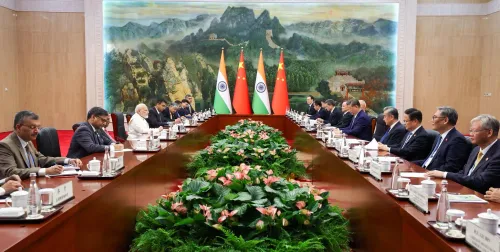
External Affairs Minister S. Jaishankar, National Security Advisor Ajit Doval, and other senior officials were present at the bilateral meeting, reflecting the strategic weight New Delhi attached to the engagement.
The meeting marks a continued diplomatic thaw between the two Asian neighbours following the disengagement along the Line of Actual Control (LAC), and sets the stage for further high-level engagement in the months ahead.
Point of View
Too, must respect India's core concerns. This 'three mutuals' formulation gives India a reusable diplomatic scaffold to push back on Chinese assertions without escalating bilaterally. The deeper tension, however, is structural: the trade deficit with China has widened even as political ties recovered post-Galwan, and 'meaningful market access' has remained a talking point without measurable progress. Whether this summit translates into economic rebalancing or stays at the level of carefully worded communiqués will be the real test of this diplomatic reset.
NationPress
15 Sept 2026
Frequently Asked Questions
What did PM Modi tell Xi Jinping at the BRICS Summit?
PM Modi told Chinese President Xi Jinping that India and China should show sensitivity to each other's core concerns and be guided by three principles — mutual respect, mutual interest, and mutual sensitivity — during their bilateral meeting on 12 September 2025 in New Delhi. He also stressed that peace along the border remains essential to the development of bilateral ties.
What is the 'three mutuals' framework Modi referenced?
The 'three mutuals' refers to mutual respect, mutual interest, and mutual sensitivity — a formulation PM Modi used to set the terms for how India and China should navigate their bilateral relationship. It was flagged by the MEA as Modi's guiding principle during the Xi meeting at the BRICS Summit.
What did China's readout of the Modi-Xi meeting say?
China's readout of the meeting reportedly stated that India's policy and position on issues relating to Taiwan and Tibet remain unchanged and that India will not allow any force to engage in anti-China activities on its territory. MEA spokesperson Randhir Jaiswal confirmed these issues came up and noted Modi had raised Indian concerns in parallel.
What was agreed on the India-China border question?
Both leaders expressed commitment to a fair, reasonable, and mutually acceptable resolution of the boundary question from a political perspective. Modi underlined the need for both sides to observe existing border agreements, with peace and tranquillity along the border described as an essential basis for bilateral development.
Were trade and economic issues discussed at the BRICS bilateral?
Yes, both leaders addressed structural trade imbalances, supply chain issues, and the need for meaningful and predictable market access. They also discussed people-to-people exchanges, cultural ties, and business linkages as areas for further cooperation.