PM Modi unveils Ganga-Mahakam Vision at Indonesia Parliament address
Synopsis
Standing before Indonesia's Parliament in Jakarta, PM Modi unveiled the 'Ganga-Mahakam Vision' — a five-pillar framework that reframes the India-Indonesia relationship around civilisational ties, maritime geography, and aligned 2045-2047 development goals. The visit also saw Modi receive Indonesia's highest civilian honour, signalling the depth of the diplomatic reset.
Key Takeaways
PM Modi addressed the Parliament of Indonesia in Jakarta on 7 July , proposing the 'Ganga-Mahakam Vision' for bilateral engagement.
The vision rests on five pillars: civilisational connect, shared development pathways, security trust, maritime prosperity, and Global South solidarity.
Modi drew parallels between Viksit Bharat 2047 and Golden Indonesia 2045 , calling for deeper cooperation in trade, digital infrastructure, and emerging technologies.
President Prabowo Subianto conferred the 'Bintang Adipurna' — Indonesia's highest honour — on Prime Minister Modi.
Modi reaffirmed India's commitment to a free, open, inclusive and rules-based Indo-Pacific .
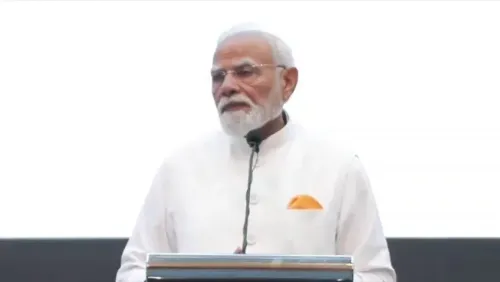
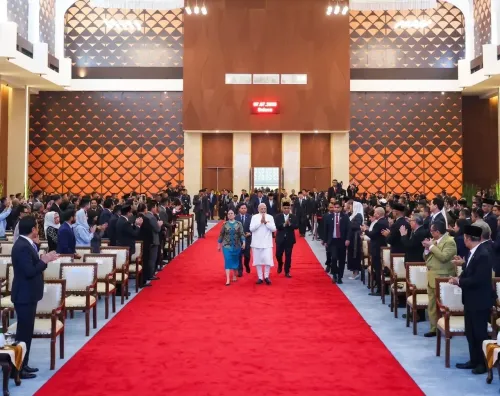
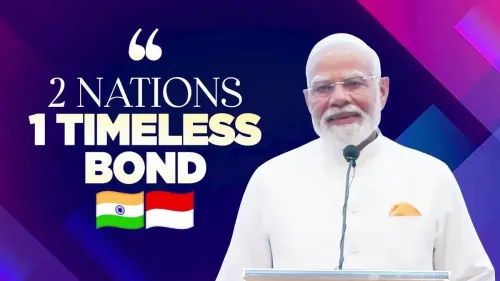
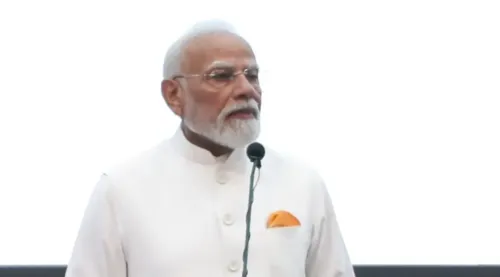
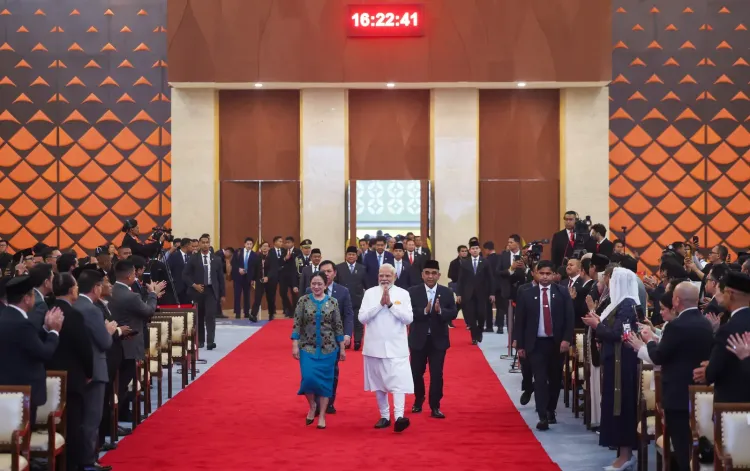
Prime Minister Narendra Modi on Tuesday, 7 July addressed the Parliament of Indonesia in Jakarta, calling for a new chapter in India-Indonesia ties anchored in the 'Ganga-Mahakam Vision' — a bilateral framework that draws on the two nations' civilisational bonds, shared democratic values, and maritime geography. The address marked one of the most significant diplomatic gestures of Modi's current foreign visit.
What the Ganga-Mahakam Vision Proposes
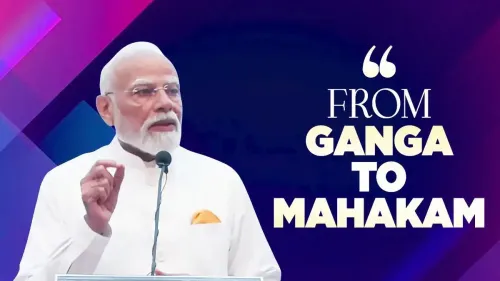
Under the framework, Prime Minister Modi outlined five pillars for deepening engagement: building on the civilisational connect between the two nations; exchanging development pathways; strengthening security and strategic trust; advancing maritime prosperity; and amplifying the collective voice of the Global South. The vision draws its name from India's sacred Ganga river and Indonesia's Mahakam river, symbolising a civilisational bridge across the waters.
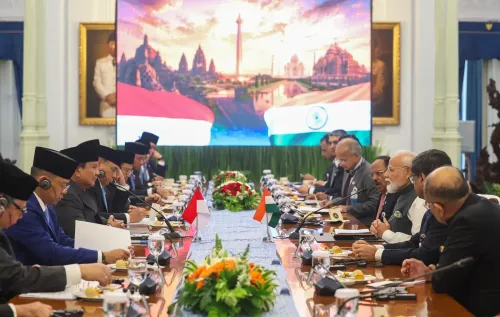
According to the Ministry of External Affairs (MEA), the address reaffirmed both countries' commitment to deepening their Comprehensive Strategic Partnership, underscoring enduring civilisational bonds and shared democratic values as its foundation.
Viksit Bharat and Golden Indonesia: Aligned Visions
Modi drew a direct parallel between India's 'Viksit Bharat 2047' development roadmap and Indonesia's 'Golden Indonesia 2045' (Indonesia Emas 2045), arguing that the two nations' long-term aspirations are naturally aligned. He called for deeper collaboration in trade, investment, connectivity, food and energy security, digital public infrastructure, and emerging technologies — sectors where both economies have identified strategic priorities.
Notably, this is not a standalone initiative but an elevation of an existing partnership. Both countries have been Comprehensive Strategic Partners since 2018, and this vision seeks to inject fresh momentum into that architecture.
On the Indo-Pacific and the Sea as a Bridge
Modi reaffirmed India's commitment to a free, open, inclusive and rules-based Indo-Pacific — language that carries significant strategic weight given the contested nature of regional maritime order. He pointed out that while the two capitals are thousands of kilometres apart, the sea separates the two nations by only 150 kilometres, reframing geography as an asset rather than a barrier.
'India is a nation that follows the path not of expansionism but of development. That is why in India we say Sabka Saath, Sabka Vikas — Together with all, development for all. Today, I stand before all of you carrying this very mantra and sentiment. Although our capitals may be thousands of kilometres apart, the sea separates us by only 150 kilometres. While the sea has often served as a barrier or a source of distance between other nations, for India and Indonesia, it has never symbolised separation; instead, the sea acts as a bridge between us and lies at the heart of our shared future,' Modi said in his address.
Indonesia's Highest Honour for PM Modi
On the sidelines of the visit, President Prabowo Subianto conferred upon Prime Minister Modi the 'Bintang Adipurna of the Republic of Indonesia' — the country's highest civilian honour. Modi expressed gratitude to President Subianto and the people of Indonesia, stating that the recognition reflects the democratic values, shared heritage, and the strength of ties between the two nations.
Modi also posted on X following the address: 'It was an honour to address the Indonesia Parliament. India and Indonesia are connected by centuries of shared history, culture and people-to-people ties. Together, we will continue to work towards a future defined by friendship, cooperation and shared prosperity.'
What Comes Next
The Ganga-Mahakam Vision is expected to translate into concrete sectoral agreements and working groups in the months ahead. With Indonesia holding a pivotal position in ASEAN and India deepening its Act East Policy, the bilateral relationship carries implications well beyond the two countries — particularly on questions of Indo-Pacific stability and Global South coordination at multilateral forums.
Point of View
Proximity, and civilisational overlap. The five-pillar framework is notable for explicitly naming the Global South as a shared geopolitical project, which signals India's intent to use bilateral partnerships as building blocks for multilateral influence. The parallel between Viksit Bharat 2047 and Golden Indonesia 2045 is strategically astute — it positions India as a peer development partner rather than a donor or patron. The real test will be whether the vision produces binding sectoral commitments or remains a speech-day architecture.
NationPress
6 Oct 2026
Frequently Asked Questions
What is the Ganga-Mahakam Vision announced by PM Modi?
The Ganga-Mahakam Vision is a bilateral framework proposed by Prime Minister Modi during his address to Indonesia's Parliament on 7 July, outlining five pillars for deeper India-Indonesia engagement: civilisational connect, shared development pathways, security and strategic trust, maritime prosperity, and amplifying the Global South's voice.
Why did PM Modi address the Indonesian Parliament?
PM Modi addressed the Indonesian Parliament as part of his state visit to Jakarta, aimed at elevating the India-Indonesia Comprehensive Strategic Partnership. The address was a platform to articulate a long-term vision for bilateral ties rooted in shared history, democratic values, and aligned development goals.
What honour did Indonesia confer on PM Modi?
President Prabowo Subianto awarded PM Modi the 'Bintang Adipurna of the Republic of Indonesia,' the country's highest civilian honour. Modi stated it reflects the democratic values, shared heritage, and strong ties between the two nations.
How are India's and Indonesia's development visions connected?
PM Modi highlighted the alignment between India's 'Viksit Bharat 2047' and Indonesia's 'Golden Indonesia 2045' (Indonesia Emas 2045), arguing both nations share long-term aspirations in trade, connectivity, digital infrastructure, and emerging technologies that make deeper collaboration a natural fit.
What is India's position on the Indo-Pacific, as stated in Jakarta?
PM Modi reaffirmed India's commitment to a free, open, inclusive and rules-based Indo-Pacific during the address. He also underscored that the sea between India and Indonesia — just 150 kilometres at its narrowest — is a bridge, not a barrier, central to the shared maritime future of both nations.