G7 Summit: Modi gifts Nagauri Ashwagandha, Ramban honey and Banarasi silk to world leaders
Synopsis
At the G7 Summit in Evian, PM Modi handed world leaders three GI-tagged or heritage-certified Indian products — Nagauri Ashwagandha, Ramban honey, and a Banarasi silk stole. The gesture was no diplomatic accident: each gift maps to a specific Indian region, a traditional knowledge system, and a rural livelihood — making soft power tangible.
Key Takeaways
PM Narendra Modi gifted Nagauri Ashwagandha , Ramban honey , and Banarasi silk stoles to world leaders at the 52nd G7 Summit in Evian, France .
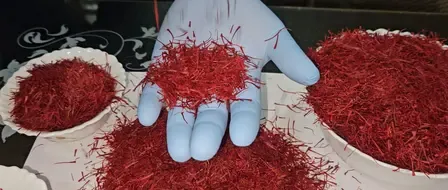
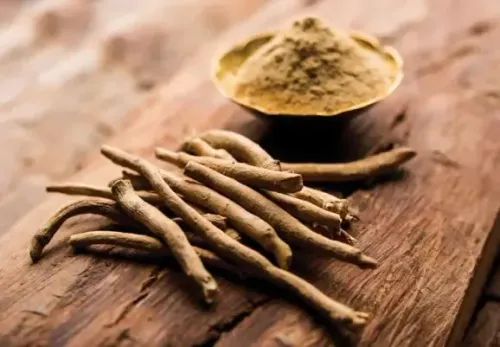
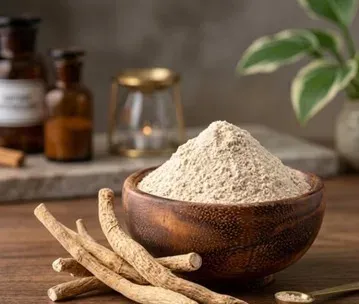
Nagauri Ashwagandha , grown in Nagaur district, Rajasthan , carries a GI tag and is valued for its high withanolide content and Ayurvedic Rasayana properties.
Ramban honey is harvested in the Chenab Valley, Jammu and Kashmir , using traditional beekeeping methods and is known for its antioxidants and bioactive compounds.
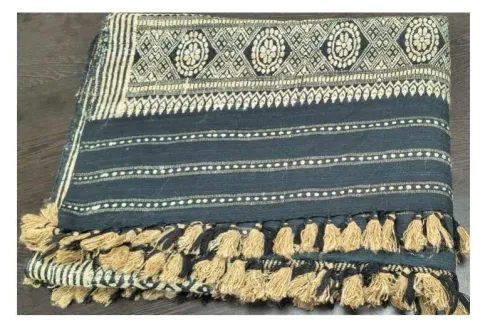
Banarasi silk stoles from Varanasi are also GI-tagged , representing centuries of handloom craftsmanship and zari weaving traditions.
This was India's 13th G7 participation and Modi's seventh consecutive appearance at the summit, where he engaged on issues affecting India and the Global South .
Prime Minister Narendra Modi presented world leaders at the 52nd G7 Summit in Evian, France with a curated set of gifts — Nagauri Ashwagandha, Ramban honey, and Banarasi silk stoles — each carrying a Geographical Indication (GI) tag or deep cultural heritage, in a deliberate move to spotlight India's traditional knowledge systems on a global stage.
The Significance of Nagauri Ashwagandha
Nagauri Ashwagandha is a premium variety of the adaptogenic herb cultivated in the Nagaur district of Rajasthan, where the region's arid climate and sandy soil produce roots with a notably high withanolide content. Recognised with a GI tag, the variety holds both agricultural and cultural weight in the region.
In Ayurveda, Ashwagandha is classified as a Rasayana herb — one associated with vitality, mental clarity, immunity, and overall well-being. It is among the most widely researched herbs globally for its adaptogenic properties, placing it at the intersection of traditional Ayurvedic knowledge and contemporary wellness science. Its cultivation also sustains rural livelihoods across Rajasthan's farming communities.
Ramban Honey: From the Himalayan Valleys
Ramban honey is harvested by local beekeepers in the Chenab Valley of Jammu and Kashmir, a landscape rich in Himalayan wildflowers that lend the honey a distinctive flavour and nutritional profile. It is valued in Ayurveda for its natural antioxidants, enzymes, and bioactive compounds.
Production follows traditional, environmentally sensitive beekeeping practices that reflect the region's biodiversity and long-standing cultural heritage. The gift underlines India's push to bring lesser-known, regionally specific natural products to international attention.
Banarasi Silk: A Weaver's Legacy
The Banarasi silk stole, handwoven in Varanasi from fine silk and embellished with intricate zari work, represents one of India's most prestigious textile traditions. Motifs inspired by nature and centuries-old weaving techniques — passed down through generations of artisan families — define its character.
Also protected by a GI tag, Banarasi silk supports the livelihoods of weaving communities and is widely regarded as a symbol of India's craftsmanship and artistic continuity. Its inclusion in the gift set reinforces India's broader cultural diplomacy narrative.
India's Role at the G7
India participated in the 52nd G7 Summit as a partner country, marking its 13th appearance at the forum and Prime Minister Modi's seventh consecutive participation. Modi engaged with leaders on issues of relevance to India and the broader Global South, reinforcing New Delhi's positioning as a bridge between developed economies and the developing world.
The choice of gifts — each rooted in a specific Indian region, each either GI-tagged or Ayurvedically significant — appears to be a continuation of India's strategy to use cultural diplomacy as a vehicle for advancing traditional medicine and artisanal heritage in multilateral settings. How world leaders and their governments respond to this soft-power outreach will be worth watching in the months ahead.
Point of View
Each tied to a specific Indian region and a rural community. This is cultural diplomacy with an economic subtext: putting India's traditional knowledge systems and artisanal exports in front of G7 heads of government. The deeper question is whether these gestures translate into tangible market access or policy recognition for India's traditional medicine framework at forums like the WHO. Symbolism is easy; institutionalisation is harder.
NationPress
20 Sept 2026
Frequently Asked Questions
What gifts did PM Modi give at the G7 Summit 2025?
PM Modi presented world leaders at the G7 Summit in Evian, France with three gifts: Nagauri Ashwagandha, Ramban honey, and Banarasi silk stoles. Each item is either GI-tagged or carries significant cultural and Ayurvedic heritage.
What is Nagauri Ashwagandha and why is it significant?
Nagauri Ashwagandha is a premium variety of the adaptogenic herb grown in the Nagaur district of Rajasthan, known for its high withanolide content due to the region's arid climate and sandy soil. It holds a GI tag and is classified in Ayurveda as a Rasayana herb linked to vitality, immunity, and mental clarity.
Where does Ramban honey come from?
Ramban honey is produced by local beekeepers in the Chenab Valley of Jammu and Kashmir, using traditional, environmentally sensitive practices. The area's rich Himalayan flora gives the honey a distinctive taste and a profile rich in antioxidants, enzymes, and bioactive compounds.
Why is Banarasi silk included in the G7 gift set?
Banarasi silk stoles from Varanasi are among India's most recognised handloom products, protected by a GI tag and defined by intricate zari work and centuries-old weaving techniques. Their inclusion highlights India's artisanal heritage and the livelihoods of weaving communities.
How many times has India participated in the G7 Summit?
The G7 Summit in Evian marked India's 13th participation at the forum and Prime Minister Modi's seventh consecutive appearance. India attended as a partner country and engaged on issues relevant to India and the Global South.