Nepal floods damage 4 hydropower projects in Budhi Gandaki, 412 MW at risk
Synopsis
Nepal's flood crisis is hitting its clean energy future hard. Flash floods on 11 October 2026 damaged four hydropower projects in the Budhi Gandaki basin — 412.09 MW of capacity at risk — just weeks after August floods wiped out 430.7 MW equivalent and killed 1,455 people. For a nation banking on hydropower exports, back-to-back disasters are exposing a dangerous structural fault line.
Key Takeaways
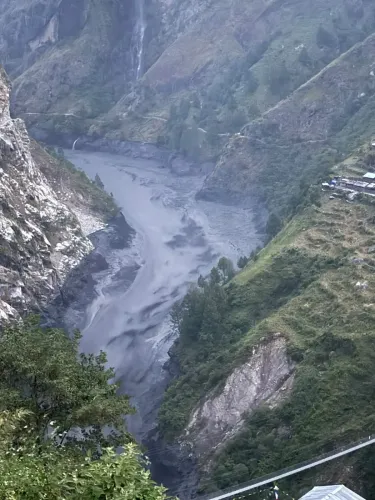
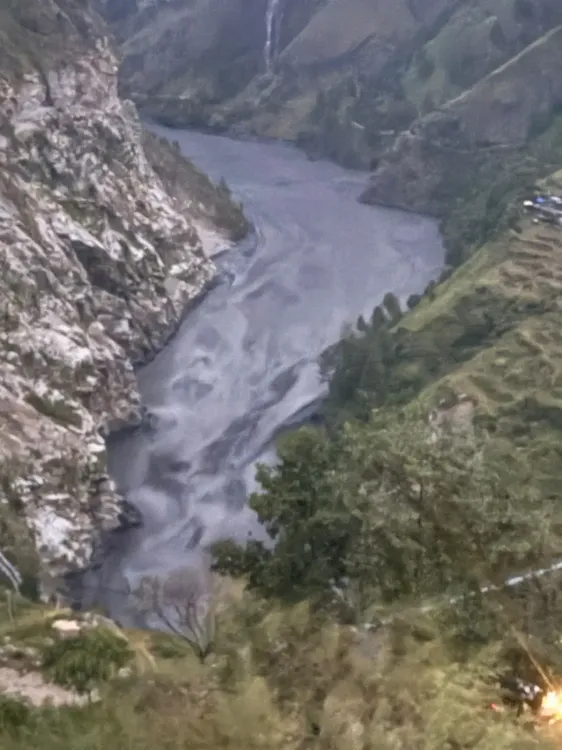
Flash floods struck the Budhi Gandaki River basin in Gorkha district, Nepal , early on 11 October 2026 .
Four hydropower projects with a combined installed capacity of 412.09 MW were affected, according to IPPAN .
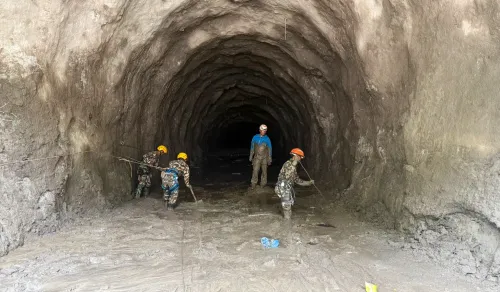
The main camp area of the 341-MW Budhi Gandaki Hydropower Project was swept away; construction equipment was also washed away.
Earlier, the 26 August 2026 floods damaged 12 hydropower projects and disrupted approximately 430.7 MW of capacity — 10.6% of Nepal's total installed hydropower and solar capacity.
The August 2026 disaster killed 1,455 people and left 5,285 missing, per Nepal's National Disaster Risk Reduction and Management Authority .
The recurring damage highlights Nepal's clean energy infrastructure vulnerability to climate-related hazards as the country seeks to become a major hydropower exporter.
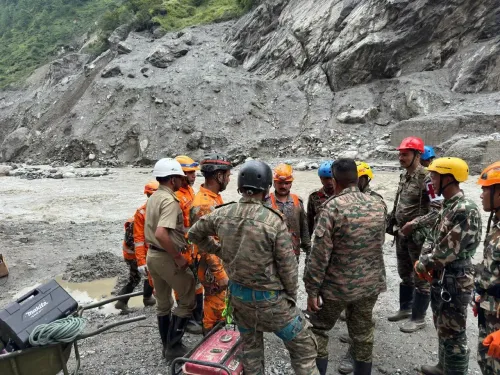
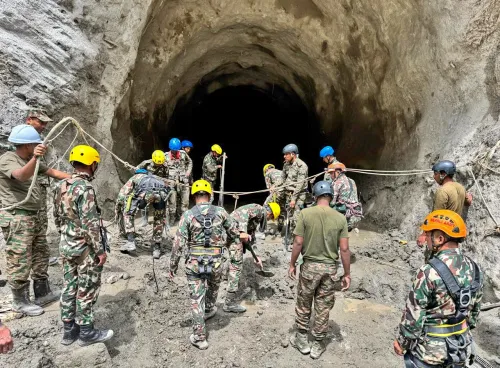
At least four hydropower projects in the Budhi Gandaki River basin in western Gorkha district, Nepal, have been damaged after massive floods struck early Sunday morning on 11 October 2026, the Independent Power Producers' Association, Nepal (IPPAN) confirmed. The affected projects carry a combined installed capacity of 412.09 MW, dealing a fresh blow to Nepal's ambitions of becoming a major clean energy exporter in South Asia.
What Was Damaged
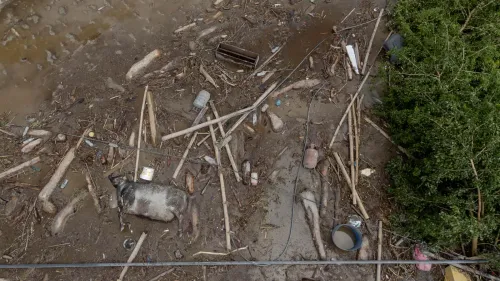
According to IPPAN, the main camp area of the 341-MW Budhi Gandaki Hydropower Project — still under construction — was swept away by floodwaters, along with some construction equipment. The 24.5-MW Dobhan Khola Hydropower Project suffered damage to camp houses and lost a Bailey bridge near its site. Floodwaters also washed away a Bailey bridge and construction materials at the 30.59-MW Yaru Khola Hydropower Project. An access road and the connecting bridge at the 16-MW Machha Khola Hydropower Project were also reported damaged.
A Pattern of Recurring Disasters
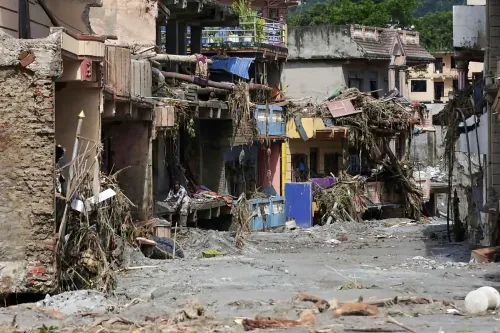
The latest floods closely mirror the devastating inundation of the Bhote Koshi and Trishuli rivers on 26 August 2026, which swept away parts of settlements and damaged bridges, roads, and project-site infrastructure across Nepal. The August 2026 disaster affected 12 hydropower projects and one solar power project, hitting 281.1 MW of operational capacity and 395.02 MW under construction, according to the World Bank's Global Rapid Post-Disaster Damage Estimation (GRADE) report. Damage to transmission lines and substations further disrupted the flow of 149.6 MW to the national grid, bringing the total affected capacity to approximately 430.7 MW — or 10.6% of Nepal's total installed hydropower and solar capacity at the end of fiscal year 2025–26, which closed in mid-July.
Human Cost of the August Floods
The August 2026 floods exacted a catastrophic human toll. According to Nepal's National Disaster Risk Reduction and Management Authority, the disaster claimed 1,455 lives, while 5,285 people remained missing. Beyond lives, the event damaged hydropower facilities, solar energy installations, electricity transmission infrastructure, and transport networks, with the energy sector among the hardest hit.
What This Means for Nepal's Energy Ambitions
Nepal has long aspired to become a major hydropower exporter across South Asia, leveraging its vast river systems and elevation gradients. But the back-to-back flood events of August and October 2026 underscore a structural vulnerability: much of the country's clean energy infrastructure sits in steep river valleys highly exposed to flash floods, landslides, and other climate-related hazards. Notably, IPPAN, which represents private-sector power developers, has flagged that each major flood season risks setting back years of investment and construction. The October floods arrive as the sector was already grappling with the aftermath of the August disaster, raising urgent questions about resilient project design and disaster-preparedness frameworks for Nepal's energy pipeline.
Point of View
And the fact that its main camp was swept away points to site-selection and resilience gaps that go beyond weather. What mainstream coverage misses is that the World Bank's GRADE data quantifying 10.6% of installed capacity lost in August represents not just physical damage, but a chilling signal to the private investors whose capital IPPAN represents. Without binding climate-resilience standards built into project licensing, Nepal's hydropower export dream risks being perpetually reset by each monsoon.
NationPress
11 Oct 2026
Frequently Asked Questions
Which hydropower projects were affected by Nepal's October 2026 floods?
Four projects in the Budhi Gandaki River basin were affected: the 341-MW Budhi Gandaki Hydropower Project, the 24.5-MW Dobhan Khola Hydropower Project, the 30.59-MW Yaru Khola Hydropower Project, and the 16-MW Machha Khola Hydropower Project. Together, they account for a combined installed capacity of 412.09 MW.
How severe was the damage to the Budhi Gandaki Hydropower Project?
The main camp area of the 341-MW Budhi Gandaki Hydropower Project — currently under construction — was swept away by floodwaters, and some construction equipment was also washed away, according to IPPAN.
How do the October 2026 floods compare to Nepal's August 2026 floods?
The August 2026 floods were considerably larger in documented impact, affecting 12 hydropower projects and disrupting approximately 430.7 MW of capacity — roughly 10.6% of Nepal's total installed hydropower and solar capacity — according to the World Bank's GRADE report. The August event also killed 1,455 people and left 5,285 missing.
Why are floods a major threat to Nepal's hydropower sector?
Nepal's hydropower projects are built in steep river valleys that are highly vulnerable to flash floods, landslides, and other climate-related hazards. As the country aims to become a major clean energy exporter in South Asia, recurrent disaster damage to project sites, bridges, access roads, and transmission infrastructure poses a significant risk to that ambition.
What is IPPAN and what role does it play in Nepal's energy sector?
IPPAN, the Independent Power Producers' Association, Nepal, represents private-sector hydropower developers in the country. It monitors and reports damage to energy infrastructure during disaster events and advocates for the interests of private power project developers.