North Korea has 80-120 nuclear weapons, says South Korean Defence Minister
Synopsis
South Korea’s Defence Minister put North Korea’s nuclear stockpile at 80 to 120 warheads — significantly above the 57 Trump cited at the White House just 24 hours earlier. The rare public divergence between two close allies on a classified figure, combined with Pyongyang’s accelerating DMZ militarisation, underscores how far apart Washington and Seoul may be as Trump signals a fresh push for Kim Jong-un diplomacy.
Key Takeaways
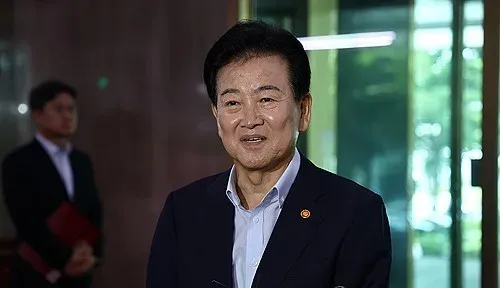
South Korean Defence Minister Ahn Gyu-back estimated North Korea has between 80 and 120 nuclear weapons , disclosed on 20 August during a parliamentary session.
US President Donald Trump had cited a lower figure of 57 “very powerful” nuclear weapons at the White House on Wednesday.
Ahn attributed his estimate to a private research institute , stressing he cannot provide an official military assessment.
Both South Korea and the United States officially do not recognise North Korea as a nuclear-armed state.
North Korea’s border fortification activities along the DMZ , including fencing and mine-laying, are expected to be completed by 2028 .
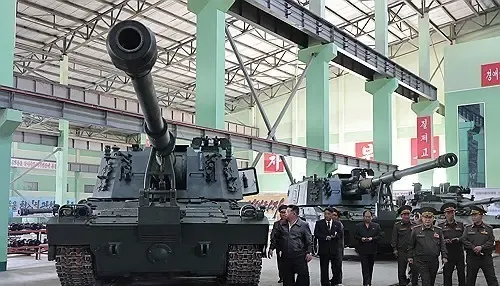
Pyongyang has deployed new 240 mm and 600 mm multiple rocket launchers and tactical missiles near the border; Seoul has responded with Chunmoo rocket systems and counter-drone assets.
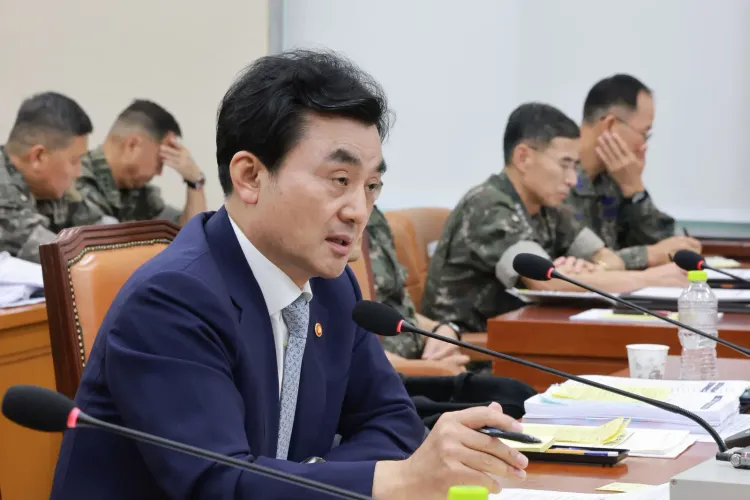
South Korean Defence Minister Ahn Gyu-back on Thursday, 20 August estimated that North Korea possesses between 80 and 120 nuclear weapons, a figure notably higher than the 57 cited by US President Donald Trump just a day earlier. The disclosure, made during a parliamentary session in Seoul, has drawn attention to a rare divergence in intelligence estimates between two of the closest security allies in the Indo-Pacific.
What the South Korean Minister Said
Responding to lawmakers after Trump's White House remarks on Wednesday (US time), Ahn said, “We typically see that (North Korea has) around 80 to 120 (nuclear weapons), but I am very limited in providing a specific figure.” He acknowledged that the estimates held by Seoul and Washington “appear to be slightly different.”
Ahn later sought to clarify, noting that the figure he cited came from an estimate by a private research institute rather than an official military assessment. He stressed that he is constrained in sharing classified intelligence on the matter.
Trump's Claim and What It Signals
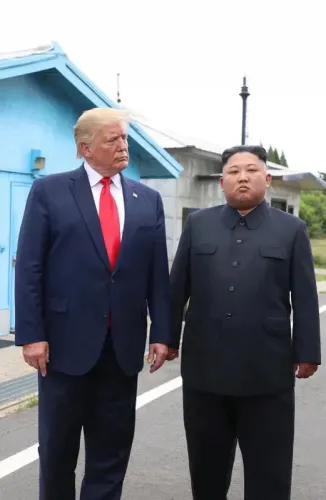
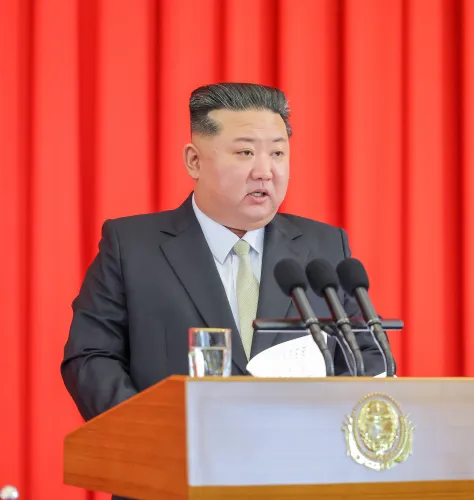
President Trump told reporters at the White House on Wednesday that Pyongyang possesses 57 “very powerful” nuclear weapons — marking the first time he has publicly cited a specific figure for North Korea’s nuclear arsenal. Trump also said he would meet North Korean leader Kim Jong-un later this year, signalling a possible diplomatic opening after years of stalled talks.
It is considered rare for officials from either South Korea or the United States to publicly state a specific number for Pyongyang’s stockpile. Such disclosures are sensitive not only because the data is highly classified, but also because naming a figure risks being interpreted as de facto recognition of North Korea as a nuclear-armed state — a status both governments officially reject.
The Nuclear Recognition Question
Seoul and Washington have consistently maintained that the reclusive state is not recognised as a nuclear-armed nation. When pressed by an opposition lawmaker on whether South Korea acknowledges Pyongyang’s nuclear possession, Ahn was unequivocal: “We can never officially acknowledge that.”
Asked to comment on Trump’s specific figure, Ahn declined, saying it would be inappropriate for a South Korean minister to assess statements made by the US president.
Ahn also reaffirmed that South Korea has no intention of developing its own nuclear weapons and will continue to rely on the US nuclear deterrence framework for its security.
Border Tensions and Military Buildups
Separately, the South Korean Defence Ministry flagged escalating border fortification activities by North Korea along the inter-Korean frontier. These include the installation of barbed-wire fencing and the laying of landmines close to the Military Demarcation Line (MDL) within the Demilitarised Zone (DMZ). The ministry expects these activities to be completed by 2028.
Seoul has accused Pyongyang of violating the armistice agreement, which restricts military activities within the border buffer zone. The ministry stated: “We have established a real-time response posture and reinforced border security against North Korean installations and military movements along the MDL.”
According to a document submitted to the National Assembly, North Korea has deployed new weapons systems to border areas, including new 240 mm and 600 mm multiple rocket launchers, self-propelled artillery, and tactical missiles. In response, the South Korean military has deployed counter-battery and Chunmoo multiple launch rocket systems, alongside new counter-drone systems.
Notably, the UN Command (UNC), which oversees enforcement of the armistice agreement, has assessed that the North’s border buildups do not constitute a violation as they serve a defensive purpose — a position that reflects a gap with Seoul’s own reading of the situation.
As diplomatic signals from Washington and military signals from Pyongyang pull in opposite directions, the coming months will test whether a Trump-Kim meeting can revive denuclearisation talks or merely freeze the status quo.
Point of View
It may be inclined toward a less demanding denuclearisation baseline, which could alarm Seoul. Ahn’s quick retreat to ‘private research institute’ sourcing after his parliamentary disclosure also highlights how politically fraught it remains to speak plainly about a nuclear programme that both governments simultaneously track closely and refuse to officially acknowledge. Meanwhile, Pyongyang’s DMZ buildups — new rocket systems, mines, fencing — suggest the North is hardening its position on the ground regardless of any diplomatic overtures from Washington.
NationPress
5 Oct 2026
Frequently Asked Questions
How many nuclear weapons does North Korea have according to South Korea?
South Korean Defence Minister Ahn Gyu-back estimated on 20 August that North Korea possesses between 80 and 120 nuclear weapons. He noted this figure comes from a private research institute estimate, not an official military assessment, and that he is limited in disclosing classified intelligence.
What number did Trump give for North Korea’s nuclear arsenal?
US President Donald Trump stated at the White House on Wednesday that North Korea possesses 57 ‘very powerful’ nuclear weapons. This was the first time Trump publicly cited a specific figure for Pyongyang’s stockpile.
Does South Korea officially recognise North Korea as a nuclear state?
No. Both South Korea and the United States maintain that North Korea is not recognised as a nuclear-armed nation. Defence Minister Ahn stated, ‘We can never officially acknowledge that,’ when asked directly by a lawmaker.
What is North Korea doing along the DMZ border?
North Korea has been installing barbed-wire fencing and laying landmines close to the Military Demarcation Line within the Demilitarised Zone. It has also deployed new 240 mm and 600 mm multiple rocket launchers, self-propelled artillery, and tactical missiles to border areas. South Korea expects these fortification activities to be completed by 2028.
How has South Korea responded to North Korea’s border buildups?
The South Korean military has deployed counter-battery and Chunmoo multiple launch rocket systems, as well as new counter-drone systems, to strengthen readiness along the border. Seoul is also maintaining close coordination with the UN Command, which oversees enforcement of the armistice agreement.