NATO Secretary General Supports US Actions Against Iran Amid Missile Threat
Synopsis
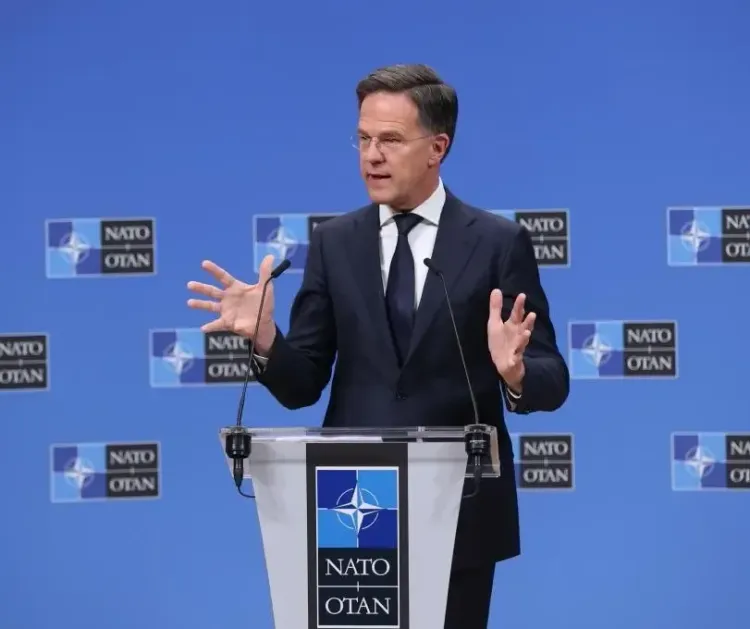
NATO Secretary General Mark Rutte supports US military actions against Iran, highlighting the imminent missile threat to Europe. As NATO investigates missile launch allegations, Rutte emphasizes the need for coordinated efforts to ensure global stability.
Key Takeaways
NATO's support for US actions against Iran is emphasized by Secretary General Mark Rutte.
Iran's potential missile capabilities pose a significant threat to Europe.
Coordinated efforts among allies are essential for global security.
Rutte warns against delaying negotiations with Iran.
The alliance's unity remains a priority despite external pressures.
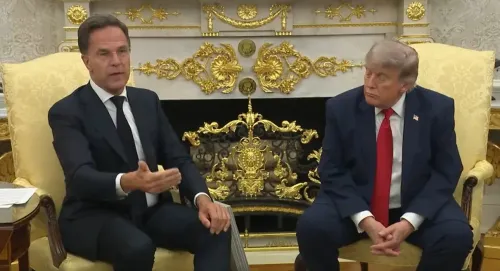
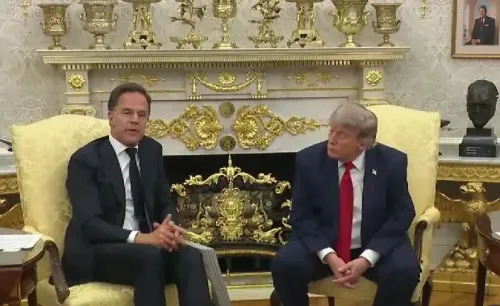
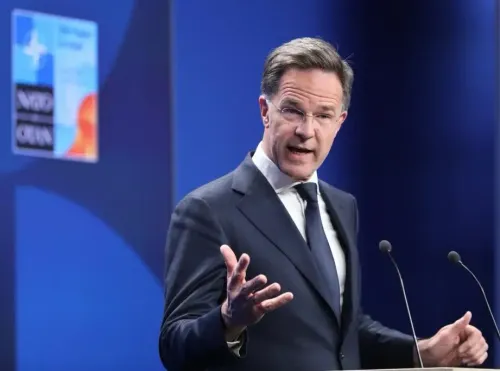
Washington, March 23 (NationPress) NATO Secretary General Mark Rutte expressed his support for the United States military actions against Iran, cautioning that Tehran is "extremely near" to acquiring missile capabilities that could endanger Europe. This statement comes as NATO evaluates reports regarding a long-range missile strike on a joint US-UK military base located in the Indian Ocean.
In an interview on CBS News' "Face the Nation," Rutte noted that NATO has not yet verified the allegations of Iran launching missiles toward Diego Garcia. However, he emphasized the significance of these claims if they turn out to be true.
“Currently, we cannot confirm that, so we are investigating,” he stated. “But if validated, it serves as further evidence that the actions taken by the President here are vital.”
He expressed concern that Iran is approaching the capability to target major cities in Europe. “What we can confirm is that they are very near to possessing that capability,” he remarked, indicating the potential reach of Iranian missiles.
Rutte warned that if Iran combines both nuclear and missile capabilities, it would represent a serious global threat. “Should Iran achieve nuclear status, coupled with missile capabilities, it would pose an existential threat to Israel, the region, Europe, and global stability,” he elaborated.
He endorsed the efforts of the US to diminish Iran's military strength, arguing that procrastination could have dire consequences. Drawing a comparison with North Korea, he stated, “If we delay negotiations for too long, we might miss the opportunity to address the situation effectively.”
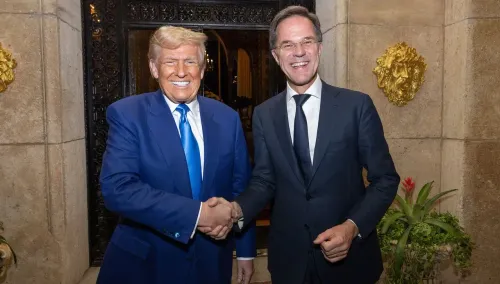
These comments surfaced amid rising tensions within the NATO alliance, following President Donald Trump's criticisms of NATO allies for their insufficient support of US military operations, particularly in securing shipping routes through the Strait of Hormuz.
Rutte acknowledged the existing frustrations but assured that cooperative planning among allies is currently taking place. He revealed that 22 nations, including NATO members and partners like Japan, South Korea, Australia, and Gulf states, are collaborating to ensure safe passage in the Strait.
“We are currently addressing three key questions to respond to the President's request, ensuring that we facilitate free navigation through the Strait of Hormuz,” he explained, referring to the planning process regarding “what is needed, when it is needed, and where it is needed.”
He pointed out that operational timelines are still being discussed, with military planners focusing on deployment specifics. “A crucial question remains… the timing,” he added.
In response to worries that US pressure might undermine NATO unity, Rutte asserted that the alliance has historically unified during crises. He referenced the increase in defense spending commitments made under Trump’s administration and ongoing collaborative efforts related to Ukraine.
“I understand the President's frustration with the pace of progress,” he noted, adding that allies require time to prepare due to the confidential nature of initial US actions.
Regarding Ukraine, Rutte defended US diplomatic actions, despite backlash over the easing of restrictions on Russian oil exports. He stated that Washington is juggling multiple priorities while advocating for a negotiated resolution.
“He must navigate these various interests,” Rutte said. “His endeavor to bring the conflict in Ukraine to a successful conclusion is essential.”
Point of View
The focus is on how NATO's unity and response to Iran's military advancements can shape international relations and security. Rutte's remarks reflect a significant concern over Iran's potential threat to Europe, emphasizing the urgency for allied coordination.
NationPress
23 Sept 2026
Frequently Asked Questions
What did NATO Secretary General Mark Rutte say about Iran's missile capabilities?
Mark Rutte warned that Iran is very close to developing missile capabilities that could threaten Europe.
What is NATO doing in response to the situation with Iran?
NATO is assessing reports of missile strikes and enhancing coordinated efforts among member countries to ensure security.
How does Rutte view the US actions against Iran?
Rutte supports US actions, stating they are crucial in degrading Iran's military capabilities.
What concerns were raised about NATO's unity?
Rutte acknowledged concerns that US pressure could strain NATO unity but emphasized historical collaboration during crises.
What is the situation in Ukraine related to US diplomacy?
Rutte defended US diplomacy regarding Ukraine, balancing various interests while seeking a negotiated end to the conflict.