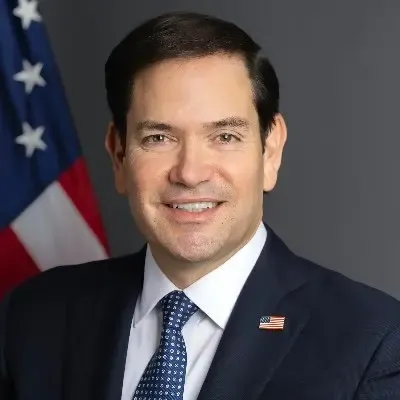
Rubio Predicts Iran Will Be 'Weaker' in Coming Weeks
Synopsis
U.S. Secretary of State Marco Rubio claims the military campaign against Iran is progressing ahead of schedule, with objectives expected to be completed in weeks. This escalation highlights the U.S.'s commitment to dismantling Iran's military capabilities and preventing nuclear threats.
Key Takeaways
U.S. military operations against Iran are progressing ahead of schedule.
Objectives include dismantling Iran's military capabilities.
No ground troops will be used in the operation.
Rubio emphasizes the need for international cooperation post-operation.
Concerns raised about potential Iranian actions in the Strait of Hormuz.
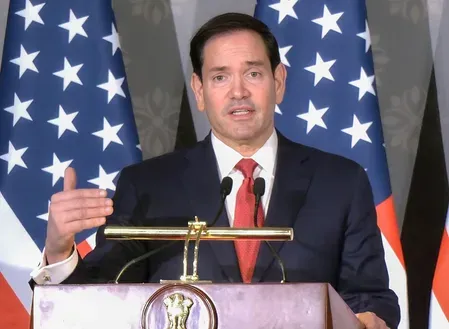
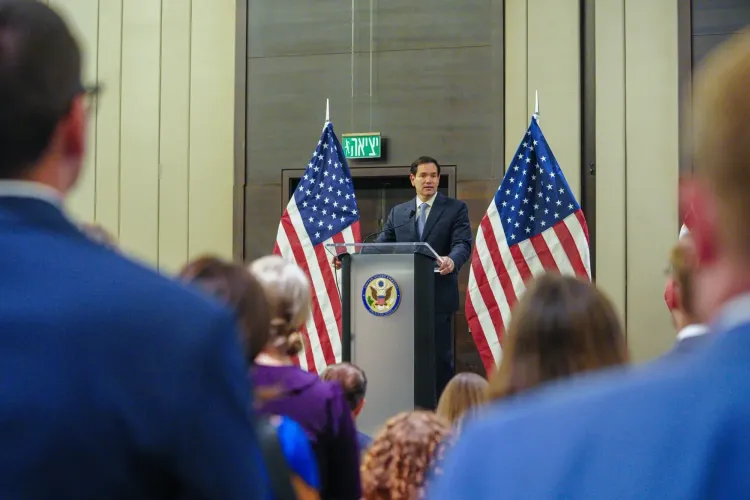
Washington, March 28 (NationPress) U.S. Secretary of State Marco Rubio announced that the United States is “on or ahead of schedule” regarding its military initiatives against Iran. He anticipates accomplishing these goals “within weeks, not months,” indicating a swift intensification in Washington’s strategy against Tehran.
After discussions with G7 partners in Paris, Rubio clarified that the mission was well-defined from the beginning. “Our objectives are to dismantle Iran’s navy, eliminate their air force, and effectively disable their manufacturing capabilities for missiles and drones,” he stated.
Additionally, he noted that this operation aims to “significantly reduce the number of missile launchers so that Iran cannot utilize these to develop nuclear weapons that threaten global security.”
Rubio expressed confidence in the progress made thus far, stating, “We are on or ahead of schedule for this mission, and we expect to complete it promptly, in a few weeks, not months, and the advancement is proceeding very well.” He emphasized the importance of completing the task at hand, asserting, “We are committed to finishing this job.”
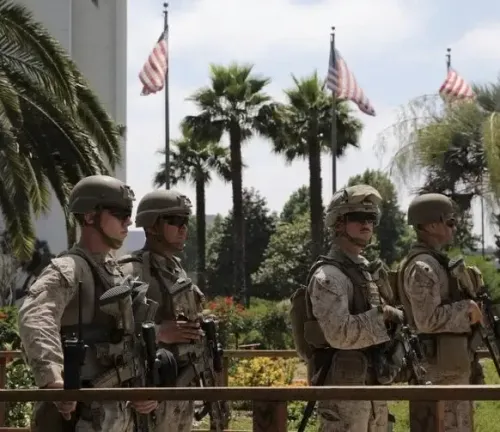
He dismissed the need for ground troops, asserting that the objectives could be achieved “without any ground troops – at all.”
Rubio also cautioned about potential threats following the completion of the operation, especially in the Strait of Hormuz, a vital global oil passage. He indicated that Iran might try to implement a tolling system there, describing such actions as “illegal,” “unacceptable,” and “hazardous to global stability.”
“It is crucial for the world to have a strategy to address this,” Rubio mentioned, adding that while the United States is prepared to be involved, “we don’t have to lead that initiative.”
He stressed that nations beyond the G7, particularly in Asia, have “significant interests and should significantly contribute to this effort” to ensure international waterways are not governed by “a state actor or a terrorist regime.”
Rubio noted strong backing from allies for this approach, stating, “There appeared to be substantial acceptance of this concept… and there was considerable agreement on all of that.”
In defending the broader campaign, Rubio differentiated between the Iranian government and its citizens. “The Iranian people are wonderful individuals. They deserve much better than their current situation,” he remarked, characterizing Iran’s leadership as a “radical, Shia clerical regime.”
He accused the regime of misusing national resources to “fund terrorism, and develop rockets, drones, missiles, and sea mines,” rather than focusing on national development.
“Iran was already in a weakened state. After we conclude our operations over the next few weeks, they will be weaker than they have been in recent history,” Rubio stated. He cautioned that permitting such a regime to obtain nuclear weapons “would be an act of recklessness.”
Regarding the Russia-Ukraine conflict, Rubio reiterated the United States' readiness to facilitate peace negotiations. “We are prepared to take on any constructive role needed to conclude that conflict,” he said, while acknowledging that no meetings are currently on the agenda.
He also suggested that U.S. military supplies allocated for Ukraine could be adjusted if necessary. “If there is a military need for the United States… our priorities will always come first regarding our resources,” he concluded.
Point of View
It is crucial to highlight the seriousness of Secretary Rubio's statements regarding Iran. The U.S. military's approach aims to significantly weaken Iran's capabilities while raising concerns about potential global repercussions, especially in key regions such as the Strait of Hormuz.
NationPress
2 Oct 2026
Frequently Asked Questions
What are the main objectives of U.S. military operations against Iran?
The main objectives include destroying Iran's navy and air force, disabling missile and drone production capabilities, and reducing the number of missile launchers to prevent nuclear weapon development.
What potential risks did Rubio highlight post-operation?
Rubio warned of the possibility that Iran may impose a tolling system in the Strait of Hormuz, which he deemed illegal and dangerous to global stability.
Will ground troops be involved in the U.S. operations?
Rubio stated that the objectives could be achieved without deploying ground troops.
How does Rubio view the Iranian people compared to their government?
Rubio expressed admiration for the Iranian people, stating they deserve better than their current leadership, which he described as a radical regime.
What is the U.S. stance on the Russia-Ukraine conflict?
Rubio reiterated the U.S.'s readiness to assist in peace efforts regarding the Russia-Ukraine war.