Marco Rubio: US Military Goals Against Iran to Conclude Soon
Synopsis
In a bold assertion, Secretary of State Marco Rubio claims the United States will wrap up its military goals related to Iran in a matter of weeks, not months. He emphasizes crucial conditions for peace and warns against Iranian control over strategic waterways. Discover the implications of these developments in this critical update.
Key Takeaways
US military operations against Iran are expected to conclude within weeks.
Washington's core demands include preventing Iran from acquiring nuclear weapons.
Rubio warns against Iranian control of the Strait of Hormuz.
Iran’s military capabilities are being significantly degraded.
Diplomatic negotiations are ongoing amid military operations.
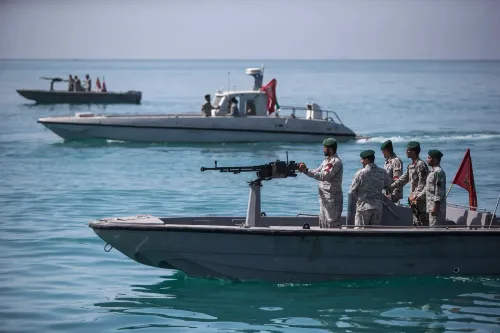
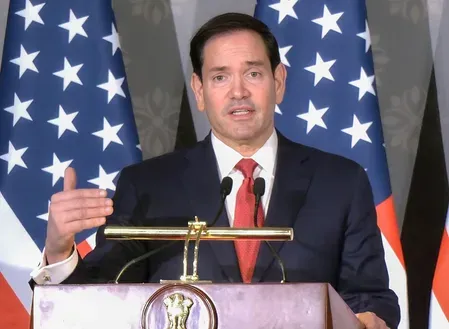
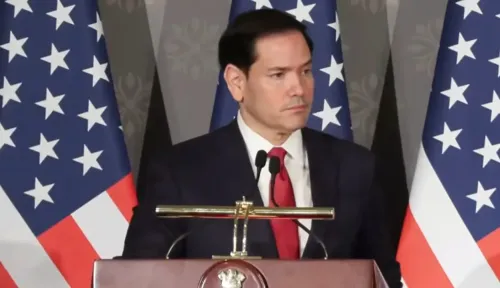
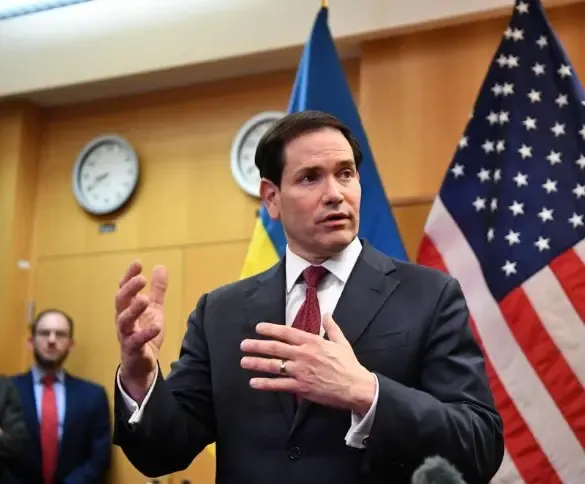
Washington, March 31, (NationPress) The United States anticipates finalizing its military objectives regarding Iran "within weeks, rather than months," stated Secretary of State Marco Rubio. He detailed Washington's stipulations for concluding the conflict and cautioned Tehran against exerting control over vital international waterways.
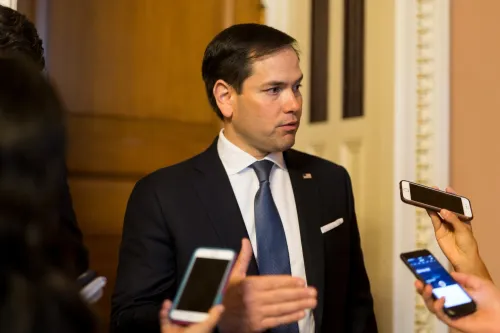
In a recent interview with Al Jazeera on Monday (local time), Rubio revealed that there had been "communications and some direct discussions occurring between certain factions within Iran and the United States, primarily facilitated through intermediaries," even as military operations persist.
He emphasized that Washington's fundamental requirements remain constant: "Iran can never— the Iranian regime must not acquire nuclear weapons, must cease its sponsorship of terrorism, and must halt the development of weaponry that poses threats to neighboring countries."
Rubio asserted that US forces are "well on track or ahead of schedule" in fulfilling their objectives, which include dismantling Iran’s air force and navy, as well as significantly reducing the number of missile launchers at their disposal.
"We will accomplish these objectives... in weeks, not months," he affirmed.
The secretary underscored that any Iranian efforts to assert dominance over the Strait of Hormuz would be intolerable.
"No nation globally can accept such a scenario," he remarked, warning that such a claim could set a troubling precedent for other countries to assert control over international waterways.
"The United States will not tolerate that situation. It's an unlawful demand they are making. That will simply not occur," Rubio added.
He indicated that the strait "will remain accessible, one way or another," either through Iranian adherence to international law or through action taken by an allied coalition of nations.
Rubio also accused Iran of targeting civilian and economic infrastructures across the region, stating, "They have assaulted embassies, diplomatic establishments... airports... energy systems," labeling these actions as "unprecedented."
Characterizing Iran as "the weakest it has been in a decade," he contended that degrading its military capability now is crucial to avert more significant threats in the future.
On diplomacy, Rubio asserted that Tehran must take "visible actions to abandon any ambitions for nuclear weapons" and renounce missile and drone programs.
"If they undertake these actions, then Iran’s future could be promising," he said, while acknowledging that the regime had "rejected that course for decades."
He expressed disappointment with certain NATO allies, noting the denial of airspace and base access during the military operation.
"If NATO is merely about our defense of Europe... but then denies us base rights when we need them, that’s not an effective arrangement," he remarked, signifying that the alliance would need to be "reassessed."
Rubio declared that US objectives do not encompass regime change but acknowledged that Washington would not oppose a change in leadership in Iran if it were to occur.
"That was not the goal of this operation," he stated.
Point of View
This article highlights the urgency of the United States' military operations against Iran. The focus is on diplomatic negotiations and the geopolitical ramifications of Iran's ambitions in controlling key waterways. It underscores the need for international cooperation to ensure regional stability and compliance with international laws.
NationPress
20 Sept 2026
Frequently Asked Questions
What are the US objectives in Iran?
The US aims to ensure that Iran never possesses nuclear weapons, stops sponsoring terrorism, and ceases developing weapons that threaten neighboring countries.
How soon does the US expect to complete military operations?
Secretary of State Marco Rubio stated that the US expects to complete its military objectives in weeks, not months.
What is the US stance on Iranian control over the Strait of Hormuz?
The US views any attempt by Iran to control the Strait of Hormuz as unacceptable and warns that such actions could lead to significant global repercussions.
What does Rubio say about Iran's military capabilities?
Rubio described Iran as weaker than it has been in the last ten years, emphasizing the importance of degrading its military capabilities to prevent future threats.
Will the US support regime change in Iran?
While regime change is not the objective of the US operation, Rubio indicated that Washington would not oppose a change in Iranian leadership if it occurs.