Nepal, Bhutan push Himalayan climate agenda at COP31 in Antalya
Synopsis
Nepal and Bhutan have taken their climate crisis to the global stage, jointly proposing a dedicated Himalayan agenda at COP31 in Antalya. Backed by a $2.7 billion flood damage bill and a glacial lake burst in Bhutan, the two nations are demanding that the world treat the Himalayas — water tower for two billion people — as a distinct climate emergency zone.
Key Takeaways
Nepal and Bhutan have jointly submitted a proposal for a dedicated agenda item titled '1.5-Degree Temperature Rise in the Himalayan Region' at COP31 .
COP31 is scheduled in Antalya, Turkey , from 9 to 20 November 2026 .
Floods in Nepal's Bhotekoshi and Trishuli rivers on 26 August 2026 caused an estimated $2.7 billion in damage; reconstruction is expected to cost a further $4.7 billion .
A glacial lake outburst in Bhutan washed away infrastructure at Gasa Tshachu hot springs, with no casualties reported as of Friday.
Himalayan rivers supply water, food, and energy to more than two billion people downstream.
The proposal calls for an annual high-level mountain-climate dialogue and a formal UNFCCC action plan for Himalayan ecosystems.
Nepal and Bhutan have jointly proposed a dedicated agenda item on temperature rise in the Himalayan region at COP31, the United Nations Climate Change Conference scheduled in Antalya, Turkey, from 9 to 20 November 2026. The proposal, submitted under Rule 12 of the conference's draft rules of procedure, calls for greater international attention to the accelerating climate crisis gripping mountain ecosystems and the billions who depend on them.
What the Proposal Demands
The joint proposal is titled '1.5-Degree Temperature Rise in the Himalayan Region' and was submitted on behalf of both countries by Nepal's Minister for Agriculture, Forests and Environment Geeta Chaudhary. It calls for scientific studies on temperature rise in the Himalayas and the consequences of breaching global warming thresholds.
Beyond research, the two nations have proposed an annual high-level dialogue on mountains and climate change and the launch of a formal process to develop an action plan for Himalayan ecosystems under the United Nations Framework Convention on Climate Change (UNFCCC). They have also urged that mountain region priorities be embedded into global negotiations on climate adaptation, climate finance, and loss and damage.
Why the Himalayas Are a Climate Flashpoint
The proposal warns that changes already under way pose risks of irreversible damage to Himalayan ecosystems. Rivers originating in the region supply water, food, and energy to more than two billion people living downstream, while the Himalayas contain nearly half of the world's important biodiversity areas, according to the submission.
Rising temperatures are accelerating glacier melt across the range, compounding water insecurity and increasing the frequency of extreme weather events. This comes amid a broader pattern of worsening high-altitude disasters that have drawn mounting concern from scientists and governments alike.
Recent Disasters Anchoring the Case
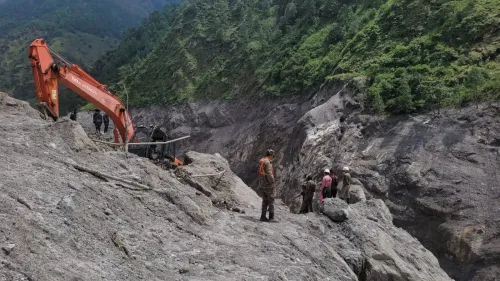
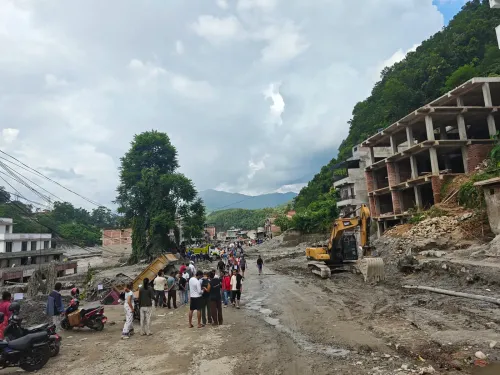
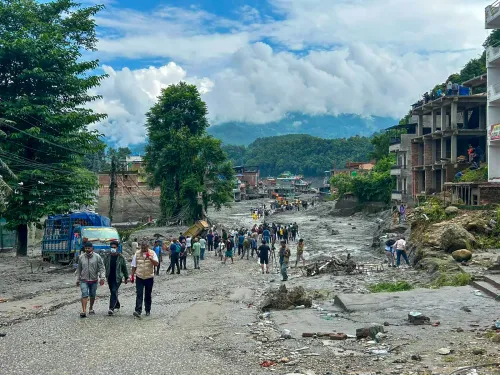
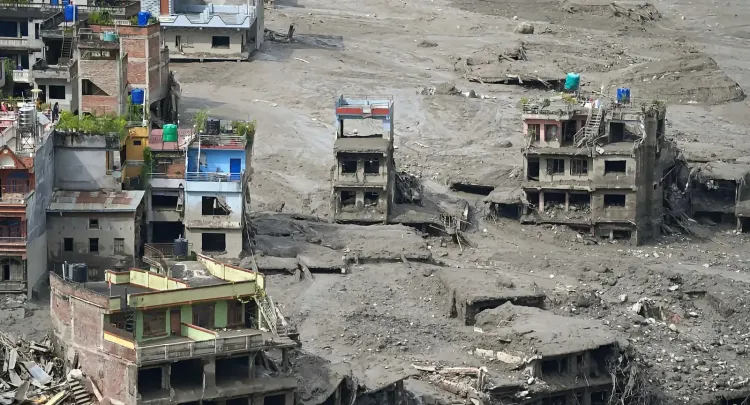
The proposal draws directly on two recent catastrophes to underscore the urgency. On 26 August 2026, devastating floods struck Nepal's Bhotekoshi and Trishuli river systems, triggered by an avalanche that dammed a river upstream. A Rapid Disaster Needs Assessment prepared by the Nepali government estimated the floods caused approximately $2.7 billion in damage, with recovery and reconstruction expected to require a further $4.7 billion.
In Bhutan, a flash flood on Thursday night — triggered by the bursting of the Shintaphu glacial lake — washed away infrastructure at the Gasa Tshachu natural hot springs. No casualties had been reported as of Friday, according to reports. Notably, this is the type of glacial lake outburst flood (GLOF) that scientists have long warned will become more frequent as Himalayan temperatures rise.
The Larger Stakes at COP31
Mountain nations have historically struggled to secure dedicated space within the sprawling COP agenda, where the concerns of larger emitters and low-lying island states tend to dominate. The Nepal-Bhutan joint submission is a strategic move to change that dynamic — arriving at a moment when loss-and-damage financing and adaptation funding are among the most contested items on the global climate table.
If accepted, the agenda item would represent the first formal UNFCCC-level acknowledgement of the Himalayan region as a distinct climate zone requiring tailored international action. The outcome at Antalya will be closely watched by other mountain nations across the Hindu Kush-Himalayan belt.
Point of View
And mountain nations have historically been drowned out by louder blocs. The $2.7 billion damage figure from Nepal's August floods is not just a statistic — it is a negotiating lever designed to make the Himalayan case undeniable. What is missing from the current proposal is a binding ask: annual dialogues and scientific studies are welcome, but without a specific financing target or a timeline for the UNFCCC action plan, the initiative risks becoming a symbolic win rather than a structural one. The real test is whether larger emitters, who bear the greatest historical responsibility for Himalayan warming, will agree to treat the region as a distinct climate zone — or absorb it into the broader adaptation conversation where it can be quietly deprioritised.
NationPress
31 Oct 2026
Frequently Asked Questions
What has Nepal and Bhutan proposed at COP31?
Nepal and Bhutan have jointly proposed a dedicated agenda item titled '1.5-Degree Temperature Rise in the Himalayan Region' at COP31, scheduled in Antalya, Turkey from 9 to 20 November 2026. The proposal calls for scientific studies, an annual high-level mountain-climate dialogue, and a formal UNFCCC action plan for Himalayan ecosystems.
Why are Nepal and Bhutan raising the Himalayan climate issue at COP31?
Both countries have suffered severe climate-related disasters in 2026 — devastating floods in Nepal's Bhotekoshi and Trishuli rivers in August, and a glacial lake outburst in Bhutan. They argue that rising temperatures are accelerating glacier melt and threatening the water, food, and energy security of more than two billion people who depend on Himalayan rivers.
How much damage did the Nepal floods cause in August 2026?
Floods in Nepal's Bhotekoshi and Trishuli river systems on 26 August 2026 caused an estimated $2.7 billion in damage, according to a Rapid Disaster Needs Assessment by the Nepali government. Recovery and reconstruction are expected to require an additional $4.7 billion.
What happened in Bhutan's glacial lake outburst flood?
A flash flood triggered by the bursting of the Shintaphu glacial lake struck Bhutan on Thursday night, washing away infrastructure at the Gasa Tshachu natural hot springs. No casualties had been reported as of Friday, according to reports.
What specific actions are Nepal and Bhutan calling for under their COP31 proposal?
The two countries are calling for scientific studies on Himalayan temperature rise, an annual high-level dialogue on mountains and climate change, a UNFCCC-led action plan for Himalayan ecosystems, and the integration of mountain region priorities into global negotiations on climate adaptation, climate finance, and loss and damage.