Nepal budget 2026-27: Tax cuts, AI hub plan and foreign investment push

Synopsis
Nepal's NPR 2.124 trillion budget for 2026-27 doubles the personal income tax exemption threshold, slashes the top tax rate by 10 percentage points, and bets on hydropower-powered AI computing — a striking echo of India's own February 2025 tax overhaul, but with a distinctly Himalayan twist.
Key Takeaways
Finance Minister Swarnim Wagle presented a NPR 2.124 trillion budget for fiscal year 2026-27 on 29 May in Kathmandu .
Income tax exemption threshold raised from NPR 500,000 to NPR 1 million ; maximum personal tax rate cut from 39% to 29% .
Customs duties reduced on 273 industrial raw materials ; customs tiers streamlined from 11 to 7 .
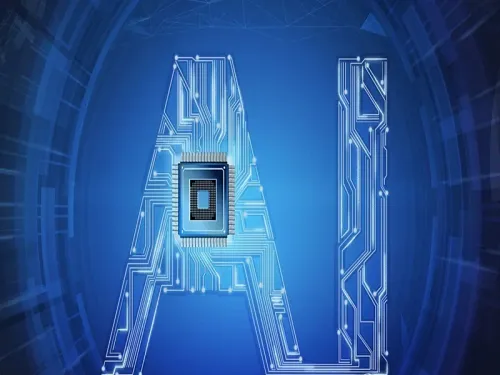
Nepal's first Sovereign AI Compute Centre to be established in Kathmandu , powered by clean hydropower.
Minimum foreign investment threshold to be removed under an amended Foreign Investment and Technology Transfer Act .
Nepal Enterprise Facility to be launched to support startups and SMEs within a unified national ecosystem.
Nepal's Finance Minister Swarnim Wagle on Friday, 29 May unveiled a NPR 2.124 trillion budget for fiscal year 2026-27 at a joint session of Parliament in Kathmandu, announcing sweeping income tax relief, a sovereign AI computing centre, and a liberalised foreign investment regime. The measures draw notable parallels with tax reforms introduced by the Indian government in February 2025.
Major Tax Relief for Individuals and Businesses
The most significant personal finance change is the doubling of the income tax exemption threshold — from NPR 500,000 to NPR 1 million annually. At the same time, the maximum personal income tax rate has been slashed by 10 percentage points, dropping from 39 per cent to 29 per cent, directly easing the burden on salaried professionals and the middle class.
On the corporate side, customs duties on 273 types of industrial raw materials have been reduced, with the government ensuring that tariffs on raw materials remain at least one tier below those on finished goods. The existing 11-tier customs structure has been streamlined into seven tiers. 'To support domestic industries, customs duties on 273 types of industrial raw materials have been reduced, ensuring that tariffs on raw materials remain at least one level lower than those on finished goods,' Minister Wagle said. 'The existing 11-tier customs structure has also been streamlined into seven tiers.'
Nepal's AI and Digital Economy Ambitions
In a headline-grabbing move, the budget outlines an ambitious plan to position Nepal as a regional technology hub. The government will establish the country's first Sovereign AI Compute Centre in Kathmandu, backed by increased investment in AI infrastructure and digital innovation. Wagle argued that Nepal's substantial clean hydropower resources could serve as the energy foundation for high-value AI computing services — a framing that connects the country's traditional energy strength to its emerging tech aspirations.
Plans also include establishing IT parks in major cities, expanding high-speed internet infrastructure, and offering tax incentives for digital service exports. Notably, the government will introduce clear legal provisions enabling individuals to work remotely from Nepal for foreign employers, a move aimed at attracting global remote-work opportunities and retaining talent within the country.
Foreign Investment Reforms and Fintech Push
To improve the investment climate, the government plans to amend the Foreign Investment and Technology Transfer Act to remove the minimum investment threshold for foreign investors — a barrier that critics had long flagged as a deterrent to smaller but high-potential ventures. 'Foreign investment procedures will be fully digitised, and the One Stop Service Centre will be strengthened to improve the investment climate,' Wagle said.
A fintech marketplace will also be established under the supervision of the Nepal Rastra Bank, the country's central bank, signalling intent to formalise and scale the digital financial services sector.
Startup Ecosystem and the India Parallel
The budget introduces the Nepal Enterprise Facility, a platform designed to integrate startups, small enterprises, and medium-sized enterprises into the national ecosystem. 'The platform will advance, in an integrated manner, policy arrangements related to entrepreneurship, identification of and access to innovative financial instruments, support networks including incubation services, and campaigns promoting domestic enterprises,' Wagle said.
The overall thrust of the budget — income tax threshold hikes, rate reductions, and a push for digital infrastructure — mirrors the direction taken by India's Union Budget presented in February 2025, where the Centre similarly raised the personal income tax exemption limit and prioritised technology investment. Nepal's new fiscal year begins in mid-July.
With the budget now tabled, implementation details and sectoral guidelines are expected to be fleshed out in the weeks ahead, as Nepal looks to translate its ambitious fiscal roadmap into measurable economic outcomes.
Point of View
But the real test will be whether the One Stop Service Centre can deliver on its promise; it has existed in various forms for years without transforming the FDI climate. The AI compute centre is the boldest bet: if Nepal can genuinely leverage cheap, clean hydropower to undercut regional data-centre costs, it could attract serious capital. If it remains a line in a budget speech, it joins a long list of South Asian tech-hub aspirations that never cleared the infrastructure hurdle.
NationPress
23 Sept 2026
Frequently Asked Questions
What is the total size of Nepal's budget for 2026-27?
Nepal's budget for fiscal year 2026-27 totals NPR 2.124 trillion, presented by Finance Minister Swarnim Wagle at a joint session of Parliament on 29 May. The new fiscal year begins in mid-July.
How has Nepal changed its personal income tax rules?
The income tax exemption threshold has been doubled from NPR 500,000 to NPR 1 million annually, meaning individuals earning below NPR 1 million will pay no income tax. The maximum personal income tax rate has also been cut by 10 percentage points, from 39 per cent to 29 per cent.
What is Nepal's Sovereign AI Compute Centre?
It is the country's first dedicated AI computing facility, to be established in Kathmandu as part of the 2026-27 budget. The government plans to power it using Nepal's clean hydropower resources, positioning AI-driven services as a high-value export.
What changes are being made to attract foreign investment to Nepal?
The government plans to amend the Foreign Investment and Technology Transfer Act to remove the minimum investment threshold for foreign investors. Investment procedures will also be fully digitised and the One Stop Service Centre strengthened to simplify approvals.
How does Nepal's budget compare to India's recent tax reforms?
Nepal's moves — raising the income tax exemption threshold and cutting the top rate — closely parallel steps taken by the Indian government in its Union Budget of February 2025, where India similarly raised the personal tax exemption limit and prioritised technology investment. Analysts have noted the structural similarities in approach.