Nepal Implements Tax Cuts on Petroleum Products to Relieve Consumer Strain
Synopsis
In a bid to alleviate the financial burden on consumers, Nepal's new government has unveiled a plan to reduce taxes on petroleum products, emulating a similar initiative by India. This decision is expected to help manage rising fuel costs amid global oil supply disruptions.
Key Takeaways
Nepal's government has announced tax cuts on petroleum products.
A 50% reduction in customs duties and infrastructure taxes has been approved.
The initiative aims to ease consumer financial burden amid rising oil prices.
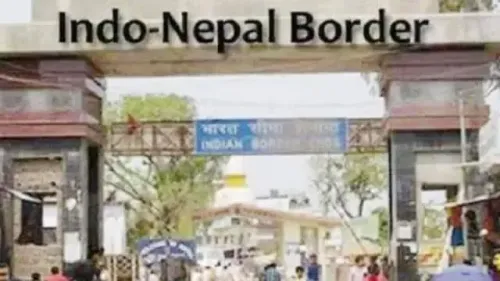
Nepal is entirely dependent on India for its refined fuel.
In the last fiscal year, fuel accounted for Nepal’s largest import at NPR 288 billion.
Kathmandu, April 7 (NationPress) The recently formed government in Nepal announced on Tuesday a plan to implement partial tax reductions on petroleum products aimed at alleviating the financial pressure on consumers, following a similar action taken by India.
A Cabinet session conducted on Tuesday sanctioned a 50% reduction in customs duties and infrastructure taxes applied to petrol, diesel, and kerosene, as reported by Minister for Federal Affairs and General Administration Pratibha Rawal during a press briefing. "This decision will be officially documented in the Nepal Gazette," she confirmed.
Currently, petrol incurs a customs duty of NPR 25.23 per litre, while diesel is taxed at NPR 12.02 per litre. Additionally, an infrastructure tax of NPR 10 per litre is applicable to both fuel types. Beyond these two taxes, the government also imposes several other levies including Value-Added Tax (VAT), road maintenance tax, price stabilization fund charges, pollution tax, and green tax.
Due to ongoing conflicts among the United States, Israel, and Iran, oil supply has been interrupted at the Strait of Hormuz, a critical passageway that accounts for approximately 20% of the global oil supply.
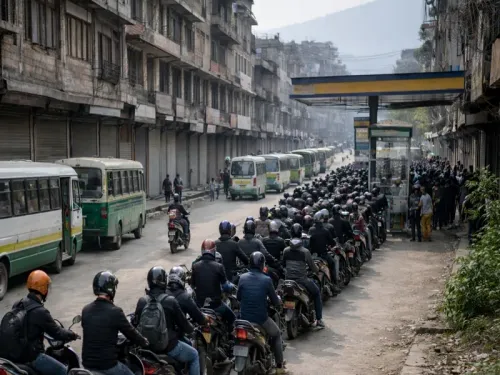
This disruption has resulted in a spike in international oil prices, leading to escalated transportation and insurance costs, which in turn has driven up the prices of goods reliant on transportation. Asian nations have been particularly impacted due to their heavy dependence on oil imports from the Gulf region.
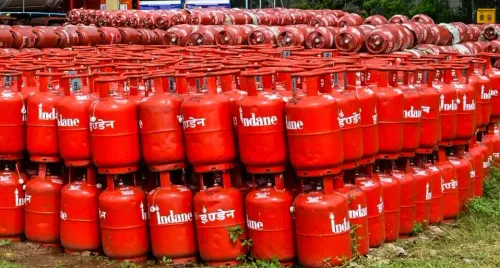
While Nepal does not directly import petroleum products from the Gulf or other areas, it is entirely dependent on India for its refined fuel. However, India itself is grappling with challenges related to fuel imports. In late March, the Indian government lowered excise duties on petrol and diesel by INR 10 per litre each, adjusting them to INR 3 per litre for petrol and zero for diesel.
During the last fiscal year, Nepal’s petroleum product imports totaled NPR 288 billion, with fuel being the country’s largest import commodity.
Point of View
It is evident that Nepal's decision to cut taxes on petroleum products is a strategic response to both domestic economic pressures and international market fluctuations. This approach reflects a commitment to prioritizing consumer welfare amidst challenging circumstances.
NationPress
14 Oct 2026
Frequently Asked Questions
What tax reductions has the Nepal government announced?
The Nepal government has approved a 50% reduction in customs duties and infrastructure taxes on petrol, diesel, and kerosene.
Why has Nepal cut taxes on petroleum products?
The tax cuts are intended to alleviate the financial burden on consumers in light of rising oil prices and global supply disruptions.
How does Nepal acquire its petroleum products?
Nepal relies entirely on India for its refined petroleum products, as it does not import directly from the Gulf or other regions.
What impact could these tax cuts have on consumers?
The tax cuts may lead to lower fuel prices, which could help reduce transportation costs and overall prices of goods.
What are the current taxes on petrol and diesel in Nepal?
Currently, petrol has a customs duty of NPR 25.23 per litre, while diesel is taxed at NPR 12.02 per litre, alongside an infrastructure tax of NPR 10 per litre for both.