Nepal condemns Saudi Aramco Shaybah drone attack that killed Nepali worker

Synopsis
A Nepali and a Filipino worker were killed when drone debris fell on a contractor's vehicle outside Saudi Aramco's Shaybah oil field — deep in the Empty Quarter desert. Nepal's foreign ministry issued a formal condemnation, spotlighting the deadly exposure faced by the country's 1.8 million Gulf-based migrant workers and renewing calls for civilian protection amid the ongoing Yemen-Saudi conflict.
Key Takeaways
Nepal's Ministry of Foreign Affairs formally condemned the drone attack on Saudi Aramco's Shaybah oil field on Thursday, 23 October 2025 .
A Nepali national and a Filipino national were killed when debris from an intercepted drone fell on a contractor's vehicle near the facility on Wednesday .
A Pakistani and an Indian national were injured in the same incident.
The Shaybah oil field is located in Saudi Arabia's Rub' al-Khali desert, near the border with the United Arab Emirates .
Nepal has approximately 1.8 million nationals working in the Gulf region, with remittances forming a critical pillar of the national economy.
The incident highlights persistent risks to migrant workers amid the ongoing Yemen-Saudi conflict and Houthi drone campaign.
Nepal's Ministry of Foreign Affairs on Thursday, 23 October 2025, strongly condemned a drone attack targeting Saudi Aramco's Shaybah oil field in Saudi Arabia that killed a Nepali national and a Filipino national after debris from an intercepted drone fell on a contractor's vehicle near the facility. The incident, which occurred on Wednesday morning, also left a Pakistani and an Indian national injured.
What Happened at Shaybah
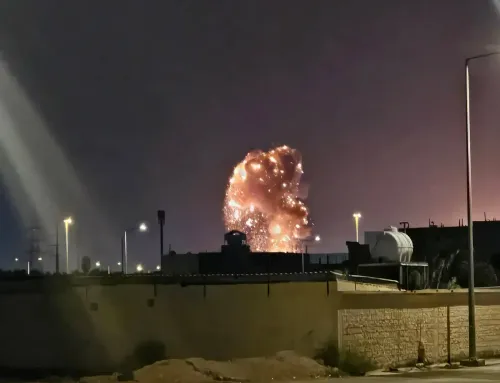
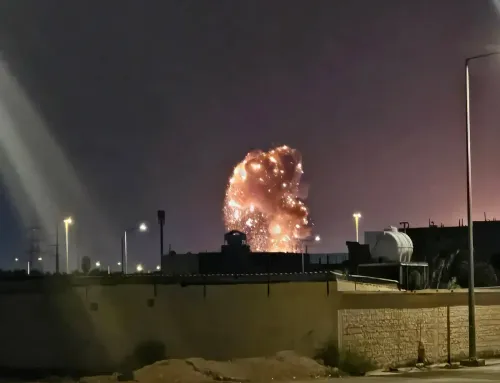
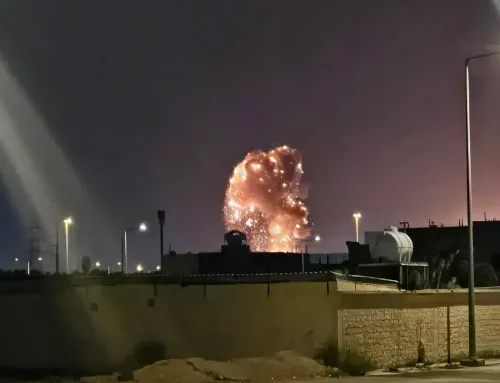
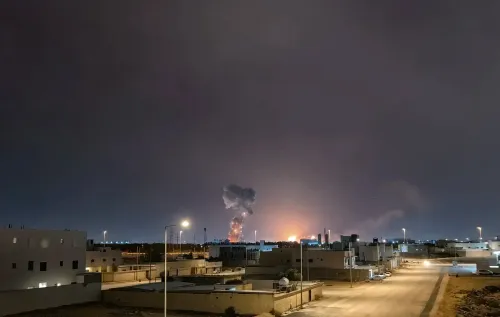
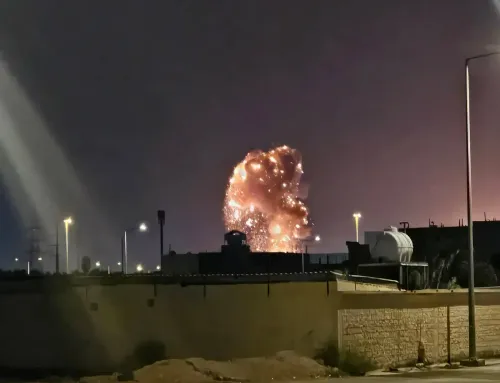
According to Saudi Arabia's Ministry of Energy, Saudi air defences intercepted a drone that was attempting to strike a facility at the Shaybah oil field. The interception caused debris to fall onto a vehicle belonging to a contractor working at the site, located outside the facility's perimeter, triggering a fire.
The attack killed two foreign nationals — one Nepali and one Filipino — while two others, a Pakistani and an Indian, were injured. The Shaybah oil field is located deep in Saudi Arabia's Rub' al-Khali, or Empty Quarter, desert near the border with the United Arab Emirates, and is a critical component of the kingdom's energy infrastructure.
Nepal's Formal Condemnation
In a social media post on Thursday, Nepal's foreign ministry said: 'Nepal reiterates its unequivocal condemnation of all attacks targeting civilians and critical infrastructure.' The ministry expressed deep sorrow over the death of the Nepali citizen, extending heartfelt condolences to the bereaved family and wishing for the speedy recovery of all those injured.
The ministry reaffirmed Nepal's principled stand, stating the country 'continues to call for the peaceful resolution of disputes through dialogue, negotiation and diplomatic engagement.'
Regional Security Context
The incident comes amid heightened regional security concerns over missile and drone attacks targeting Saudi Arabia, including its airports, military installations, and energy facilities. Yemen-based Houthi rebels, who control large parts of conflict-ravaged Yemen and have been fighting the Saudi-backed Yemeni government for years, have repeatedly targeted Saudi infrastructure in this manner. No group had formally claimed responsibility for this specific strike, according to available reports.
Risk to Nepal's Gulf Diaspora
The latest incident underscores the risks faced by the large community of foreign workers in the Gulf region. Nepal has approximately 1.8 million nationals residing across the Gulf, the vast majority of them migrant workers employed in energy, construction, services, and other sectors.
Nepal's economy is heavily dependent on remittances sent by these workers — transfers that support household spending, sustain domestic consumption, and contribute significantly to national income. Nepal has consistently called for the protection of civilians and civilian infrastructure during armed conflicts, a position that also reflects its strong interest in safeguarding its nationals working abroad and upholding international humanitarian law.
Diplomatic observers note this is not the first time Nepali workers have been caught in the crossfire of the Yemen-Saudi conflict; the incident adds fresh urgency to calls for enhanced safety protocols for migrant workers in high-risk zones across the Gulf.
Point of View
But the real test is whether it translates into bilateral agreements with Gulf employers on emergency evacuation protocols and insurance for workers in conflict-adjacent zones — something most labour export agreements still do not adequately cover.
NationPress
22 Oct 2026
Frequently Asked Questions
What happened at Saudi Aramco's Shaybah oil field?
On Wednesday morning, Saudi air defences intercepted a drone targeting the Shaybah oil field. The interception caused debris to fall on a contractor's vehicle outside the facility, killing a Nepali national and a Filipino national and injuring a Pakistani and an Indian national.
Where is the Shaybah oil field located?
The Shaybah oil field is a major petroleum production facility operated by Saudi Aramco, located deep in Saudi Arabia's Rub' al-Khali (Empty Quarter) desert, near the border with the United Arab Emirates. It is a significant contributor to Saudi Arabia's energy output and global oil supplies.
Why did Nepal issue a formal condemnation?
Nepal condemned the attack because one of its nationals was killed in the incident. The Ministry of Foreign Affairs reiterated its unequivocal opposition to attacks on civilians and critical infrastructure and called for peaceful resolution of disputes through dialogue and diplomacy.
How many Nepali workers are in the Gulf region?
Nepal has approximately 1.8 million nationals residing in the Gulf region, according to the Ministry of Foreign Affairs. The majority are migrant workers, and their remittances are a critical source of income for Nepali households and the broader national economy.
Who is believed to be behind drone attacks on Saudi energy facilities?
Yemen-based Houthi rebels, who control large parts of Yemen and have been fighting the Saudi-backed Yemeni government for years, have repeatedly targeted Saudi Arabia's airports, military installations, and energy infrastructure with missiles and drones. No group had formally claimed responsibility for the specific Shaybah attack at the time of reporting.