Nepal flash floods: Rasuwa victim identification process explained by Indian Embassy
Synopsis
Hundreds remain dead and unidentified after the 26 August Bhote Koshi flash flood in Rasuwa — and Nepal has temporarily interred many remains to prevent a health crisis. For families of foreign nationals, the Indian Embassy has now mapped out a DNA-first identification process that could take weeks, underscoring the scale of a disaster that crossed international borders before it struck Nepal.
Key Takeaways
The Indian Embassy in Kathmandu on 1 September detailed Nepal's official procedure for identifying and repatriating foreign nationals killed in the Rasuwa flash floods .
The identification process includes documentation, post-mortem, fingerprinting, DNA sampling , and passport verification , followed by a formal handover memo.
Nepal authorities have carried out temporary interment of a large number of remains to prevent health risks; unidentified cases require DNA matching with first-degree relatives .
Families can submit DNA profiles by email to dnacodis@nepalpolice.gov.np or eoikathmandufloodsupport@gmail.com , or by providing blood samples to Nepali authorities.
The flood originated in Tibet, China on 26 August and swept through the Bhote Koshi River , killing hundreds including foreign nationals in Rasuwa.
Embassy helplines: +977 985 131 6807 , +977 970 910 7500 , +977 981 032 6117 ; Nepal Police DNA helpline: +977 9841 6160 95 .
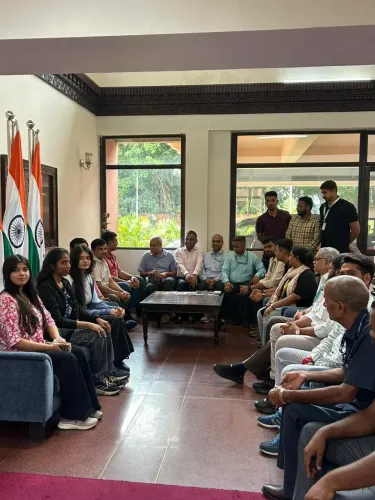
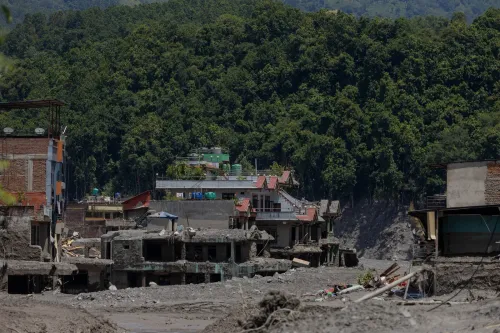
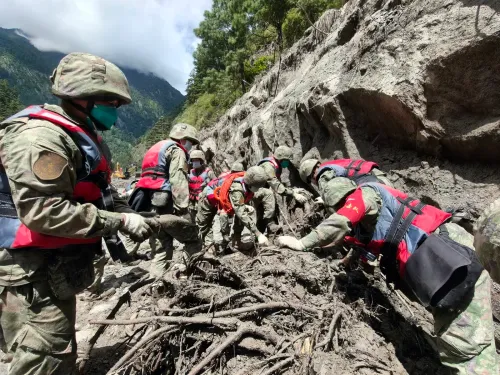
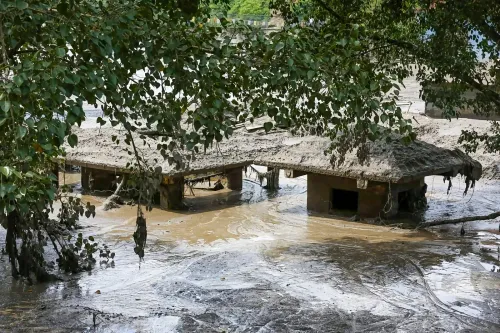
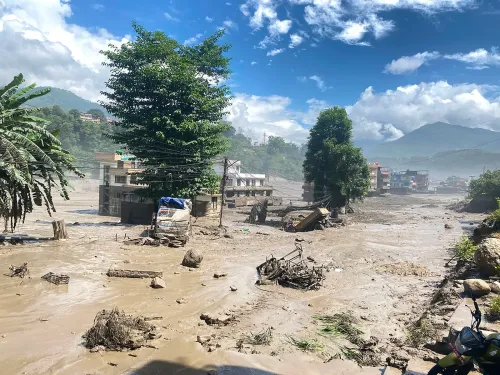
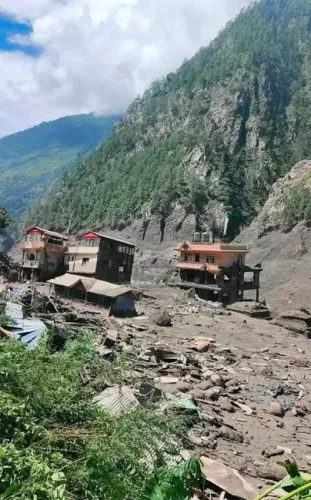
The Indian Embassy in Kathmandu on Monday, 1 September outlined the official procedures established by the Government of Nepal for identifying and repatriating the mortal remains of foreign nationals killed in the devastating flash floods that struck Rasuwa district. The floods, which originated in the Tibetan region of China on 26 August, swept through the transboundary Bhote Koshi River, leaving hundreds dead — including foreign nationals — and causing widespread destruction across the Himalayan nation.
Step-by-Step Identification Process
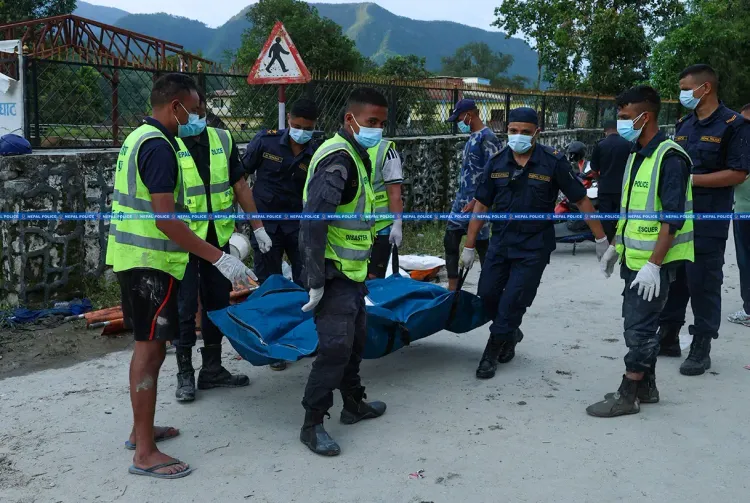
According to the Embassy, Nepal authorities have established a multi-stage procedure before mortal remains can be formally handed over to families or missions. The process begins with documentation of the mortal remains, including recorded photographs and descriptive details, followed by a post-mortem examination to determine the cause of death.
Subsequent steps include formally establishing the identity of the deceased through fingerprint collection, DNA sampling, and other forensic procedures, as well as passport verification. The process concludes with coordination between Nepal authorities and the relevant Embassy or consular officials, culminating in a formal handover or release memo and receipt.
Role of the Indian Embassy
The Embassy confirmed that where family members are able to identify remains through photographs and descriptions available on the Nepal Police website, Embassy officials in Kathmandu will assist in coordinating with local authorities for the handover and repatriation of those remains. The mission has released dedicated helpline numbers for affected families: +977 985 131 6807, +977 970 910 7500, and +977 981 032 6117.
DNA Matching for Unidentified Remains
Nepal authorities have carried out temporary interment of a large number of mortal remains to prevent health risks. For cases where visual identification is not possible, the Embassy stated that DNA matching with first-degree relatives will be required.
'The identification of such remains would require DNA matching with first-degree relatives,' the Embassy said. Families can submit DNA profiles by email to dnacodis@nepalpolice.gov.np or eoikathmandufloodsupport@gmail.com, or by providing blood samples along with preliminary information required by Nepali authorities. Nepal Police's helpline for DNA-related queries is +977 9841 6160 95, and further details are available on the Nepal Police website.
Background: The Rasuwa Flash Floods
The catastrophic flood that inundated Rasuwa on 26 August was triggered by a glacial or cloudburst event in the Tibetan region of China, sending a torrent of water and debris down the Bhote Koshi River into Nepal. The transboundary nature of the disaster complicated early warning and response. Hundreds of people, including foreign nationals, are reported dead, with many remains yet to be identified. This comes amid growing concern among families of Indian and other foreign nationals who were in the region — a popular trekking and transit corridor — at the time of the disaster.
What Families Should Do Next
Families of foreign nationals who remain unaccounted for are urged to contact the Indian Embassy in Kathmandu through the helpline numbers provided, check Nepal Police's website for photographs and descriptions of recovered remains, and prepare to submit DNA samples if visual identification is not possible. The Embassy has indicated it will continue to facilitate coordination with Nepali authorities as the identification process progresses.
Point of View
Lethal in Nepal — exposes the persistent gap in cross-border disaster early-warning systems between China, Nepal, and India. That gap is not new: the Bhote Koshi corridor has flooded before, and the absence of a real-time alert mechanism from the Chinese side has been flagged repeatedly. The DNA-first identification protocol now in place is operationally sound, but it places the burden almost entirely on grieving families to initiate contact — a process that assumes internet access, awareness of official channels, and bureaucratic readiness that many affected families in remote areas may not have. The deeper accountability question — why hundreds of people, including foreign nationals, were in a high-risk flood corridor without adequate warning — deserves as much scrutiny as the repatriation logistics.
NationPress
1 Sept 2026
Frequently Asked Questions
What is the process for identifying foreign nationals killed in the Nepal Rasuwa floods?
Nepal authorities have established a multi-step process that includes documentation of remains, post-mortem examination, fingerprinting, DNA sampling, passport verification, and coordination with the relevant Embassy before a formal handover memo is issued. The Indian Embassy in Kathmandu is assisting Indian nationals' families through this process.
How can families submit DNA samples for flood victims in Nepal?
Families can send DNA profiles by email to dnacodis@nepalpolice.gov.np or eoikathmandufloodsupport@gmail.com. Alternatively, blood samples along with preliminary information required by Nepali authorities can be submitted in person. Nepal Police's DNA helpline is +977 9841 6160 95.
Why have Nepal authorities temporarily interred many flood victims?
Nepal authorities carried out temporary interment of a large number of mortal remains to prevent health risks in the aftermath of the disaster. For these cases, identification will require DNA matching with first-degree relatives, as visual identification may not be possible.
Where did the Rasuwa flash flood originate, and when did it occur?
The flash flood originated in the Tibetan region of China on 26 August and swept through the transboundary Bhote Koshi River into Nepal's Rasuwa district, killing hundreds of people including foreign nationals and causing widespread destruction.
What helpline numbers has the Indian Embassy in Kathmandu released for flood-affected families?
The Indian Embassy in Kathmandu has released three helpline numbers: +977 985 131 6807, +977 970 910 7500, and +977 981 032 6117. Families can also contact Nepal Police's DNA coordination helpline at +977 9841 6160 95.