Netanyahu Critiques Erdogan Amid Ongoing Iran Conflict
Synopsis
In a striking verbal confrontation, Israeli PM Benjamin Netanyahu criticizes Turkish President Erdogan for alleged atrocities against Kurds while supporting Iran. As US-Iran negotiations unfold in Pakistan, tensions rise between the two nations, reflecting a complex geopolitical landscape.
Key Takeaways
Netanyahu's remarks illustrate rising tensions between Turkey and Israel.
Turkey's Erdogan has been accused of serious human rights violations.
US-Iran negotiations in Pakistan are crucial for regional stability.
Pakistan's mediation efforts highlight its diplomatic role.
The geopolitical landscape remains fragile amidst these events.
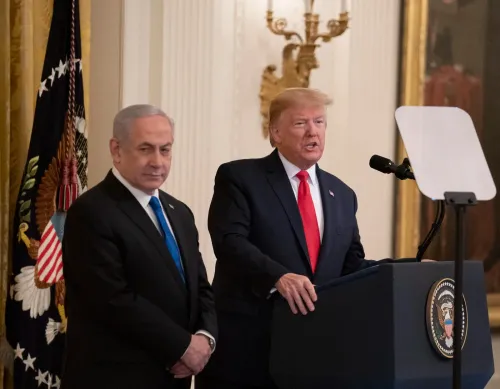
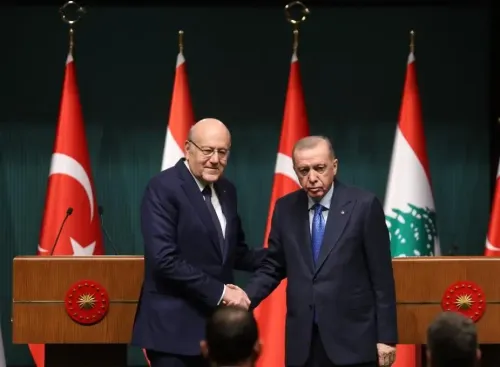
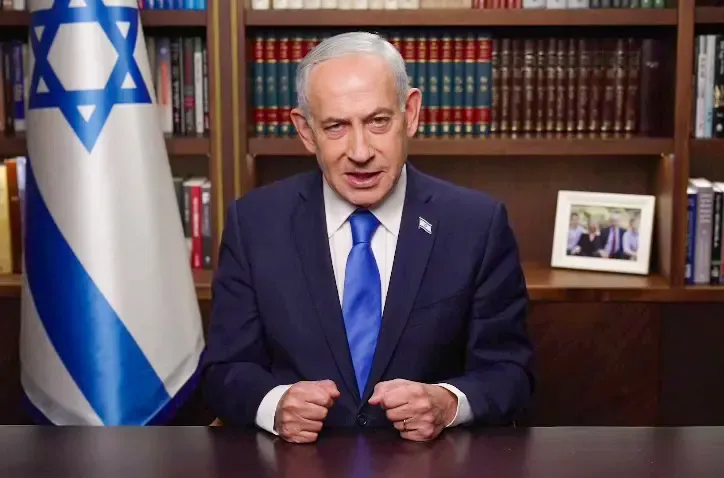
Doha, April 11 (NationPress) Israeli Prime Minister Benjamin Netanyahu fiercely criticized Turkish President Recep Tayyip Erdogan on Friday, accusing him of "massacring his own Kurdish citizens" while supporting Iran's "terror regime".
This statement from the Jewish Prime Minister emerges as crucial US-Iran discussions are taking place in Islamabad.
In a post on X, Netanyahu asserted: "Under my leadership, Israel will relentlessly combat Iran's terror regime and its affiliates, unlike Erdogan, who accommodates them and has perpetrated atrocities against his own Kurdish population."
This verbal assault followed reports indicating that Turkish prosecutors are seeking sentences totaling nearly 4,596 years for Netanyahu and other Israeli officials, alleging crimes against humanity and genocide related to the Gaza conflict and the interception of the Sumud flotilla in 2025.
Netanyahu's comments come amid an alarming rise in tensions between Turkey and Israel.
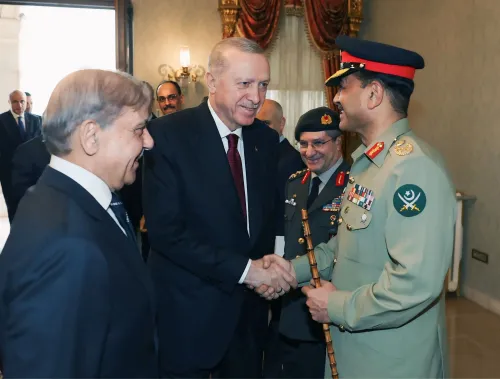
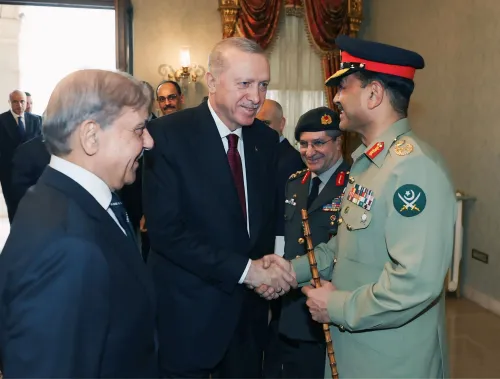
Erdogan previously remarked that Turkey would have entered the ongoing regional conflict "if not for Pakistan’s mediation," acknowledging Islamabad’s diplomatic influence.
The exchange of hostilities coincides with Pakistan facilitating face-to-face discussions between US and Iranian delegations in Islamabad, negotiations made possible by Pakistan's effective mediation for a two-week ceasefire.
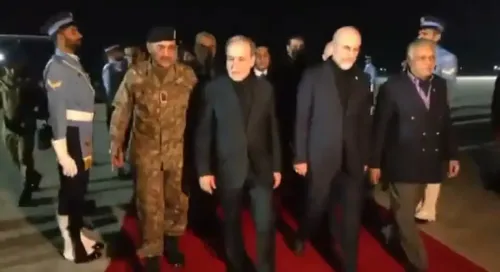
To ensure the safety of the visiting delegations, Pakistan has deployed over 10,000 security personnel in the capital with comprehensive protective measures.
The Serena Hotel in the Red Zone has been secured for the diplomats, with the army and paramilitary forces overseeing all entry points.
The Iranian delegation, which includes Parliament Speaker Mohammad Bagher Ghalibaf and Foreign Minister Abbas Araghchi, arrived under stringent VVIP protocols.
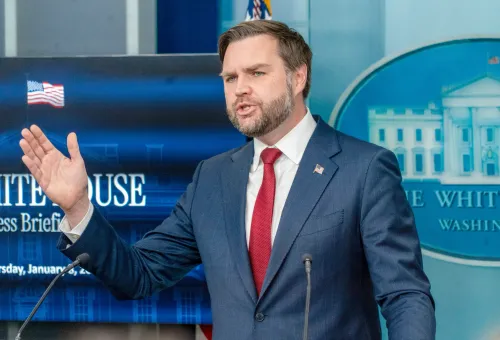
The US delegation is led by Vice President J.D. Vance.
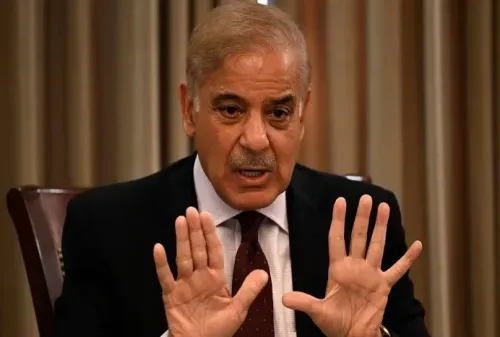
Pakistani Prime Minister Shehbaz Sharif has met with both delegations, highlighting the country’s "unique role" as a "trusted mediator" for all involved parties.
Reports indicate that the US rejected Iran’s initial 10-point proposal, and upcoming discussions are expected to concentrate on Iran's nuclear ambitions, relief from sanctions, and maritime security in the Strait of Hormuz.
Point of View
While Erdogan's response underscores Turkey's strategic positioning. As negotiations between the US and Iran unfold in Pakistan, the potential for further conflict looms, warranting careful monitoring.
NationPress
19 Sept 2026
Frequently Asked Questions
What sparked Netanyahu's criticism of Erdogan?
Netanyahu criticized Erdogan for allegedly massacring Kurdish citizens while supporting Iran's terror regime amidst ongoing US-Iran negotiations.
What is the significance of the US-Iran negotiations?
The negotiations aim to address Iran's nuclear program, sanctions relief, and maritime security in the Strait of Hormuz, impacting regional stability.
How has Pakistan played a role in these discussions?
Pakistan has facilitated face-to-face talks between US and Iranian delegations and has deployed significant security measures to ensure the safety of the meetings.