Pak Army Chief Asim Munir vows to crush BLA, TTP while rebuilding LeT, JeM: Intel
Synopsis
Pakistan Army Chief Asim Munir is publicly vowing to crush the BLA and TTP — but Indian intelligence officials allege he is simultaneously directing the rebuilding of LeT and JeM, the very terror infrastructure destroyed in Operation Sindoor. With launchpads in PoK reportedly housing nearly 1,000 terrorists and ISKP allegedly being empowered, the gap between Munir's rhetoric and reported actions has rarely looked wider.
Key Takeaways
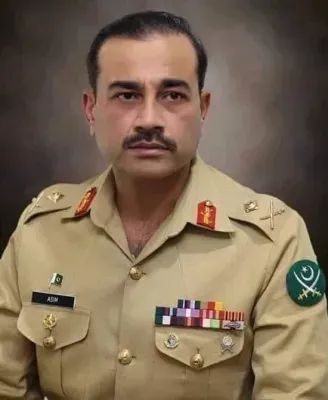
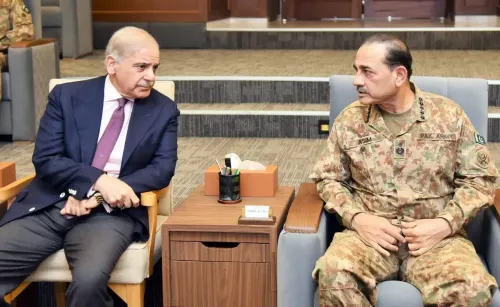
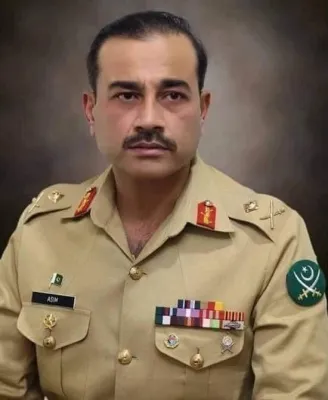
Pakistan Army Chief Field Marshal Asim Munir pledged to eliminate terrorism during a visit to Corps Headquarters, Peshawar , but officials say his remarks were limited to the BLA and TTP .
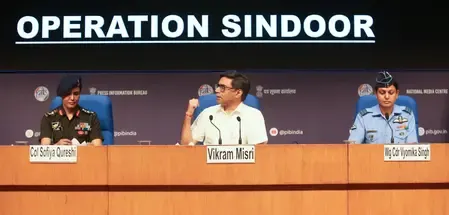
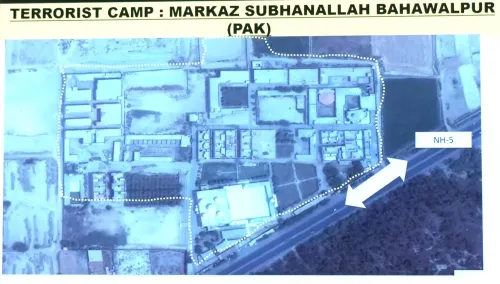
Indian intelligence officials allege Munir has directed the rebuilding of Lashkar-e-Taiba (LeT) , Jaish-e-Mohammed (JeM) , and Hizbul Mujahideen — infrastructure reportedly destroyed in Operation Sindoor in May 2025 .
Munir reportedly held meetings with Pakistan Army , ISI , and terror group representatives post-Operation Sindoor to reconstitute these outfits.
Posters featuring Munir alongside senior Lashkar commanders have reportedly appeared in Lahore ; senior operatives Talha Saeed and Sari Yakoob Sheikh have allegedly praised him openly.
Counter-terrorism experts allege Munir proposed involving the ISKP in operations against TTP and BLA, raising concerns about regional destabilisation.
Intelligence reports indicate launchpads in PoK house nearly 1,000 terrorists awaiting infiltration into Jammu and Kashmir .
Pakistan Army Chief Field Marshal Asim Munir publicly pledged to eliminate terrorism during a visit to the Corps Headquarters in Peshawar, even as Indian intelligence officials allege that Munir has simultaneously directed the rebuilding of globally designated terror outfits Lashkar-e-Taiba (LeT) and Jaish-e-Mohammed (JeM) — groups whose infrastructure was reportedly dismantled during Operation Sindoor in May 2025. The apparent contradiction, according to officials familiar with the matter, underscores a deep strategic duplicity at the heart of Pakistan's counter-terrorism posture.
Munir's Anti-Terror Pledge and Its Limits
Officials indicate that Munir's anti-terrorism remarks were specifically directed at the Balochistan Liberation Army (BLA) and Tehreek-e-Taliban Pakistan (TTP), both of which have inflicted significant casualties on Pakistani security forces in Balochistan and Khyber Pakhtunkhwa (KP). Crucially, according to these officials, Munir's statements conspicuously omit any reference to LeT, JeM, or Hizbul Mujahideen.
An Intelligence Bureau official said Munir would not mention LeT or JeM when speaking about terrorism. 'Instead, he has publicly stated that the terrorist activities in Jammu and Kashmir are part of a legitimate struggle. This itself clearly shows that terror outfits such as the Lashkar and Jaish have open backing of the system both on the military and political front,' the official said.
Rebuilding Terror Infrastructure Post Operation Sindoor
According to Indian intelligence assessments, following Operation Sindoor, Munir convened a series of meetings with the top brass of the Pakistan Army, the Inter-Services Intelligence (ISI), and representatives of the terror groups themselves. The meetings reportedly focused on reconstituting the infrastructure of LeT, JeM, and Hizbul Mujahideen that was destroyed during the Indian armed forces' operation.
Officials also noted that posters and signboards featuring Munir alongside senior Lashkar commanders have reportedly surfaced in Lahore. Senior Lashkar operatives, including Talha Saeed and Sari Yakoob Sheikh, have allegedly praised Munir openly. Another official said Munir has 'done everything under the sun to legitimise these terror groups' and has sought to be projected as a hero by them, reportedly suggesting at a recent meeting that these groups should rally behind him.
The Balochistan Dimension
Pakistan observers have questioned whether Munir's hardline approach in Balochistan is strategically sound. The BLA continues to draw widespread popular sympathy in the region, with supporters arguing that the movement's demands — access to basic amenities, greater development, and a larger share of revenues from Balochistan's natural resources — are legitimate grievances. Critics argue that Munir's crackdown orders across Balochistan, Pakistan-occupied Kashmir (PoK), and Khyber Pakhtunkhwa have compounded rather than resolved the unrest.
ISKP Factor and Escalating Regional Risk
Counter-terrorism experts have raised an additional alarm, alleging that Munir proposed involving the Islamic State Khorasan Province (ISKP) — historically a sworn enemy of Pakistan — alongside LeT and Pakistani security forces in operations against the TTP and BLA. Experts warn that the ISKP's reported empowerment under Munir's backing poses a serious danger to regional stability. 'The Islamic State is a banned outfit and poses an immense danger to the region if it becomes stronger,' they cautioned.
Jammu and Kashmir: The Primary Focus
Indian officials assess that Munir's immediate public statements about defeating terrorism are driven partly by domestic pressure, but his primary strategic focus remains Jammu and Kashmir. According to intelligence reports, Munir has instructed senior officials to coordinate with LeT and JeM operatives at launchpads in PoK, where reportedly close to 1,000 terrorists are waiting to facilitate infiltration into Jammu and Kashmir. Officials said Munir is expected to continue backing these groups in attempts to carry out major attacks.
The allegations, if accurate, point to a calculated Pakistani military strategy of selectively targeting militant groups that challenge state authority while simultaneously nurturing those that serve its cross-border agenda.
Point of View
A level of directness that signals a shift in how New Delhi is choosing to frame its Pakistan narrative. The ISKP angle is the underreported dimension: co-opting a group that was historically hostile to the Pakistani state carries enormous blowback risk that Munir may be underestimating. If the launchpad numbers in PoK are accurate, the security calculus for Jammu and Kashmir has deteriorated significantly since Operation Sindoor — suggesting the military operation, while tactically successful, has not resolved the strategic problem.
NationPress
23 Sept 2026
Frequently Asked Questions
What did Pakistan Army Chief Asim Munir say about terrorism?
Field Marshal Asim Munir pledged to eliminate terrorism during a visit to Corps Headquarters in Peshawar, with his remarks reportedly directed at the BLA and TTP. Indian intelligence officials allege, however, that his statements conspicuously omit any reference to LeT or JeM, and that he has privately described militant activity in Jammu and Kashmir as a 'legitimate struggle.'
What is Operation Sindoor and why is it relevant?
Operation Sindoor was a military operation conducted by Indian armed forces in May 2025 that reportedly destroyed the infrastructure of Lashkar-e-Taiba, Jaish-e-Mohammed, and Hizbul Mujahideen inside Pakistan and PoK. Indian intelligence officials now allege that Asim Munir has been directing the rebuilding of this very infrastructure through a series of meetings with the Pakistan Army, ISI, and the terror groups themselves.
What is the allegation about Lashkar-e-Taiba commanders and Munir?
According to intelligence officials, posters featuring Munir alongside senior Lashkar-e-Taiba commanders have surfaced in Lahore, and senior operatives including Talha Saeed and Sari Yakoob Sheikh have openly praised him. Officials allege Munir has instructed these groups to rally behind him and has sought to be projected as a hero by them.
What is the alleged role of ISKP in Pakistan's strategy?
Counter-terrorism experts allege that Munir proposed involving the Islamic State Khorasan Province (ISKP) — historically a sworn enemy of Pakistan — alongside Lashkar-e-Taiba and Pakistani security forces in operations against the TTP and BLA. Experts warn this has emboldened the ISKP and poses a serious destabilising risk to the broader region.
What is the current security situation in Jammu and Kashmir according to Indian intelligence?
Indian intelligence reports allege that launchpads in Pakistan-occupied Kashmir currently house approximately 1,000 terrorists awaiting infiltration into Jammu and Kashmir. Officials assess that Munir is expected to continue backing LeT and JeM in attempts to carry out major attacks, making J&K his primary strategic focus despite his public anti-terrorism rhetoric.