Pakistan among 21 nations where HIV infections are still rising in 2025
Synopsis
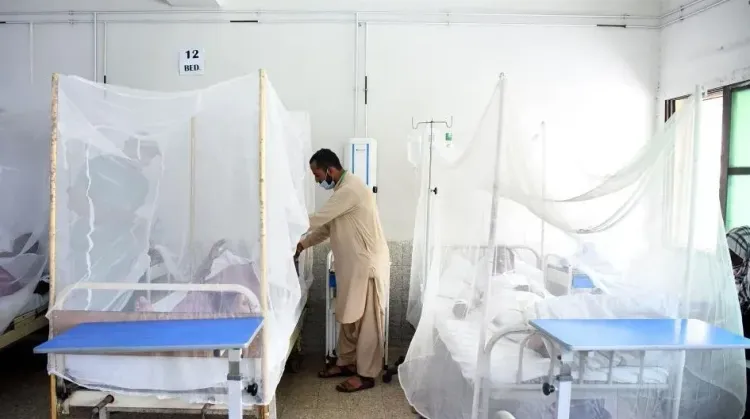
While the world has made real progress against HIV, Pakistan stands out for the wrong reason — new infections have climbed more than 20% since 2010. A sharp 18% drop in global HIV funding in 2025 now threatens to make things worse, just as Pakistan races to secure a $50 million Global Fund grant to keep its response alive.
Key Takeaways
Pakistan is among only 21 countries where new HIV infections are still rising, according to a report published in The News Pakistan .
New HIV infections in Pakistan increased by more than 20 per cent between 2010 and 2025 .
Global external financing for HIV programmes fell 18 per cent in 2025 compared with 2024 , disrupting prevention and testing services.
An estimated 41 million people were living with HIV globally at the end of 2025 ; 1.2 million new infections were recorded during the year.
Pakistan is seeking more than $50 million from the Global Fund under Grant Cycle 8 to fund HIV, tuberculosis, and malaria interventions.
Pakistan is among only 21 countries worldwide where new HIV infections continue to climb, even as the global community has made measurable progress in containing the epidemic, according to a report published in The News Pakistan. The findings arrive at a precarious moment: international funding for HIV programmes fell sharply in 2025, threatening to undo years of hard-won gains.
Pakistan's Rising Infection Curve
Between 2010 and 2025, Pakistan recorded a rise of more than 20 per cent in new HIV infections, according to the report. The country is grouped alongside Bangladesh, Afghanistan, Brazil, Egypt, and the Philippines as nations where the epidemic continues to expand rather than contract. This places Pakistan in a troubling minority at a time when most of the world is moving in the opposite direction.
Global Funding Cuts Threaten Progress
The report warns that the global HIV response has entered a fragile phase following unprecedented funding reductions in 2025. External financing for HIV programmes fell 18 per cent compared with 2024, disrupting prevention programmes, HIV testing, community-led services, and other essential interventions across many low- and middle-income countries. While several nations have managed to sustain antiretroviral treatment by mobilising domestic resources, HIV prevention programmes remain acutely vulnerable given their heavy dependence on external funding.
Pakistan's Global Fund Bid
Against this backdrop, Pakistan is preparing a Grant Cycle 8 funding request to the Global Fund, seeking more than $50 million for HIV interventions as part of a broader proposal that also covers tuberculosis and malaria. The proposed grant is intended to support antiretroviral treatment, HIV testing, laboratory strengthening, medicines and diagnostics procurement, disease surveillance, prevention programmes for high-risk groups, and efforts to eliminate mother-to-child transmission of HIV. The outcome of this funding request could prove decisive for the country's ability to reverse its upward infection trend.
The Global Picture in 2025
Globally, an estimated 41 million people were living with HIV at the end of 2025, according to the report. Approximately 1.2 million people acquired the virus during the year, while 570,000 died from AIDS-related illnesses. Experts warn that if the funding shortfall is not addressed urgently, the number of new infections and deaths could rise further in the years ahead, particularly in countries already on an adverse trajectory like Pakistan.
What Needs to Happen Next
The report underscores that restoring investment — both from international donors and domestic governments — is critical to preventing a reversal of decades of progress. For Pakistan specifically, securing the Global Fund grant and complementing it with stronger domestic financing will be essential steps. Without these measures, the country risks deepening an already worsening public health crisis.
Point of View
And whether Pakistan's domestic health budget has kept pace with a worsening epidemic. Without that reckoning, the next grant cycle risks funding the same structural gaps.
NationPress
30 Jul 2026
Frequently Asked Questions
Why is Pakistan's HIV situation considered alarming?
Pakistan recorded a rise of more than 20 per cent in new HIV infections between 2010 and 2025, placing it among only 21 countries worldwide where the epidemic is still expanding. This stands in stark contrast to global trends, where most nations have managed to reduce new infections.
Which other countries are on the list of rising HIV infections?
Alongside Pakistan, the report lists Bangladesh, Afghanistan, Brazil, Egypt, and the Philippines among the few nations where HIV infections continue to increase rather than decline.
How have global funding cuts affected HIV programmes?
External financing for HIV programmes fell 18 per cent in 2025 compared with 2024, disrupting prevention programmes, HIV testing, and community-led services in many low- and middle-income countries. Prevention programmes are considered especially at risk because they rely heavily on external funding rather than domestic budgets.
What is Pakistan's Grant Cycle 8 request to the Global Fund?
Pakistan is seeking more than $50 million from the Global Fund under Grant Cycle 8 to support HIV interventions, including antiretroviral treatment, HIV testing, laboratory strengthening, disease surveillance, and prevention programmes for high-risk groups. The request is part of a broader proposal that also covers tuberculosis and malaria.
How many people are living with HIV globally as of 2025?
An estimated 41 million people were living with HIV at the end of 2025, according to the report. During the year, approximately 1.2 million people acquired the virus and 570,000 died from AIDS-related illnesses.