What Led to the Detention of 180 Baloch Individuals in Pakistan?
Synopsis
A significant crackdown in Balochistan has led to the detention of 180 individuals following violent clashes. Authorities claim over 216 rebels were killed, with serious implications for the region's security. Residents face curfews and internet restrictions amid the unrest, raising concerns over human rights violations.
Key Takeaways
Crackdown in Balochistan has led to 180 detentions Claims of over 216 Baloch rebels killed Local curfews imposed to manage unrest Concerns over human rights violations BLA claims military successes during clashes
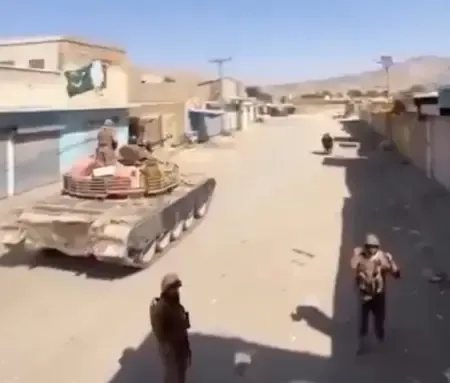
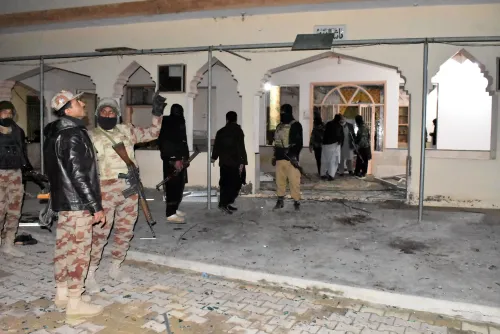
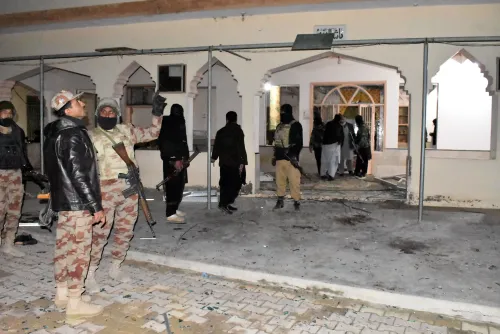
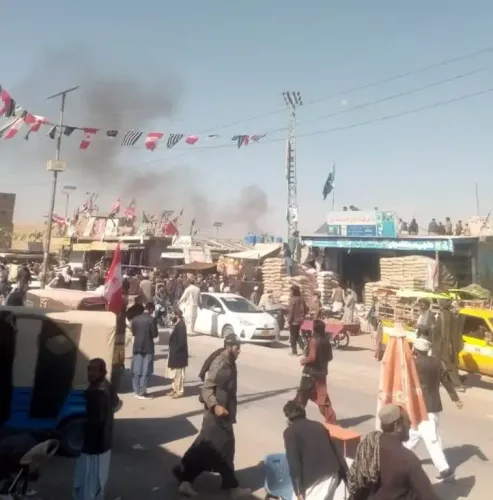
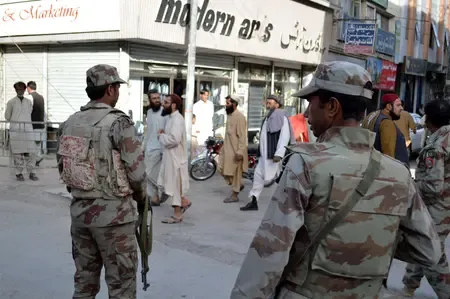
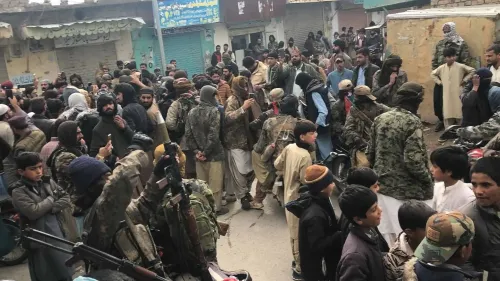
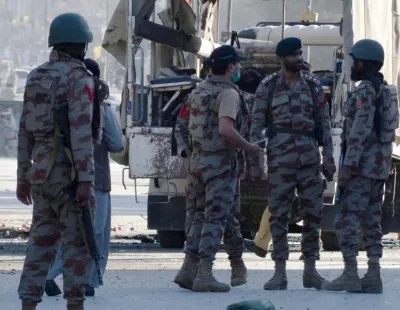
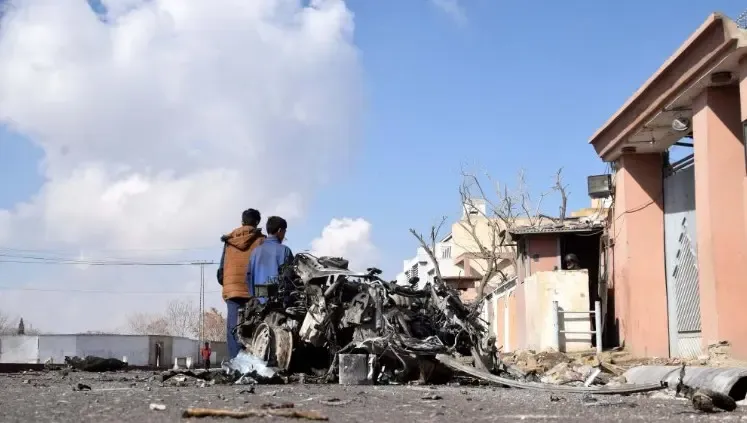
Quetta, Feb 8 (NationPress) Following a series of violent confrontations between Baloch insurgents and Pakistani security forces, the government in Islamabad has launched a comprehensive crackdown in Balochistan, resulting in the arrest of no fewer than 180 individuals, as reported by local media on Sunday.
Officials indicated that around 180 suspects were apprehended during synchronized operations by the Frontier Corps and police following assaults in various cities across Balochistan.
The prominent daily Dawn reported that security forces also seized a considerable stockpile of firearms and ammunition in the course of these operations.
These security activities, which reportedly commenced last Saturday, led to claims from Pakistani officials that at least 216 Baloch rebels perished during the operations. However, numerous media sources have also indicated that several civilians might have lost their lives amid the ongoing security efforts.
In a statement released to the press on February 6, Baloch Liberation Army (BLA) spokesperson Jeeyand Baloch asserted that the organization had successfully accomplished its “predefined objectives” during the latest round of assaults.
He characterized the operation as targeting 14 cities throughout Balochistan and labeled it the “largest, most intense, and most organized military operation” ever conducted by the group, according to a report from The Balochistan Post.
The spokesperson reported that Baloch fighters executed coordinated strikes across multiple sites and, in certain regions, were able to gain control over security posts, military installations, and sections of urban settings.
He also noted that in various cities, BLA units maintained their positions for up to six consecutive days, which he described as compelling Pakistani security forces into a “sustained retreat.”
Further, he asserted that these developments caused what the group regarded as political, psychological, and military setbacks for the state.
The BLA spokesperson claimed that 93 Baloch fighters were killed during the operation, including 50 members of the Majeed Brigade, 26 from the Fateh Squad, and 17 from the Special Tactical Operations Squad.
He added that all major operational units of the organization participated in the campaign, including the aforementioned groups, as well as ZIRAB, which the BLA identifies as its intelligence division, and Hakkal, recognized as its media division.
The statement also alleged that over 362 members of Pakistani security forces were killed during the confrontations.
The spokesperson claimed these casualties encompassed individuals from the Pakistan Army, Frontier Corps, police, and those he characterized as belonging to state-supported armed groups.
Amid the escalating security situation, authorities in Noshki have imposed a daily curfew from 5 p.m. to 9 a.m. Officials reported that announcements regarding the curfew were made via mosque loudspeakers to ensure that residents were informed of the restrictions.
Noshki has experienced substantial strain for several days, with schools and government offices largely closed and routine public activities disrupted. Officials indicated that the curfew is likely to further limit movement as security forces persist with their operations in the area, according to The Balochistan Post.
Residents and local officials have also reported that mobile internet services have been entirely suspended in Quetta and several other regions of Balochistan amid the ongoing security crisis. Rail services in some areas have been reportedly halted as authorities heightened security measures.
Meanwhile, the Balochistan government on Tuesday cautioned of potential legal action against the relatives of individuals suspected of involvement in armed activities, a move that has attracted attention in an already tense environment in the province.
Human rights organizations and local activists have consistently voiced concerns over such measures, noting that similar actions have been documented in the past.
They have highlighted instances where relatives and family members of individuals accused of involvement in Baloch armed groups were allegedly detained or forcibly disappeared, particularly in cases associated with suicide attacks.
Recent years have also seen reports involving relatives of commanders and members linked with the Baloch pro-independence organization Baloch Liberation Army, according to The Balochistan Post.
One such incident involved the brother of BLA leader Bashir Zeb, who was reported missing last year after allegedly being taken from Quetta, where he was employed. Authorities have not released any public statements regarding this case.
Point of View
We remain committed to providing an unbiased perspective on the developments in Balochistan. While the actions taken by authorities appear aimed at restoring order, we must also consider the implications for human rights and the lives of the individuals involved. Our focus will remain on delivering accurate information and fostering understanding amidst these complex circumstances.
NationPress
19 Sept 2026
Frequently Asked Questions
What triggered the crackdown in Balochistan?
The crackdown was initiated following intense clashes between Baloch insurgents and Pakistani security forces, leading to significant unrest in the region.
How many individuals have been detained?
Authorities report that at least 180 individuals have been detained during the security operations in Balochistan.
What are the implications of the curfew in Noshki?
The curfew imposed from 5 p.m. to 9 a.m. aims to control the situation but has significantly restricted public movement and access to services.
What human rights concerns have been raised?
Human rights organizations express concern over potential violations, including the detention of relatives of suspected insurgents.
What is the response of the Baloch Liberation Army?
The BLA claims to have achieved significant military objectives during the clashes, asserting that they have forced Pakistani security forces into a retreat.