Pakistan housing deficit hits 15.23 million units, mortgage market at 0.3% of GDP
Synopsis
Pakistan's real housing deficit is not 2.77 million homes — it is 15.23 million, once substandard 'kacha' and 'semi-pakka' structures are stripped out. With over 60 per cent of the population under 30 and a mortgage market at just 0.3 per cent of GDP — against India's 10–11 per cent — the country's housing finance gap is as acute as its physical one.
Key Takeaways
Pakistan requires approximately 41.1 million housing units for its 259 million people, but only 38.34 million units exist — a quantitative gap of 2.77 million homes.
When 32.5 per cent of substandard 'kacha' and 'semi-pakka' units are excluded, the deficit of acceptable housing rises to an estimated 15.23 million units.
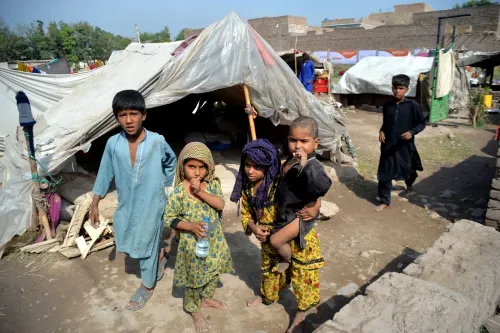
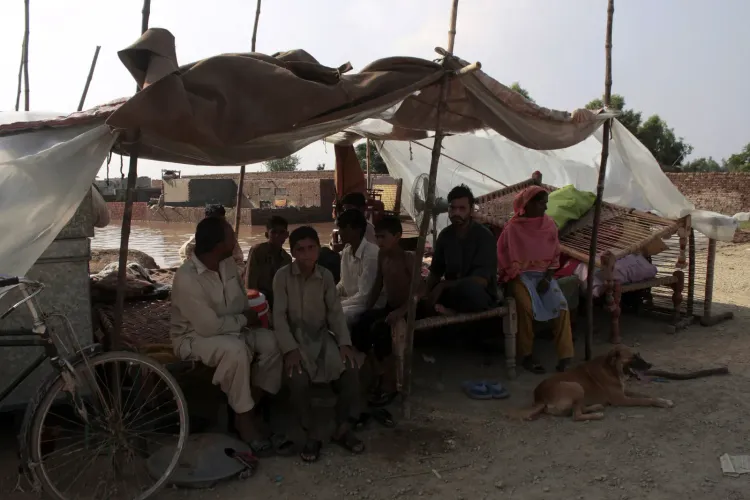
The shortfall is absorbed through overcrowding, shared residences, and informal settlements ( katchi abadis ), not outright homelessness.
More than 60 per cent of Pakistan's population is under 30 , sustaining long-term housing demand.
Pakistan's mortgage finance stands at just 0.25–0.30 per cent of GDP, compared with 10–11 per cent in India and 30–40 per cent in Malaysia.
Pakistan faces a severe housing crisis, with an estimated deficit of 15.23 million acceptable homes when substandard structures are factored in, according to a new report cited by the Karachi-headquartered Business Recorder. The country's 259 million population requires roughly 41.1 million housing units — a figure derived from the Pakistan Bureau of Statistics (PBS) 2023 Census average household size of 6.3 persons — yet the Seventh Digital Population and Housing Census records only 38.34 million existing units, leaving a quantitative shortfall of approximately 2.77 million homes.
The Quality Gap Beneath the Numbers
The raw deficit understates the true scale of the problem. Of Pakistan's existing housing stock, 32.5 per cent comprises 'kacha' or 'semi-pakka' structures — dwellings built from mud, thatch, or mixed materials that fall below durable habitability standards. Once these substandard units are excluded, the country's stock of durable housing shrinks to approximately 25.9 million units, widening the real deficit to an estimated 15.23 million acceptable homes.
How the Shortfall Is Being Absorbed
Despite the scale of this deficit, widespread homelessness has not materialised — at least not in its most visible form. The gap is largely absorbed through overcrowded households, shared family residences, incremental self-construction, and informal settlements known as katchi abadis. The report points out that Pakistan's housing challenge is therefore not simply a question of unit count, but one of quality, safety, sanitation, and long-term habitability — dimensions that aggregate statistics tend to obscure.
Demographic Pressure Set to Intensify Demand
Pakistan's demographic profile offers little relief on the demand side. More than 60 per cent of the population is under the age of 30, representing a large and growing pipeline of first-time homebuyers entering the market over the coming decades. Urbanisation, continued population growth, and new household formation are structural forces that will sustain — and likely intensify — housing demand well into the future.
Mortgage Market Among the Least Developed Globally
Despite these structural pressures, formal mortgage finance in Pakistan remains critically underdeveloped. Outstanding mortgage credit accounts for only 0.25–0.30 per cent of gross domestic product (GDP) — a figure that stands in stark contrast to peer economies. The Philippines records approximately 5.1 per cent, India sits at 10–11 per cent, Indonesia at 12.2 per cent, and Malaysia at 30–40 per cent, according to the report.
This underdevelopment means that a substantial share of housing demand continues to be met outside the formal financial system — through informal credit, family transfers, and incremental construction — limiting the multiplier effect that a mature mortgage market could generate across construction, employment, manufacturing, and broader financial sector development. How Pakistan bridges this gap between demographic reality and financial infrastructure will define its housing trajectory for a generation.
Point of View
Sanitation-adequate housing for a rapidly urbanising population. What makes this particularly acute is the near-absence of a formal mortgage market: at 0.25–0.30 per cent of GDP, Pakistan has no financial scaffolding to convert latent demand into bankable transactions. Without mortgage deepening, the demographic dividend of a young population becomes a demographic liability — millions of would-be homeowners priced out of formal markets and pushed into incrementally built, substandard stock. The comparison with India, Indonesia, and Malaysia is damning not just statistically, but in terms of policy ambition.
NationPress
25 Aug 2026
Frequently Asked Questions
What is Pakistan's total housing deficit?
Pakistan faces a quantitative shortfall of approximately 2.77 million homes, but the real deficit of acceptable, durable housing is estimated at 15.23 million units once substandard 'kacha' and 'semi-pakka' structures — which make up 32.5 per cent of existing stock — are excluded. The data comes from the Seventh Digital Population and Housing Census and the PBS 2023 Census.
Why is Pakistan's housing shortage so severe?
Pakistan's shortage stems from a combination of rapid population growth, urbanisation, and a near-absent formal mortgage market. With 259 million people and over 60 per cent of the population under 30, housing demand is structurally high, but formal finance to meet that demand — at just 0.25–0.30 per cent of GDP — is critically underdeveloped.
How does Pakistan's mortgage market compare with other countries?
Pakistan's outstanding mortgage finance accounts for only 0.25–0.30 per cent of GDP, far below the Philippines (5.1 per cent), India (10–11 per cent), Indonesia (12.2 per cent), and Malaysia (30–40 per cent). This gap means most housing demand is met outside the formal financial system.
If millions of homes are missing, why isn't homelessness more visible in Pakistan?
The deficit is largely absorbed through overcrowded households, multi-family shared residences, incremental self-construction, and informal settlements called katchi abadis. This masks the shortage in headline terms but perpetuates poor quality, inadequate sanitation, and unsafe living conditions for a large share of the population.
What does Pakistan's young population mean for future housing demand?
With more than 60 per cent of Pakistan's population under the age of 30, a large wave of first-time homebuyers is expected to enter the market over the coming decades. Combined with ongoing urbanisation and new household formation, this demographic pressure is likely to intensify the housing shortage unless supply and mortgage finance expand significantly.