Pakistan halts gold mining in Khyber Pakhtunkhwa over terrorism financing claims
Synopsis
Pakistan has shut down all mining in Khyber Pakhtunkhwa after its Governor alleged that 90 kilos of gold — worth Rs 4.2 billion a month — was being extracted from Kohat district, with 80 per cent of proceeds reportedly flowing to Afghanistan and financing militant groups. The crackdown follows a gunfight that killed 10 police officers and 18 militants, and comes amid emergency federal rule in the already volatile province.
Key Takeaways
Pakistan has suspended all mining in Khyber Pakhtunkhwa and cancelled gold mining leases as of 21 November 2026 .
Governor Faisal Karim Kundi alleged that 90 kilos of gold worth Rs 4.2 billion was being extracted monthly from Kohat district , with 80% of proceeds sent to Afghanistan.
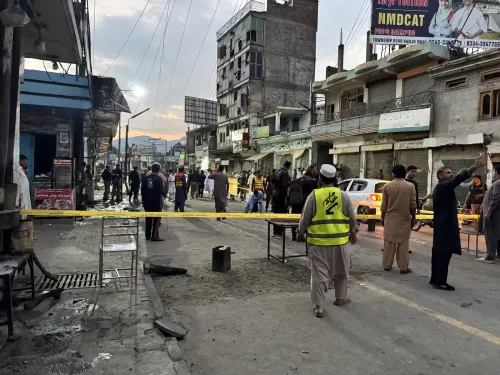
A security operation at Darabo Kach , near Kohat, left 10 policemen and 18 militants dead before the crackdown.
Leaseholders and contractors must remove heavy machinery within seven days .
A judicial commission and a special task force named after slain DSP Haidar Zaman have been announced to investigate the incident.
The move follows Pakistan's imposition of emergency rule in KP in October, authorising military deployment in the province.
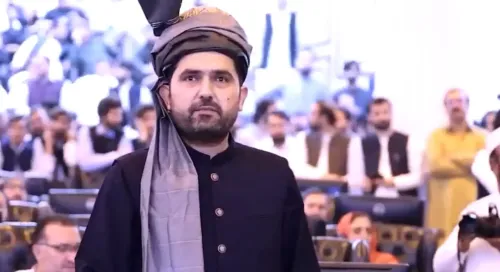
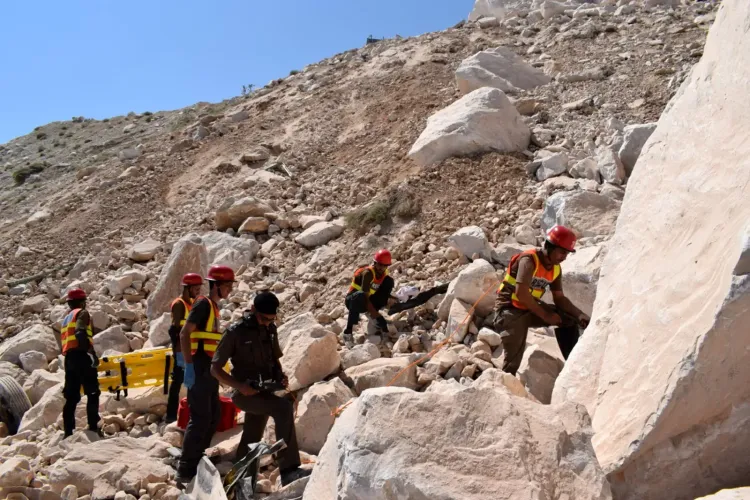
Pakistan has suspended all mining activities across Khyber Pakhtunkhwa (KP) and cancelled gold mining leases after the province's Governor, Faisal Karim Kundi, alleged that billions of rupees generated from gold extraction were being funnelled into militant networks, according to reports citing Gulf News and Geo News. The sweeping crackdown, announced on 21 November 2026, follows a deadly security operation in Kohat district that left 10 policemen and 18 militants dead.
Scale of the Alleged Operation
Governor Kundi claimed that roughly 90 kilos of gold, valued at approximately Rs 4.2 billion, was being extracted every month from Kohat district alone. He further alleged that around 80 per cent of those proceeds were being transferred to Afghanistan, and that illegal mining operators had been paying protection money to militant groups in exchange for continued access to mining sites.
Kundi also raised pointed questions about a 10-year mining lease that had reportedly been granted for Rs 4.92 billion — a figure he noted was barely more than a single month's worth of the gold allegedly being extracted, suggesting gross undervaluation or deliberate opacity in the leasing process.
The Kohat Confrontation and Its Aftermath
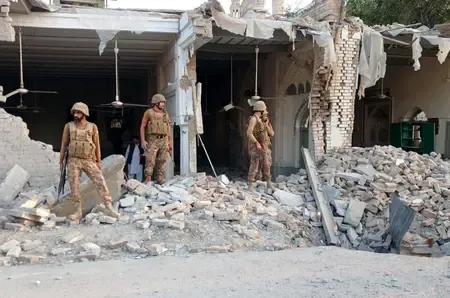
The crackdown follows a security operation at Darabo Kach, near Kohat, where police and local authorities moved against illegal gold mining operations. According to officials, militants attacked police personnel as they were returning from the operation, triggering the deadly confrontation. The Governor alleged that 12 political figures had provided backing in connection with the incident, naming former provincial minister Aftab Alam, Shehryar Afridi, and Khurram Zeeshan — though he acknowledged that no police cases had been registered against any of them as of his announcement.
Government Response and New Oversight Mechanisms
In response to the crisis, Governor Kundi announced the formation of a judicial commission to investigate illegal gold mining and the Kohat incident. He also approved a special task force named after DSP Haidar Zaman, one of the police officers killed during the operation. Leaseholders and contractors have been ordered to remove all heavy machinery from mining areas within seven days, according to reports.
Broader Context: Military Rule and KP's Mineral Economy
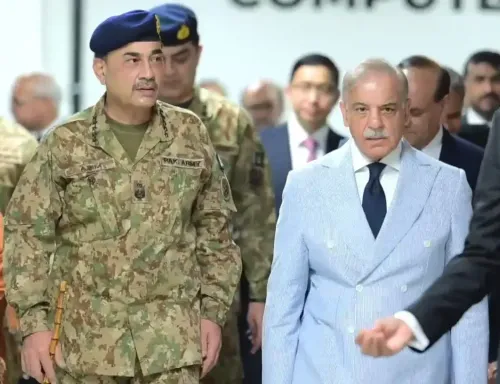
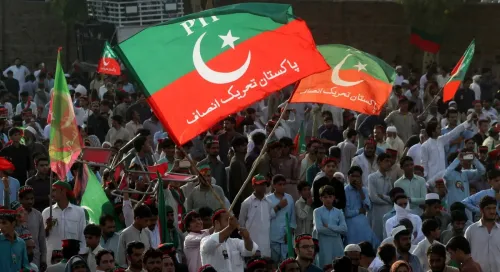
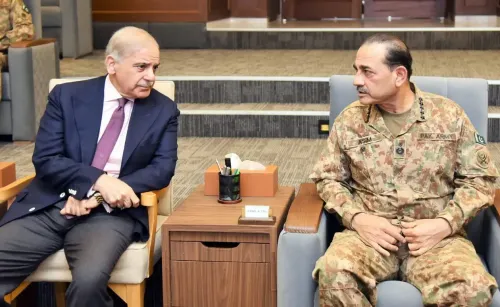
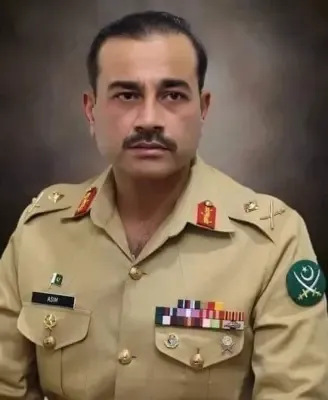
The gold mining controversy unfolds against a charged political backdrop. In October, Pakistan's federal government enforced emergency rule across Khyber Pakhtunkhwa and authorised military deployment in the province, reportedly following pressure from Army Chief Field Marshal Asim Munir. While Islamabad cited deteriorating law and order and inadequate counter-terrorism cooperation, observers noted that the move was widely viewed as an effort by the military establishment to assert greater control over the administration and economy of the mineral-rich province.
Notably, this is not the first time KP's resource wealth has been entangled with security concerns. The province borders Afghanistan and has long been a flashpoint for militant activity, making its extractive industries particularly vulnerable to exploitation by armed groups. The latest suspension of mining operations signals an escalating federal–provincial tension over who controls — and profits from — KP's considerable natural resources.
How the judicial commission proceeds, and whether political figures named by the Governor face formal charges, will be closely watched in the weeks ahead.
Point of View
The question of how a 10-year lease worth Rs 4.92 billion was granted for a deposit allegedly yielding Rs 4.2 billion every single month points to either catastrophic state failure or deliberate collusion in the leasing process. The backdrop of military-enforced emergency rule adds another layer: Pakistan's federal establishment now has both the mandate and the motive to reshape who controls KP's mineral wealth, and the terrorism-financing narrative provides convenient legal cover for a broader consolidation of resource control.
NationPress
21 Nov 2026
Frequently Asked Questions
Why has Pakistan suspended gold mining in Khyber Pakhtunkhwa?
Pakistan suspended all mining activities in Khyber Pakhtunkhwa after Governor Faisal Karim Kundi alleged that proceeds from illegal gold extraction — worth approximately Rs 4.2 billion a month — were being used to finance militant groups, with around 80 per cent of the money reportedly flowing to Afghanistan. The move followed a deadly confrontation in Kohat district that killed 10 policemen and 18 militants.
How much gold was allegedly being extracted from Kohat district?
Governor Kundi claimed that roughly 90 kilos of gold, valued at approximately Rs 4.2 billion, was being extracted every month from Kohat district alone. He also questioned why a 10-year mining lease had been granted for just Rs 4.92 billion when monthly extraction was allegedly worth nearly that much.
Who has been named in connection with the Kohat incident?
Governor Kundi named former provincial minister Aftab Alam, Shehryar Afridi, and Khurram Zeeshan as 12 political figures he alleged provided backing in connection with the Kohat incident. However, he acknowledged that no police cases had been registered against any of them as of the announcement.
What new oversight bodies have been announced?
Governor Kundi announced the formation of a judicial commission to investigate illegal gold mining and the Kohat incident. He also approved a special task force named after DSP Haidar Zaman, a police officer killed during the operation, and ordered all leaseholders to remove heavy machinery within seven days.
What is the broader political context in Khyber Pakhtunkhwa?
In October, Pakistan's federal government imposed emergency rule in Khyber Pakhtunkhwa and authorised military deployment, reportedly under pressure from Army Chief Field Marshal Asim Munir. Observers have noted that the move is widely seen as an effort by the military establishment to gain greater control over the mineral-rich province, with the latest mining crackdown unfolding against that charged backdrop.