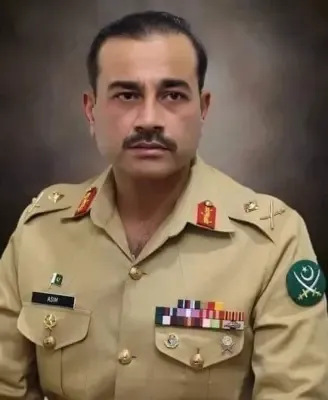
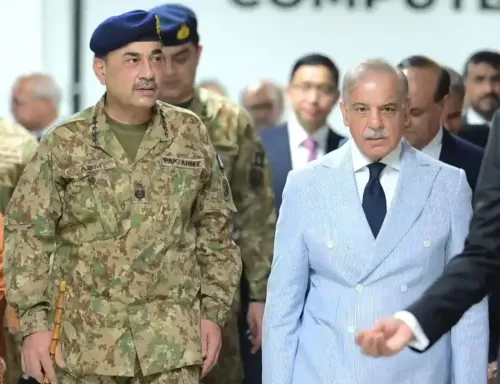
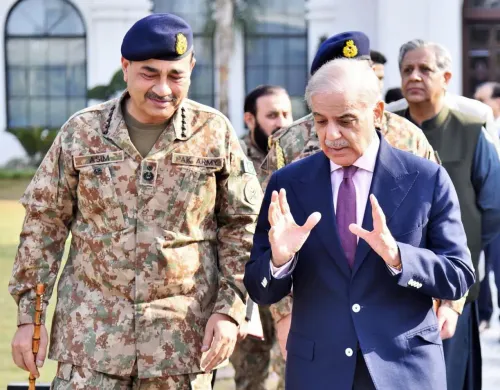
Asim Munir's 'hard-state' doctrine risks deeper unrest in Khyber Pakhtunkhwa
Synopsis
Pakistan's military imposed emergency rule in Khyber Pakhtunkhwa on 11 October 2026, arresting Chief Minister Sohail Afridi and stripping the province of constitutional control over its own mineral wealth. With police fatalities nearly doubling year-on-year and analysts warning the move mirrors the dynamic that made Balochistan ungovernable, the costs of Asim Munir's 'hard-state' doctrine may already be outrunning any strategic gain.
Key Takeaways
Pakistan imposed emergency rule in Khyber Pakhtunkhwa on 11 October 2026 under Articles 232 and 234 , dissolving the elected provincial government.
Chief Minister Sohail Afridi was taken into 'preventive' custody by the military establishment.
Minerals are a provincial subject under Pakistan's Eighteenth Amendment ; without a legislature, federal and military control over the province's resources is now effectively unchecked.
Police fatalities in Khyber Pakhtunkhwa nearly doubled to 122 in the first half of 2026 , from 63 in the same period a year earlier.
Violence-linked deaths rose to 556 between July and September 2026, up from 475 in the previous quarter.
Analysts warn the intervention risks replicating in Khyber Pakhtunkhwa the instability that has made Balochistan ungovernable.
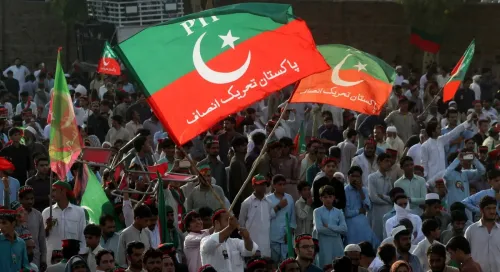
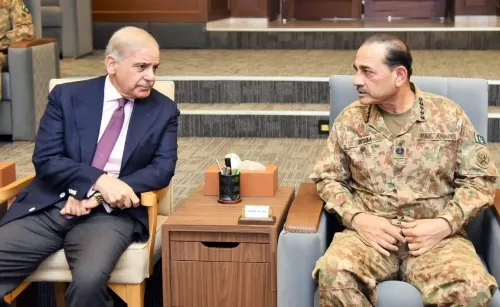
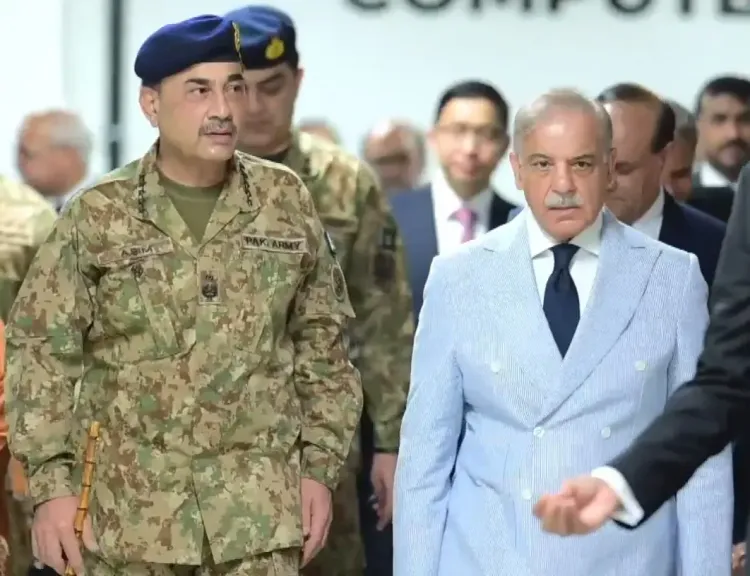
Pakistani Army chief Asim Munir's 'hard-state' doctrine — premised on the belief that resistance is a product of insufficient force — is being put to its starkest test in Khyber Pakhtunkhwa, according to an analysis published in Greek City Times. The province, home to more than 40 million people, carries deeply entrenched political organisation, an active armed insurgency, and a volatile border with Afghanistan — conditions that critics argue make a coercive approach especially dangerous.
The Emergency and What It Means
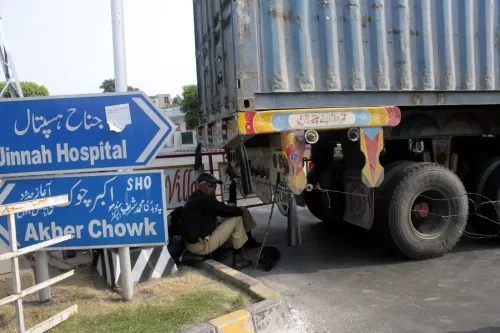
On 11 October 2026, Islamabad activated constitutional machinery under Articles 232 and 234, dissolving the elected provincial government of Khyber Pakhtunkhwa and imposing governor's rule, backed by the military establishment. Chief Minister Sohail Afridi was taken into what authorities described as 'preventive' custody. Under the emergency framework, federal law now overrides provincial law wherever the two conflict.
The report contends this sequence is not incidental. Minerals are a provincial subject under Pakistan's Eighteenth Amendment, meaning Khyber Pakhtunkhwa previously held constitutional authority over its own resource extraction. With no functioning provincial legislature, that authority has effectively passed to the federal government and the military establishment. 'The province no longer has a legislature capable of exercising that right,' the analysis noted, calling the suspicion now circulating across Pashtun political networks 'a rational response to that sequence rather than a conspiracy theory.'
Mineral Wealth at the Heart of the Crisis
Questions about Khyber Pakhtunkhwa's critical mineral reserves have moved to the centre of this political dispute. The analysis argues, however, that extraction is 'unlikely to advance at the expected pace,' citing unestablished geological surveys, a near-total absence of processing capacity, and a security environment that continues to worsen. The report further warned that the military establishment could use deteriorating conditions to seek increased federal security funding while simultaneously tightening its grip on the province's resources — potentially directing them toward Western buyers.
'Many people are asking whether Islamabad suspended an elected provincial government to seize its mineral wealth. The evidence is more damaging than the speculation,' the report stated, pointing to the constitutional steps that removed the one institutional barrier blocking federal control of the province's minerals for at least 18 months.
Security Costs Are Already Rising
The security data cited in the report is stark. Police fatalities reached 122 in the first half of 2026, compared with 63 during the same period a year earlier — a near doubling. Violence-linked deaths climbed to 556 between July and September 2026, up from 475 in the preceding quarter. Islamabad cited precisely this deterioration to justify the emergency, though critics argue the intervention is likely to accelerate rather than reverse the trend.
The analysis drew an explicit parallel with Balochistan, warning that removing the only elected tier of government that retained legitimacy among Pashtuns, arresting its chief minister, and opening the province's resources to federal and foreign disposal 'hands militant groups a grievance narrative requiring no exaggeration, and it repeats in Khyber Pakhtunkhwa the dynamic that made Balochistan ungovernable.'
Wider Implications for Pakistan's Stability
The report concluded that the security consequences of the Khyber Pakhtunkhwa manoeuvre would 'far outweigh any revenue it generates for the state.' This comes amid an already fragile national economic situation, with Pakistan relying on IMF support and under pressure to demonstrate both fiscal discipline and political stability to international partners. Critics argue that a second province slipping into prolonged instability would severely test Islamabad's capacity to manage simultaneous crises. How the military and federal government respond in the coming weeks will set the trajectory for one of Pakistan's most consequential provinces.
Point of View
Resource extraction as motive, and a constitutional veneer thin enough to be seen through by the very population it must pacify. What is striking is how precisely the move replicates the Balochistan playbook: remove elected legitimacy, centralise resource control, then wonder why the security bill keeps rising. The mineral wealth argument is not a fringe reading — it is the reading that emerges when you map constitutional powers against the timeline of events. Asim Munir's doctrine may hold in a boardroom; it has not held in any province where Islamabad has tried it.
NationPress
31 Oct 2026
Frequently Asked Questions
What is Pakistan's 'hard-state' doctrine under Asim Munir?
The 'hard-state' doctrine attributed to Pakistani Army chief Asim Munir holds that resistance to state authority stems from insufficient application of force, and that a firm coercive response will restore order. Critics argue this assumption is flawed in Khyber Pakhtunkhwa, where political grievances are deep-rooted and an armed insurgency is already active.
Why did Pakistan impose emergency rule in Khyber Pakhtunkhwa in October 2026?
Islamabad cited a deteriorating security situation — including rising police fatalities and insurgent attacks — to justify invoking Articles 232 and 234 on 11 October 2026, dissolving the elected provincial government and placing it under governor's rule backed by the military. Analysts, however, contend that the emergency also removed the institutional barrier blocking federal control of the province's mineral wealth.
What happens to Khyber Pakhtunkhwa's mineral resources under the emergency?
Under Pakistan's Eighteenth Amendment, minerals are a provincial subject — meaning the province had constitutional authority over extraction. With the provincial legislature dissolved, that authority has effectively transferred to the federal government and military establishment. The analysis warns this could lead to the resources being sold to Western buyers, though extraction itself faces obstacles including unestablished geological surveys and absent processing infrastructure.
How bad is the security situation in Khyber Pakhtunkhwa?
Police fatalities nearly doubled to 122 in the first half of 2026 compared with 63 in the same period a year earlier, while violence-linked deaths rose to 556 between July and September 2026 from 475 in the preceding quarter. Analysts warn that removing the only elected government retaining legitimacy among Pashtuns will worsen rather than improve these figures.
How does Khyber Pakhtunkhwa compare to Balochistan?
The analysis draws a direct parallel, arguing that arresting an elected chief minister, suspending the provincial assembly, and opening resources to federal disposal 'repeats in Khyber Pakhtunkhwa the dynamic that made Balochistan ungovernable.' Both provinces have distinct ethnic and political identities, armed insurgencies, and histories of grievance against centralised federal and military control.