Pakistan poverty rate surges to 29%, erasing two decades of gains: Report
Synopsis
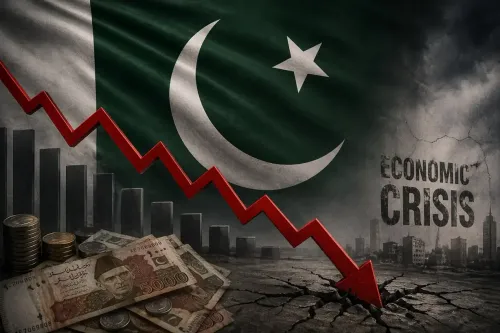
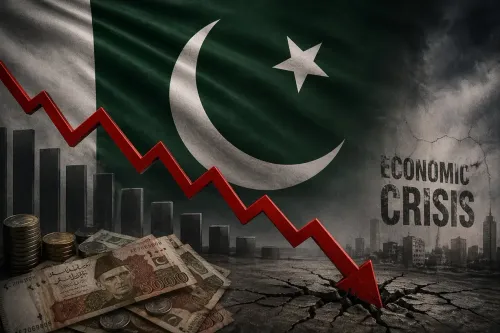
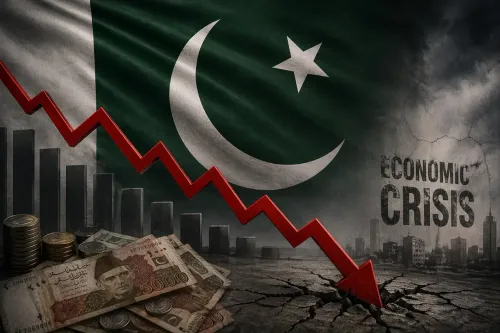
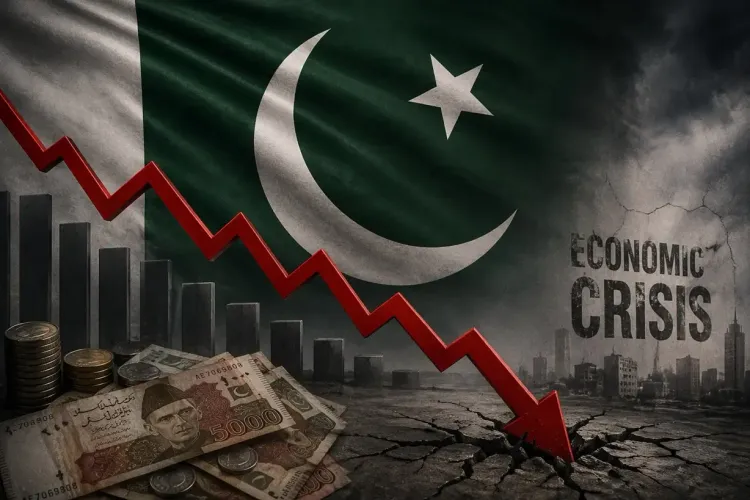
Pakistan's poverty rate has surged to 29% — reversing a two-decade fall from 64.3% in 2001-02 to a low of 21.9% in 2018-19. A new analysis finds the gains were structurally fragile, built on remittances and safety nets rather than productive jobs, and undone by a perfect storm of Covid-19, record floods, and a macroeconomic crisis.
Key Takeaways
Pakistan's national poverty rate has risen to 29% , up from a low of 21.9% in 2018-19 .
The country now accounts for nearly half of the extreme-poor population in the MENAAP region, despite being only 30% of its total population.
Poverty had previously fallen from 64.3% in 2001-02 to 21.9% in 2018-19 , driven by growth, remittances, and non-farm employment.
Poverty reduction began slowing after 2008 as growth weakened and gains increasingly relied on remittances and safety nets rather than structural income improvements.
The recent reversal is linked to the Covid-19 pandemic, global food and energy price shocks, and the devastating 2022 floods .
Analysts warn that without structural reforms in employment and human capital, any future gains risk being equally fragile.
Pakistan's national poverty rate has climbed to 29% from a historic low of 21.9% recorded in 2018-19, effectively wiping out nearly two decades of hard-won poverty reduction progress, according to an analysis published by The News Pakistan. The country now reportedly accounts for close to half of the extreme-poor population across the broader MENAAP (Middle East, North Africa, Afghanistan, and Pakistan) region, despite representing only around 30% of that region's total population.
A Long Climb — and a Sharp Fall
Pakistan's poverty reduction journey had, until recently, been one of the more striking in the developing world. The national poverty rate fell from 64.3% in 2001-02 to 21.9% by 2018-19 — a decline driven by sustained economic growth, expanding employment, a structural shift away from subsistence farming, and rising remittance inflows from the Pakistani diaspora abroad.
However, according to the report, the foundations of that progress were shakier than the headline numbers suggested. Economists cited in the analysis argue that many of those gains were built on consumption-led growth and external transfers rather than durable structural improvements in household incomes.
Why the Gains Were Not Resilient
'The central argument emerging from the literature is more complex than simply stating that poverty has returned. Pakistan experienced an insufficiently resilient exit from poverty,' the report stated.
The analysis notes that poverty reduction had already begun decelerating after 2008, as economic growth weakened and productive employment creation remained limited. Welfare gains increasingly rested on remittances and social safety net transfers rather than on sustained income growth — a fragile base. As the report put it, 'Crossing the poverty line is not equivalent to escaping economic vulnerability.'
Overlapping Shocks Accelerated the Reversal
The recent sharp reversal is attributed to a cascade of overlapping crises. The Covid-19 pandemic disrupted livelihoods and strained public finances. That was followed by global spikes in food and energy prices, the catastrophic 2022 floods — which inundated a third of Pakistan's landmass and displaced millions — and subsequent macroeconomic adjustments that eroded household purchasing power. Together, these shocks exposed the structural vulnerabilities that years of aggregate growth had concealed.
What the Report Concludes
The analysis concludes that while Pakistan's earlier growth model succeeded in lifting millions above the poverty line, it fell short on creating the productive jobs, human capital investment, and economic resilience needed to consolidate those gains over the long term. The concern, critics argue, is that without structural reforms targeting employment quality and social infrastructure, any new round of growth could prove equally fragile.
The findings come at a moment when Pakistan is navigating a tense IMF-backed stabilisation programme, with fiscal austerity and currency adjustments placing fresh pressure on lower-income households. How Islamabad reconciles austerity with poverty alleviation will be a defining policy challenge in the years ahead.
Point of View
Long before the flood and pandemic shocks, tells you that the warning signs were there. What is striking is how quickly the MENAAP extreme-poverty balance has tilted toward Pakistan: a country that is 30% of the region's population but carries nearly half its extreme poor. For India and regional observers, this is a cautionary data point on the limits of GDP-led poverty metrics — headline rates can flatter until an external shock strips the floor away. The harder question for Islamabad is whether its current IMF stabilisation path — which prioritises fiscal correction — leaves any fiscal space to invest in the productive jobs and human capital the report identifies as the missing ingredient.
NationPress
21 Nov 2026
Frequently Asked Questions
What is Pakistan's current poverty rate according to the report?
Pakistan's national poverty rate has risen to 29%, up from a historic low of 21.9% recorded in 2018-19, according to an analysis by The News Pakistan. This reversal has effectively erased nearly two decades of poverty reduction progress.
Why did Pakistan's poverty reduction gains reverse?
The reversal is attributed to a series of overlapping shocks: the Covid-19 pandemic, global food and energy price spikes, the catastrophic 2022 floods, and subsequent macroeconomic adjustments that eroded household purchasing power. Analysts also note that earlier gains were structurally fragile, resting on remittances and social safety nets rather than productive employment.
How much progress had Pakistan made in reducing poverty before this reversal?
Pakistan reduced its poverty rate from 64.3% in 2001-02 to 21.9% by 2018-19 — a substantial decline driven by economic growth, rising employment, a shift to non-farm activities, and higher remittance inflows. However, economists cited in the report argue those gains were not sufficiently resilient.
What share of MENAAP's extreme poor does Pakistan account for?
Pakistan reportedly accounts for nearly half of the extreme-poor population in the MENAAP (Middle East, North Africa, Afghanistan, and Pakistan) region, despite representing only around 30% of that region's total population.
What structural weaknesses does the report identify in Pakistan's growth model?
The report concludes that Pakistan's earlier growth model was less successful in creating productive jobs, human capital, and economic resilience. Poverty reduction after 2008 increasingly relied on remittances and social safety net programmes rather than structural income improvements, leaving households vulnerable to external shocks.