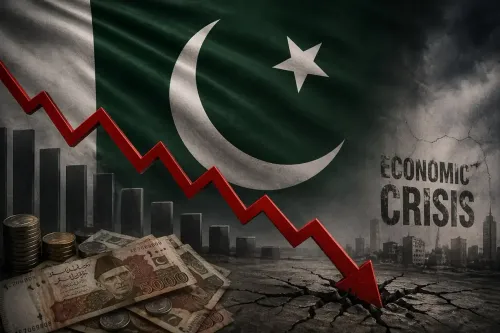
Pakistan lost $40 billion in trade suspension with India since 2019: Report
Synopsis
Pakistan's suspension of trade with India since the 2019 Pulwama fallout has cost the country an estimated $40 billion, according to the Pak-India Business Council. From pharma raw materials to cotton and petroleum, Pakistani industries have been paying a steep premium to source from distant markets — while India's factories sit a few hundred kilometres away.
Key Takeaways
Pakistan has incurred an estimated $40 billion in economic losses since trade with India was suspended in 2019 .
Pak-India Business Council chairman Noor Muhammad Qasuri said resuming pharmaceutical imports from India alone could save $2–3 billion annually .
A decline in domestic cotton production has cost Pakistan's textile sector an additional $5 billion , with mills importing from Brazil , Egypt , China , and the US .
Farmers in traditional cotton-growing areas are switching to sugarcane, which could worsen the textile supply crisis.
Pakistan is also importing sugar, fertiliser, cement, petroleum, and heavy machinery from distant markets despite India's proximity and production capacity.
Qasuri cited India 's assistance to Sri Lanka during its economic crisis as a model for regional economic cooperation.
Pakistan has incurred an estimated $40 billion in cumulative economic losses since bilateral trade with India was suspended in 2019, with Pakistani businesses forced to import goods from geographically distant markets at significantly higher costs, according to the chairman of the Pak-India Business Council, Noor Muhammad Qasuri.
Background: How Trade Collapsed
Commercial ties between the two neighbours ground to a halt following the Pulwama terror attack in 2019 and the escalating political tensions that followed. According to Qasuri, the disruption sharply raised transportation costs, freight charges, and delivery times for Pakistani businesses that had previously relied heavily on cross-border imports from India. The suspension effectively redirected Pakistani import demand to far-flung suppliers in Brazil, Egypt, China, and the United States.
Sector-by-Sector Toll
The pharmaceutical industry has been among the hardest hit. Qasuri noted that Pakistan's pharma sector had long depended on raw materials sourced from India, and estimated that resuming those imports could generate annual savings of $2 billion to $3 billion.
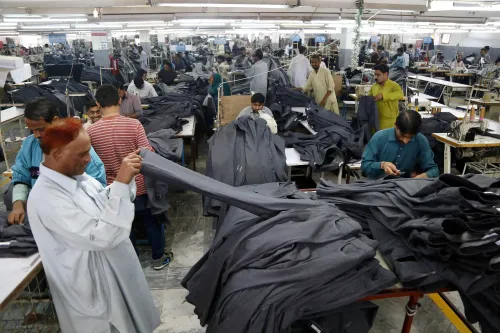
The textile sector has also borne a heavy burden. A sharp drop in domestic cotton production has imposed additional costs of $5 billion, forcing mills to source cotton from alternative international suppliers at premium prices. Notably, farmers in traditional cotton-growing regions are reportedly switching to sugarcane cultivation, a trend that could deepen the supply crisis in the coming years.
Pakistan is also reportedly importing sugar, fertiliser, cement, petroleum products, iron and steel, vegetables, and heavy machinery from distant markets — despite India's substantial and geographically proximate production capacity across these sectors.
The Case for Resumption
Qasuri argued that restoring bilateral trade could lower transportation costs across multiple sectors, improve supply chains, and make petroleum imports cheaper, given that Indian oil refineries are geographically closer to Pakistan. Indian agricultural and industrial products, he said, could directly reduce production costs for a wide range of Pakistani businesses.
He also pointed to the loss of Indian tourists who previously visited religious and historical sites as well as ancestral villages in Pakistan — another revenue stream that dried up after the suspension.
'Pakistan and India share historical, cultural and family ties, which could provide a foundation for improved relations,' Qasuri said. He cited India's financial assistance to Sri Lanka during the island nation's economic crisis as a precedent for meaningful regional economic cooperation even in difficult times.
Wider Regional Context
This comes amid a broader conversation on South Asian economic integration, with analysts noting that Pakistan's economy — under sustained fiscal stress — stands to gain disproportionately from any normalisation of trade ties. Critics, however, argue that political will on both sides remains the primary obstacle, and the economic case alone has rarely been sufficient to drive diplomatic breakthroughs between the two countries. The 2019 suspension marked the most significant rupture in bilateral commerce since the Kargil conflict, and resumption remains contingent on wider geopolitical conditions.
Point of View
Not New Delhi. The numbers make the case for trade resumption almost self-evident, yet the Pulwama rupture has lasted longer than any previous breakdown in India-Pakistan commerce. What the report underscores is that Pakistan's economic fragility — not Indian intransigence — is now the sharpest pressure on Islamabad to reconsider. The harder question is whether Pakistan's civilian trade lobby has the political space to push for normalisation given the military establishment's historically adversarial posture toward India.
NationPress
3 Nov 2026
Frequently Asked Questions
How much has Pakistan lost due to trade suspension with India?
Pakistan has incurred an estimated $40 billion in economic losses since bilateral trade with India was suspended in 2019, according to Noor Muhammad Qasuri, chairman of the Pak-India Business Council. The losses stem from higher sourcing costs, freight charges, and longer delivery times as Pakistani businesses were forced to import from distant markets.
Why was India-Pakistan trade suspended in 2019?
Trade between India and Pakistan was effectively suspended following the Pulwama terror attack in 2019 and the political tensions that followed. The breakdown marked the most significant rupture in bilateral commerce since the Kargil conflict.
Which sectors in Pakistan have been hit hardest by the trade suspension?
Pakistan's pharmaceutical industry and textile sector have been the worst affected. The pharma sector lost access to cheaper Indian raw materials, while the textile industry absorbed an estimated $5 billion in additional costs due to declining domestic cotton production and the need to import from Brazil, Egypt, China, and the US.
What would Pakistan gain from resuming trade with India?
According to Qasuri, resuming pharmaceutical imports from India alone could generate annual savings of $2 billion to $3 billion. Broader trade resumption could also lower transportation costs, improve supply chains, and cheapen petroleum imports, given that Indian oil refineries are geographically closer to Pakistan.
Who is Noor Muhammad Qasuri?
Noor Muhammad Qasuri is the chairman of the Pak-India Business Council, a body that advocates for restoration of commercial ties between Pakistan and India. He has been a prominent voice in Pakistan's business community calling for trade normalisation with India.