Pakistan clamps down on media as unrest grips KP, Balochistan, PoK
Synopsis
Pakistan is simultaneously battling violent unrest in three regions — KP, Balochistan, and PoK — while deploying an aggressive information blackout: PEMRA has banned live protest coverage, civil society groups have been labelled terrorists, foreign monitors are barred, and internet shutdowns are in force. With the European Commission warning that trade preferences could be at risk, Islamabad's media censorship is now a story with serious international consequences.
Key Takeaways
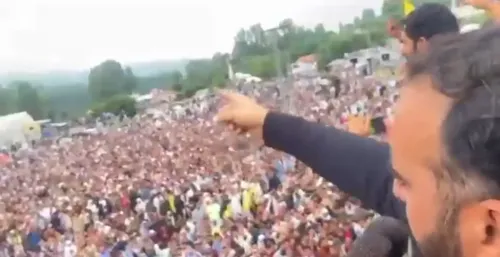
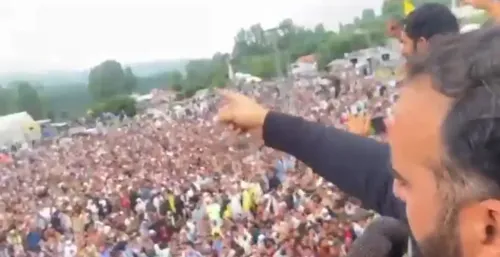
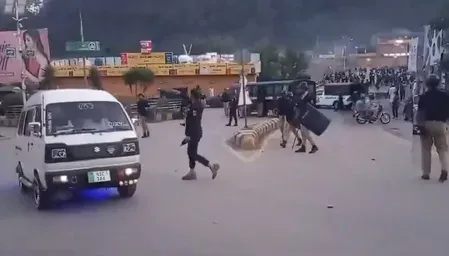
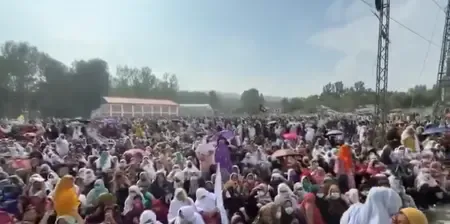
Violent protests are simultaneously gripping Khyber Pakhtunkhwa (KP) , Balochistan , and Pakistan-occupied Kashmir (PoK) , with Governor's rule imposed in KP.
PEMRA has ordered media channels to halt live coverage of protests, riots, and blasts in the affected regions.
The Human Rights Commission of Pakistan , Baloch Yakjehti Committee (BYC) , and Pashtun Tahafuz Movement (PTM) have reportedly been placed on terror watch lists.
Internet services are largely shut down; social media posts about the unrest are under intense government scrutiny.
The European Commission has warned that human rights abuses and military trials could threaten Pakistan's trade preferences.
Pakistani pressure groups abroad have reportedly been directed to suppress information about the unrest from reaching Western audiences.
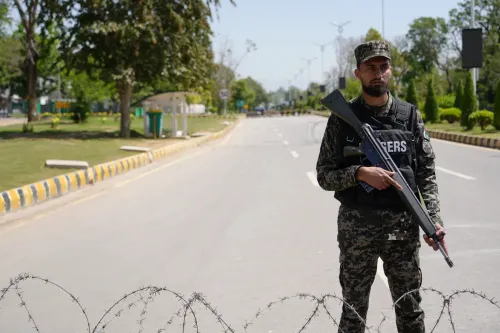
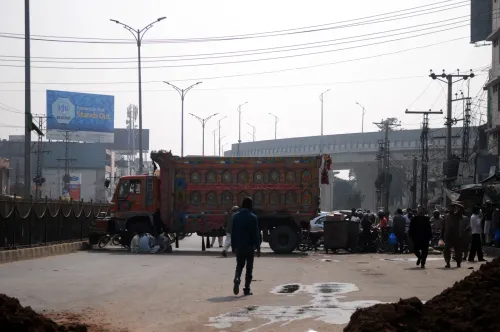
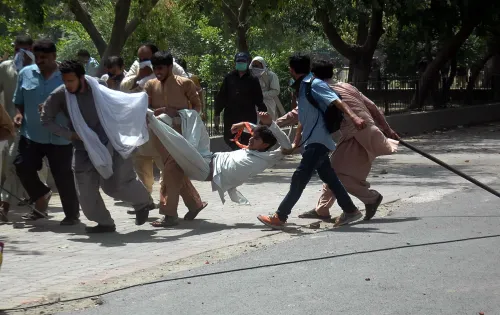
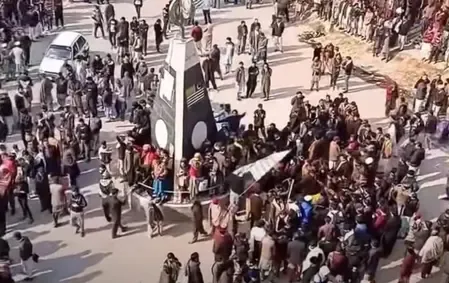
Pakistan is witnessing what analysts describe as an undeclared state of emergency, with violent protests sweeping Khyber Pakhtunkhwa (KP), Balochistan, and Pakistan-occupied Kashmir (PoK) simultaneously. The Pakistani establishment has responded with sweeping media restrictions and information blackouts, reportedly attempting to prevent the scale of the unrest from reaching public attention domestically and internationally.
Governor's Rule and Emergency Measures in KP
Attention has shifted sharply to Khyber Pakhtunkhwa, where Governor's rule has been imposed alongside emergency measures, according to reports. Protests have spread widely across the region, but officials say only a fraction of on-ground developments are entering the public domain. While Balochistan and PoK have endured prolonged unrest over recent months, KP's deteriorating situation has added a new and acute dimension to Pakistan's internal crisis.
PEMRA Directives and Press Freedom Curbs
The Pakistan Electronic Media Regulatory Authority (PEMRA) has directed television channels to refrain from live coverage of the ongoing protests, according to reports. Coverage of frequent riots and blasts in KP and Balochistan has also been restricted. Officials say there are clear instructions to delay live feeds so that audiences within Pakistan do not receive an accurate picture of conditions on the ground. Even footage that clears the censors is reportedly not broadcast in real time.
Internet services remain largely shut down across affected regions, and social media posts about the unrest are said to be under intense government scrutiny. 'Whatever information that is coming out of these regions is thanks to the social media posts of insurgent groups and the activists in the region,' one official said, requesting anonymity.
Human Rights Groups Targeted, Foreign Access Blocked
The Pakistani establishment has reportedly placed prominent civil society organisations — including the Human Rights Commission of Pakistan, the Baloch Yakjehti Committee (BYC), and the Pashtun Tahafuz Movement (PTM) — on terror watch lists, making it extremely difficult for them to operate. These groups have been among the few sources documenting alleged extrajudicial killings and enforced disappearances in the affected regions.
Access for UN experts, international monitoring organisations, and foreign journalists has also been tightly restricted. Officials say that even those who obtain the required No Objection Certificate (NOC) are taken on guided tours that allow authorities to control what they see. 'The Pakistani establishment runs a pretty tight ship when it comes to information from these regions, which have been on the boil for long,' an official said. Scores of activists have reportedly been detained for several months and subjected to torture in custody, according to the same officials.
International Pressure and Economic Vulnerability
The information crackdown comes amid significant external pressure. The European Commission has reportedly warned that human rights abuses, lack of accountability, and the use of military courts could jeopardise Pakistan's trade preferences — a particularly sensitive threat given the country's fragile economic condition. Pakistan's economy is widely described as being under severe stress, making international condemnation a risk Islamabad is keen to avoid.
Notably, Pakistani pressure groups operating in countries such as the United States — primarily tasked with pushing counter-narratives on Jammu and Kashmir — have reportedly also been directed to suppress information about the unrest in KP, Balochistan, and PoK from reaching Western audiences and policymakers.
What to Watch
With multiple regions in simultaneous turmoil and the establishment doubling down on information control, the situation in Pakistan remains fluid and difficult to independently verify. International human rights bodies and foreign governments are likely to face increasing pressure to respond, particularly as the European Commission's trade-preference warning signals growing impatience with Islamabad's record. How long the information blackout holds — and whether it withstands the pressure of social media and diaspora networks — will be critical in the weeks ahead.
Point of View
Now applied at unprecedented scale across three regions simultaneously. What is new is the degree of international exposure: the European Commission's trade-preference warning gives the information blackout a direct economic cost, something earlier iterations did not carry. The placement of the Human Rights Commission of Pakistan on a terror watch list — a domestic civil society body, not a foreign actor — signals how far the establishment is willing to go, and how thin the veneer of civilian governance has become. The harder Pakistan squeezes, the more it depends on the silence holding internationally; and with diaspora networks and social media acting as parallel information channels, that silence is increasingly difficult to maintain.
NationPress
16 Oct 2026
Frequently Asked Questions
Why is Pakistan restricting media coverage in KP, Balochistan, and PoK?
Pakistan is restricting media coverage to prevent the scale of violent protests and alleged human rights abuses from reaching domestic and international audiences, according to officials. The establishment reportedly fears that international condemnation could worsen its already fragile economic situation and trigger the loss of trade preferences from the European Commission.
What has PEMRA ordered regarding protest coverage?
The Pakistan Electronic Media Regulatory Authority (PEMRA) has directed television channels to refrain from airing live coverage of the ongoing protests, as well as riots and blasts reported in KP and Balochistan. Even footage that is cleared for broadcast is reportedly subject to delays, ensuring audiences do not see real-time developments.
Which organisations have been placed on Pakistan's terror watch list?
The Human Rights Commission of Pakistan, the Baloch Yakjehti Committee (BYC), and the Pashtun Tahafuz Movement (PTM) have reportedly been placed on terror watch lists by Pakistani authorities. These groups had been among the primary sources documenting alleged extrajudicial killings and enforced disappearances in the affected regions.
What is the international response to Pakistan's crackdown?
The European Commission has reportedly warned that human rights abuses, lack of accountability, and the use of military trials could put Pakistan's trade preferences at risk. Access for UN experts, foreign journalists, and international monitoring groups has been severely restricted, with visits reportedly limited to government-guided tours.
How is information about the unrest reaching the outside world?
With internet shutdowns in place and mainstream Pakistani media heavily censored, most information is reaching the outside world through social media posts by activists and insurgent groups on the ground, according to officials. The flow remains inconsistent due to ongoing government scrutiny of social media content.