Pakistan cuts climate budget 60% despite extreme weather vulnerability

Synopsis
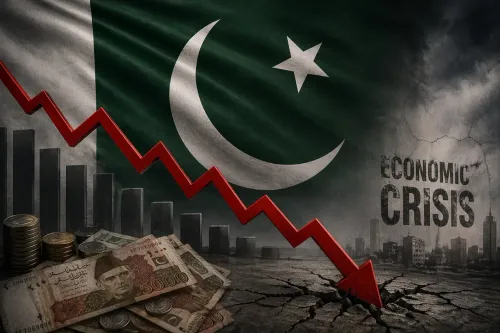
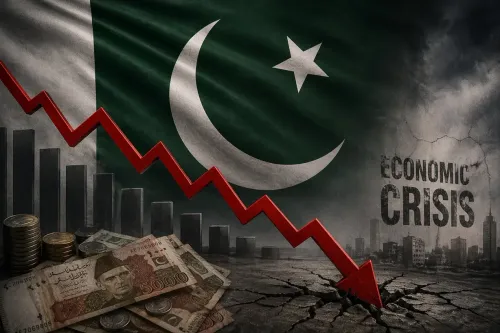
Pakistan has cut its federal climate budget by more than 60 per cent — from Rs 6.4 billion to Rs 2.4 billion — even as it faces glacier melt, catastrophic flood risk, and a 90 per cent agricultural dependence on the Indus Basin. The move bucks a regional trend of rising climate investment and raises urgent questions about the country's resilience strategy.
Key Takeaways
Pakistan has allocated just Rs 2.4 billion (~$8.6 million) for climate projects under the PSDP in FY2026-27 .
This marks a decline of more than 60 per cent from nearly Rs 6.4 billion allocated five years ago.
Germanwatch 's Climate Risk Index and the World Bank both rank Pakistan among the most climate-vulnerable nations globally.
The Indus River system supports nearly 90 per cent of Pakistan 's agricultural output, making glacier melt a critical economic threat.
The 2022 floods in Pakistan affected more than 33 million people and caused billions in economic losses.
Neighbouring countries — India , Bangladesh , and China — have all increased climate-related spending in recent years.
Pakistan has slashed its federal climate-related development spending by more than 60 per cent in its FY2026-27 budget, even as the country faces escalating risks from extreme weather, glacial flooding, and water scarcity, according to a report by The News International. The move stands in sharp contrast to a regional trend of rising climate investment.
The Budget Allocation
The federal government has set aside just Rs 2.4 billion (approximately $8.6 million) for climate-related projects under the Public Sector Development Programme (PSDP) for FY2026-27. This compares with nearly Rs 6.4 billion earmarked for similar projects five years ago — a reduction of over 60 per cent.
The cut arrives at a moment when India, Bangladesh, and China have all increased climate-related expenditures, underscoring a widening divergence in regional policy priorities.
Pakistan's Climate Vulnerability
International risk assessments consistently place Pakistan among the world's most climate-exposed nations. The Climate Risk Index published by Germanwatch has repeatedly ranked the country among those experiencing the most severe impacts from extreme weather events.
The World Bank's Climate Change Knowledge Portal identifies Pakistan as highly vulnerable to rising temperatures, shifting rainfall patterns, water scarcity, and more frequent extreme weather. Temperatures across the country are projected to rise significantly this century, with consequences for health, labour productivity, and already-strained energy and water infrastructure, according to the World Bank.
Glacier Melt and the Indus Basin
Accelerated glacier melt in the Hindu Kush-Karakoram-Himalayan region poses a compounding threat. The United Nations Development Programme (UNDP) has warned that faster melt raises the risk of glacial lake outburst floods while also threatening long-term water security.
The Indus River system, fed by these glaciers, underpins nearly 90 per cent of Pakistan's agricultural production. Disruptions to the basin, researchers at the Pakistan Institute of Development Economics (PIDE) have noted, can cascade into nationwide food security and economic crises.
The 2022 Floods: A Recent Benchmark
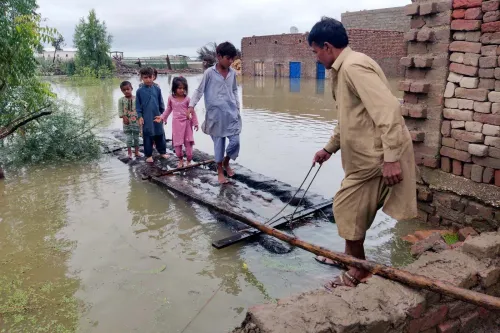
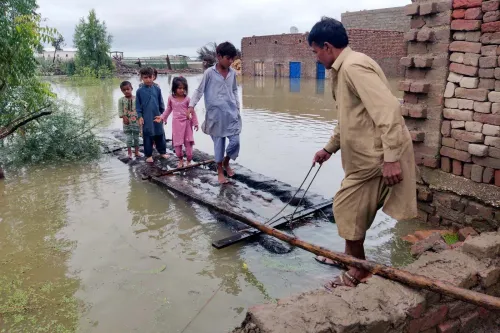
The scale of Pakistan's climate exposure was starkly illustrated in 2022, when catastrophic floods affected more than 33 million people and caused billions of dollars in economic losses, according to estimates by the Pakistan government and the United Nations. That disaster drew global attention to the country's structural vulnerability — making the current budget reduction all the more striking to observers.
Regional Divergence
Neighbouring countries have moved in the opposite direction, steadily expanding climate-related spending on adaptation, renewable energy, and disaster resilience. The contrast raises questions about Pakistan's capacity to absorb future climate shocks without greater financial commitment from its own federal budget.
Whether the government will revisit allocations through supplementary budgets or rely on international climate finance mechanisms remains to be seen.
Point of View
Yet the lesson appears unlearned. What makes this more troubling is the timing: as glacier melt in the Hindu Kush accelerates and the Indus Basin faces structural stress, the government is effectively offloading resilience costs onto future emergency responses and international donors. The regional divergence — with India, Bangladesh, and China all moving in the opposite direction — further isolates Pakistan's policy stance at a moment when climate finance is increasingly competitive and conditional.
NationPress
19 Sept 2026
Frequently Asked Questions
How much has Pakistan cut its climate budget for FY2026-27?
Pakistan has reduced its federal climate-related development spending by more than 60 per cent, allocating Rs 2.4 billion (approximately $8.6 million) under the PSDP for FY2026-27, down from nearly Rs 6.4 billion five years ago.
Why is Pakistan's climate budget cut significant?
Pakistan is consistently ranked among the world's most climate-vulnerable countries by bodies including Germanwatch and the World Bank. Cutting climate investment at a time of rising glacier melt risk, flood frequency, and water scarcity heightens the country's exposure to future disasters.
What is the risk from glacier melt to Pakistan?
Accelerated melting in the Hindu Kush-Karakoram-Himalayan region threatens glacial lake outburst floods and long-term water security. The Indus River system, fed by these glaciers, supports nearly 90 per cent of Pakistan's agricultural production, according to available data.
How does Pakistan's climate spending compare with its neighbours?
India, Bangladesh, and China have all increased climate-related expenditures in recent years, according to the report. Pakistan's sharp reduction runs counter to this regional trend and raises concerns about its ability to fund adaptation and resilience measures domestically.
What was the scale of Pakistan's 2022 climate disaster?
Catastrophic floods in 2022 affected more than 33 million people in Pakistan and caused billions of dollars in economic losses, according to estimates by the Pakistan government and the United Nations. The disaster is widely cited as evidence of the country's acute climate vulnerability.