Pakistan cotton crisis: 2,06,000 bales ordered from US as domestic output collapses
Synopsis
Pakistan's order of 2,06,000 bales of US cotton — placed before its own harvest — is not a seasonal blip but a structural alarm. With domestic output at roughly 5 million bales and mills already sourcing from Brazil, the country's once self-sufficient cotton sector has become a net import dependent, threatening both its textile export competitiveness and its foreign exchange reserves.
Key Takeaways
Pakistan has ordered around 2,06,000 bales of cotton from the United States and is increasing purchases from Brazil ahead of its local harvest.
Domestic cotton output has fallen to an estimated 5 million bales , well below self-sufficiency levels.
Causes include shrinking cultivation area, poor seed quality, climate stress, pest pressure, and farmers shifting to sugarcane , maize , and rice .
Textile manufacturers have urged the government for tax relief , lower energy tariffs, and reduced levies to offset the cost burden.
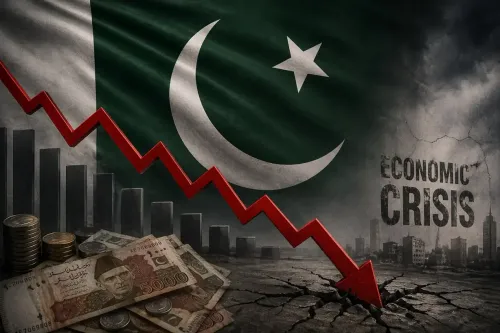
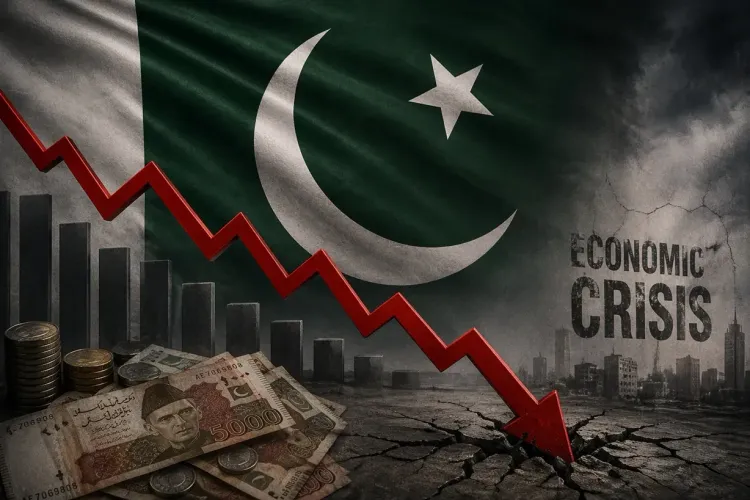
The report warns the crisis risks widening Pakistan's current account deficit and undermining its export-oriented textile sector.
Pakistan has placed orders for around 2,06,000 bales of cotton from the United States and is ramping up purchases from Brazil as domestic production continues to fall, according to a new report, underscoring a deepening structural dependence on imports ahead of the local harvest season.
From Self-Sufficiency to Import Dependence
The report, citing analysis of Pakistan's cotton and textile sector, describes the industry's trajectory as a shift 'from decline to dependence.' Domestic output is currently estimated at roughly 5 million bales — well below the levels at which Pakistan was once self-sufficient in cotton. The country's cultivation area has been shrinking steadily, compounded by poor seed quality, climate stress, pest pressure, and farmers increasingly switching to competing crops such as sugarcane, maize, and rice.
Scale of US Cotton Purchase Signals Structural Shift
The timing and volume of the US cotton order has drawn particular attention. According to the report, the 2,06,000 bales ordered from the United States represent nearly the entire quantity sold in that market within a single week — and crucially, the purchase was made before Pakistan's own harvest had begun. 'That is not a normal seasonal adjustment; it is evidence that the country's cotton supply chain is now structurally tied to foreign markets,' the report stated.
Textile Industry Under Pressure
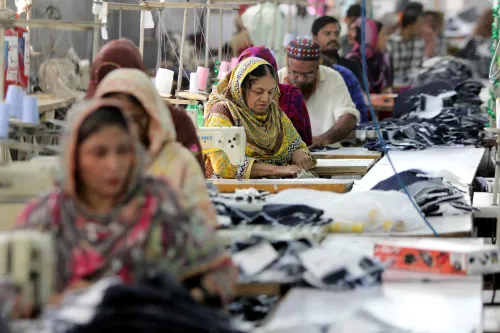
Pakistan's textile manufacturers, who historically relied on domestic cotton for the bulk of their raw material needs, have been forced to substitute imported lint. Industry producers have pressed the government for tax relief, lower energy tariffs, and reduced levies, arguing that the sector cannot simultaneously absorb the cost of import dependence and weak domestic output. The report warned that growing reliance on cotton imports risks widening Pakistan's current account deficit and eroding the competitiveness of its export-oriented textile industry.
A Cycle Difficult to Break
The report identified a self-reinforcing cycle at the heart of the crisis: as cotton cultivation area contracts, mills lose domestic supply, imports rise, and the foreign exchange burden grows. It attributed the collapse in domestic production to poor seed regulation, uneven institutional support, weak agricultural extension services, and inconsistent pricing signals for farmers. 'As the cotton area contracts, mills lose domestic supply, imports increase, and the foreign exchange burden rises — a cycle that now defines the sector,' the report noted.
What Comes Next
With the local harvest yet to arrive and large import commitments already in place, Pakistan's textile sector faces a critical juncture. Without structural reforms in seed policy, farmer support mechanisms, and energy costs for mills, analysts warn the country's position as a major cotton-textile exporter could erode further. The pressure on foreign exchange reserves adds a macroeconomic dimension to what began as an agrarian challenge.
Point of View
Inconsistent farmer pricing signals, and energy costs that make domestic processing uncompetitive have hollowed out what was once a cornerstone of Pakistan's export economy. The textile sector's lobbying for tax relief is understandable, but relief without structural reform simply subsidises dependence. The harder question — why Pakistan has not invested in seed technology and farmer extension services at scale — remains largely unasked in official discourse.
NationPress
23 Jul 2026
Frequently Asked Questions
Why is Pakistan importing cotton from the US and Brazil?
Pakistan is importing cotton from the US and Brazil because domestic production has fallen to an estimated 5 million bales, well below self-sufficiency levels. Shrinking cultivation area, poor seed quality, climate stress, and farmers switching to other crops have all contributed to the shortfall.
How much cotton has Pakistan ordered from the United States?
Pakistan has ordered around 2,06,000 bales of cotton from the United States, a volume that reportedly equals nearly the entire quantity sold in the US market within a single week. The purchase was made before Pakistan's own harvest season began.
What impact does cotton import dependence have on Pakistan's economy?
Growing reliance on cotton imports risks widening Pakistan's current account deficit and undermining the competitiveness of its export-oriented textile industry. As imports rise, so does the foreign exchange burden, creating a cycle that strains the broader economy.
What are Pakistan's textile manufacturers demanding from the government?
Textile manufacturers have pressed the government for tax relief, lower energy tariffs, and reduced levies, arguing that the sector cannot absorb both the cost of import dependence and weak domestic cotton output simultaneously.
What structural factors caused Pakistan's cotton production to decline?
The report points to poor seed regulation, uneven institutional support, weak agricultural extension services, inconsistent pricing signals, climate stress, pest pressure, and farmers prioritising crops such as sugarcane, maize, and rice over cotton as the primary causes of the decline.