Did Pakistan’s Defence Minister admit security forces were 'handicapped' against Baloch rebels?
Synopsis
In a recent address, Pakistan's Defence Minister Khawaja Asif revealed the challenges faced by security forces in Balochistan amid rising militant violence. He emphasized the need for substantial troop deployment to manage the geographical complexities and ruled out negotiations with the Baloch Liberation Army (BLA). This situation reflects ongoing tensions in a region seeking greater autonomy.
Key Takeaways
Recent violence in Balochistan has resulted in significant casualties.
The Defence Minister acknowledges operational challenges faced by security forces.
No negotiations are planned with Baloch separatist groups.
Balochistan's quest for autonomy continues amid rising human rights concerns.
Economic disparities persist, with most resources benefiting other provinces.
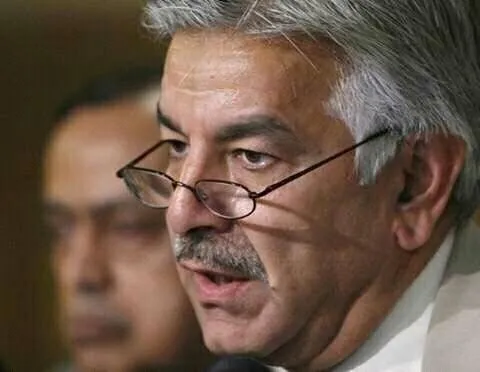
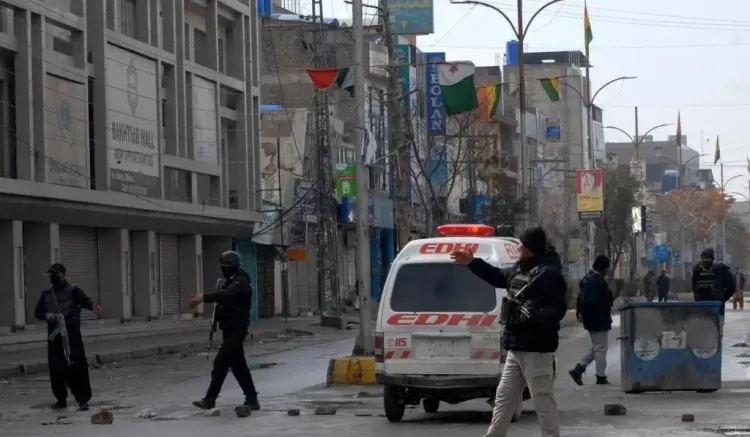
Quetta, Feb 4 (NationPress) Pakistan's Defence Minister Khawaja Asif has acknowledged that the nation's security forces are 'handicapped' in their efforts against Baloch rebels amid a recent spike in militant activity in Balochistan, a region that has long sought independence from Islamabad.
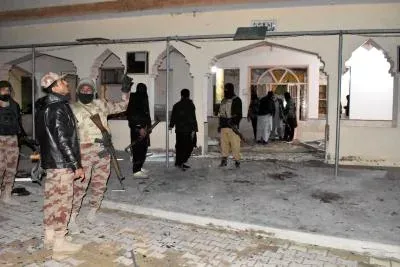
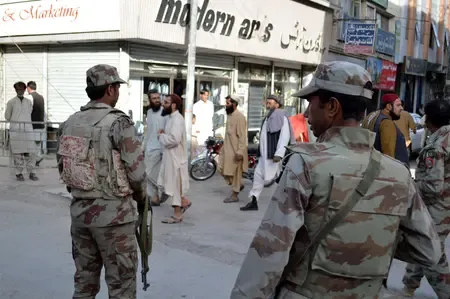
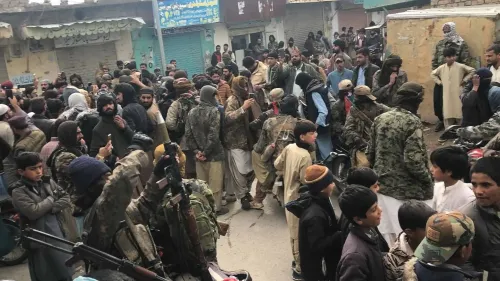
His statements arrive following reports that a total of 197 Baloch individuals, including combatants from 'Fitna al-Hindustan' and other militant factions, have been killed during ongoing counterterrorism actions in Balochistan over the last three days. Additionally, state media indicated that 22 security personnel have also lost their lives.
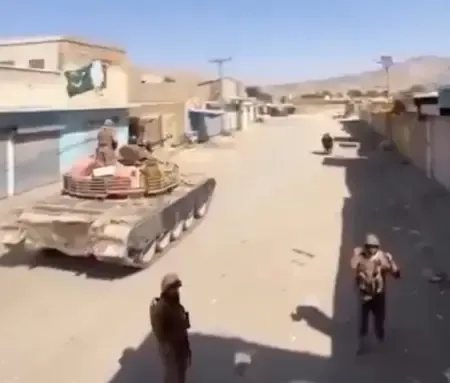
Addressing the National Assembly (NA), Asif stated: 'Balochistan makes up over 40 percent of Pakistan's geography ... managing it is considerably more challenging than controlling a densely populated city, necessitating a substantial military presence. Our forces are actively engaged against these terrorists, but they are physically constrained by the need to secure and patrol such a vast area.'
While discussing the situation in Pakistan's National Assembly, Asif shed light on the significant geographical obstacles that troops encounter in the country's largest yet sparsely populated province. The security landscape has deteriorated following coordinated attacks by separatist factions across at least 12 sites, leading to one of the most severe security crises in recent memory. As reported by the Pakistani daily The Express Tribune, at least 177 insurgents were neutralized in extensive counterterror operations throughout the province.
Khawaja Asif has dismissed the possibility of dialogue with the Baloch Liberation Army (BLA), the group that claimed responsibility for the assaults, asserting that no discussions would occur with 'terrorists' who have targeted civilians, including women and children.
He emphasized the existence of a connection between criminal enterprises and separatist factions, noting that criminal gangs operate under the guise of BLA – which he claims provides protection to smugglers.
'In Balochistan, there exists a coalition among tribal leaders, governmental officials, and those orchestrating separatist movements,' he stated, alleging that smugglers had previously profited up to 4 billion Pakistani rupees daily from oil smuggling.
This situation unfolds as Balochistan continues its struggle for autonomy from Pakistan amid rising reports of human rights abuses inflicted upon Baloch citizens by security forces.
Instances of enforced disappearances, extrajudicial killings, and fabricated charges have surged in this expansive province.
The Defence Minister mentioned that the government has intensified its efforts to combat smuggling, which has incited significant protests at the Chaman border. He further argued that some advocate for negotiations with nationalist groups, but he maintained that the protest movement is fueled by commercial interests rather than political or nationalist motivations.
Meanwhile, Balochistan's Chief Minister Sarfraz Bugti characterized the operation as one of the most extensive intelligence-driven campaigns executed in a short duration, following a series of coordinated assaults attributed to the BLA.
Balochistan, which shares borders with Iran and Afghanistan, has endured a protracted insurgency led by ethnic Baloch separatists advocating for increased autonomy and a more substantial share of the province's natural resources.
The Baloch resistance against the Pakistani state initiated shortly after the integration of the princely state of Kalat. Insurgencies have been recorded in 1948, 1958–59, 1962–63, 1973–77, and from the early 2000s to the present.
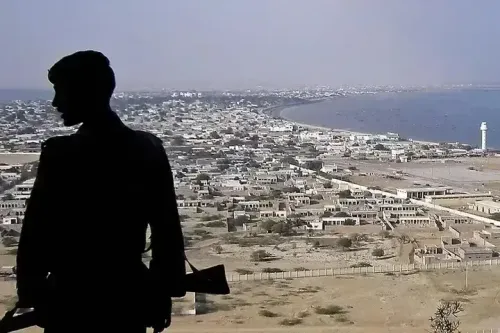
Despite its wealth in minerals, natural gas, coal, copper, gold, and strategic ports such as Gwadar, Balochistan remains the poorest province in Pakistan, suffering from inadequate infrastructure, healthcare, education, electricity, and job opportunities.
The majority of benefits derived from Balochistan's resources are funneled to Punjab and the federal government, leaving the province economically and politically marginalized.
Over the years, separatist organizations like the BLA have targeted security forces, infrastructure, and initiatives linked to the China-Pakistan Economic Corridor (CPEC). Their emphasis on Chinese development, particularly the Gwadar port under CPEC, illustrates the grievances of residents against projects perceived as exploitative and non-inclusive.
Point of View
It is vital to recognize the complexities surrounding Balochistan's security challenges. The government's admission of operational limitations reflects the ongoing struggle between national integrity and regional aspirations for autonomy. It is imperative to approach this issue with empathy for the Baloch populace while understanding the government's duty to maintain order.
NationPress
13 Oct 2026
Frequently Asked Questions
What is the current situation in Balochistan?
Balochistan is facing increased militant violence, with significant casualties reported among both Baloch insurgents and security forces. The province has been a focal point for separatist movements seeking independence from Pakistan.
Who is Khawaja Asif?
Khawaja Asif is Pakistan's Defence Minister, known for addressing national security issues and the ongoing conflict in Balochistan.
What stance has the government taken towards negotiations with Baloch rebels?
The Defence Minister has ruled out negotiations with the Baloch Liberation Army, labeling them as 'terrorists' responsible for civilian casualties.
What are the main challenges faced by security forces in Balochistan?
The vast geographical area, coupled with the lack of resources and the presence of insurgent activities, poses significant challenges for security operations in Balochistan.
What is the historical context of the Baloch separatist movement?
The Baloch resistance dates back to the integration of the princely state of Kalat, with multiple insurgencies occurring over the decades as Baloch nationalists seek greater autonomy and resource control.