Pakistan lawmakers revive new provinces debate amid governance crisis
Synopsis
Pakistan's lawmakers are debating new provinces as a fix for a governance crisis — but analysts note the country's citizens are asking for electricity, jobs, and affordable food, not new maps. With Interior Minister Mohsin Naqvi himself declaring the system 'collapsed,' the debate lays bare a political paradox: proposing constitutional restructuring while admitting existing local government bodies are weak, underfunded, or absent.
Key Takeaways
Pakistan's political class has revived debate over creating new provinces and administrative units amid rising inflation, unemployment, and failing public services.
Pakistan's population exceeds 250 million ; advocates argue smaller units would improve governance and service delivery.
Analyst Anas , writing in Maldives Insight , argues the debate distracts from citizens' actual demands: electricity, jobs, affordable food, schools, and hospitals.
In July , Interior Minister Mohsin Naqvi declared Pakistan's governance system had 'collapsed' and called for multi-party reforms and new provinces.
Critics note that local government bodies are already weak or absent — raising doubts about whether new boundaries would deliver accountability.
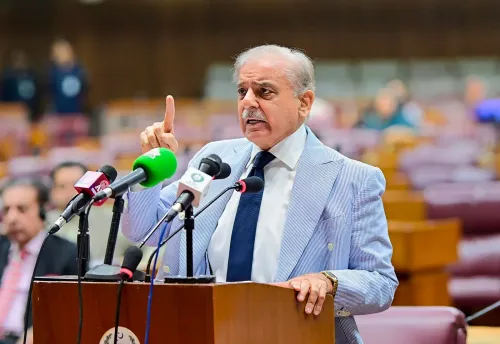
Amid mounting inflation, rising unemployment, deteriorating public services, and an uneven distribution of basic amenities, Pakistan's political class has once again revived a constitutional debate over the creation of new provinces and administrative units. While authorities have presented the restructuring as a remedy for the country's deepening governance crisis, analysts argue it also serves as a convenient deflection from failures that ordinary citizens confront every day, according to a report by Maldives Insight.
The Case for New Provinces
The argument for carving out new administrative units is not entirely without basis. Pakistan's population has surpassed 250 million, and several of its existing provinces are larger, more populous, and harder to govern than many independent nations, the report noted. Advocates contend that smaller administrative units would bring government closer to citizens, improve service delivery, and make state institutions more responsive to local needs.
Supporters across the political spectrum have pointed to entrenched bureaucratic inefficiencies, a weak local administration structure, and the evident inability of provincial governments to effectively manage vast territories. Proponents argue that meaningful decentralisation could serve as a genuine fix for Pakistan's governance deficit.
Contradictions at the Heart of the Debate
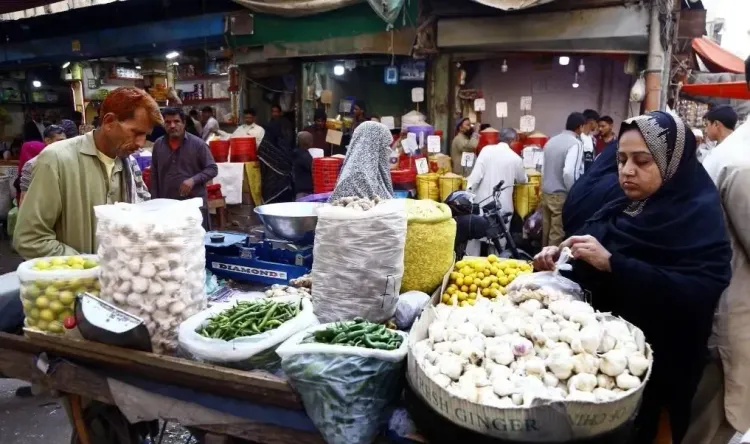
Critics, however, see a glaring contradiction. Writing in the Maldives Insight report, analyst Anas observed: 'What is striking about the current debate is that it is taking place in a political environment where even existing governance structures are failing to function effectively. Across Pakistan, millions of citizens are not demanding new maps or provincial boundaries. They are demanding electricity, jobs, affordable food, functioning schools, reliable hospitals, clean drinking water, paved roads, and responsive public institutions. These are not constitutional questions. They are governance questions.'
Anas further pointed to the irony embedded in lawmakers' own admissions — that local government systems across Pakistan are either weak, underfunded, or completely absent. 'If governments have been unable or unwilling to empower elected local bodies, what confidence can citizens have that merely creating new provinces will suddenly transform service delivery?' he wrote.
He cited viral instances of roads being built around utility poles, stalled infrastructure projects, incomplete urban development schemes, and years-long administrative paralysis as evidence. 'They are symptoms of institutional dysfunction. Dividing a province does not automatically create competent governance, just as drawing a new boundary does not generate accountability,' Anas said.
Interior Minister's Stark Warning
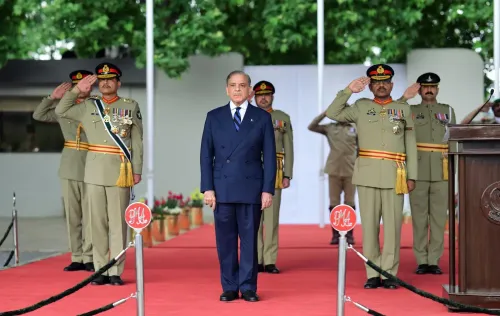
The debate has drawn some of its sharpest language from within the government itself. In July, Pakistan's Interior Minister Mohsin Naqvi declared at the Pakistan Economic Summit that the country's current governance system had effectively collapsed. 'The system we are living under has collapsed. Problems cannot be solved through it,' Naqvi was quoted as saying by Pakistani daily Dawn.
Naqvi called for multi-party talks to introduce sweeping governance reforms and proposed both the creation of new provinces and broader administrative restructuring. He warned that if the existing framework persisted, Pakistan would be 'discussing the same issues even after 10 years,' and stressed that a comprehensive reset was imperative. He described the current arrangement as a 'failed system' that had been in place for 70 years.
A Deeper Political Paradox
The renewed push for new provinces fits a recurring pattern in Pakistani politics — structural reorganisation proposed as a substitute for the harder work of institutional reform. This is not the first time provincial boundaries have been floated as a solution; similar debates have surfaced at multiple points in the country's post-independence history without resolution. The current iteration, critics argue, risks repeating the same cycle: generating political energy around a constitutional proposal while the more prosaic demands of citizens — reliable power, affordable food, functioning health infrastructure — go unaddressed.
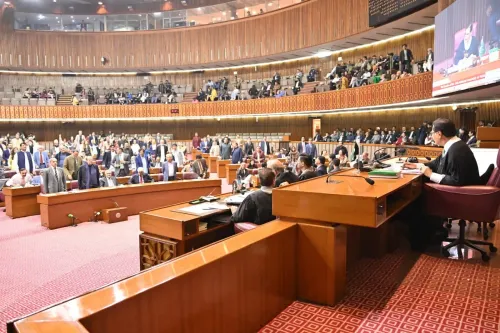
Whether Pakistan's legislature will move beyond debate to enact any structural changes remains to be seen, as the country navigates one of its most difficult economic periods in decades.
Point of View
Restructure the map rather than reform the institutions. The contradiction is sharp: lawmakers who cannot empower existing local bodies are proposing to multiply them. Interior Minister Naqvi's own admission that the system has 'collapsed' after 70 years undercuts the premise that redrawing boundaries will produce different outcomes. For India, which shares a contested border and a deep strategic interest in Pakistan's stability, a neighbour in prolonged institutional dysfunction is a geopolitical risk that no constitutional reshuffle is likely to resolve.
NationPress
15 Nov 2026
Frequently Asked Questions
Why are Pakistani lawmakers debating new provinces?
Pakistani lawmakers have revived the debate over creating new provinces amid rising inflation, unemployment, deteriorating public services, and uneven distribution of basic amenities. Advocates argue that smaller administrative units would improve governance and bring the state closer to citizens.
What did Interior Minister Mohsin Naqvi say about Pakistan's governance?
In July, Interior Minister Mohsin Naqvi declared at the Pakistan Economic Summit that the country's current governance system had 'collapsed' and was unable to resolve its problems. He called for multi-party talks to introduce reforms and proposed both new provinces and broader administrative restructuring.
What is the main criticism of the new provinces proposal?
Critics argue that creating new provinces does not address the root cause of governance failures — institutional dysfunction, underfunded local bodies, and lack of accountability. Analyst Anas noted that citizens are demanding electricity, jobs, food, and hospitals, not new constitutional maps.
How large is Pakistan's population and why does it matter to this debate?
Pakistan's population exceeds 250 million, and some of its provinces are larger and more populous than entire countries. Proponents of new provinces say this scale makes effective governance difficult, justifying the creation of smaller, more manageable administrative units.
Has Pakistan considered creating new provinces before?
Yes, the debate over new provincial boundaries has surfaced multiple times in Pakistan's post-independence history without resolution. Critics say the current iteration risks repeating the same cycle — generating political momentum around a constitutional proposal while fundamental citizen demands go unmet.