Pakistan's militant strategy cost 72,000 lives, created uncontrollable groups: Report
Synopsis
More than 72,000 people have died in Pakistan since 2000 — a direct consequence, researchers argue, of Islamabad's decades-old policy of distinguishing between 'useful' and 'threatening' militant groups. The Brookings Institution frames it as a cautionary global case study: states that weaponise non-state armed actors for short-term gain risk losing control of forces they can no longer contain.
Key Takeaways
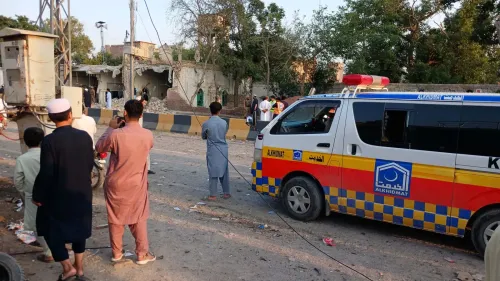
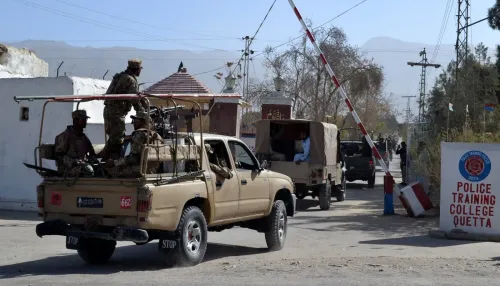
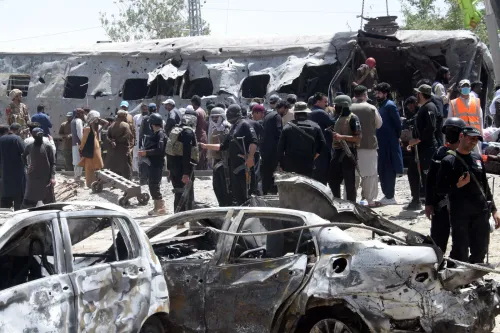
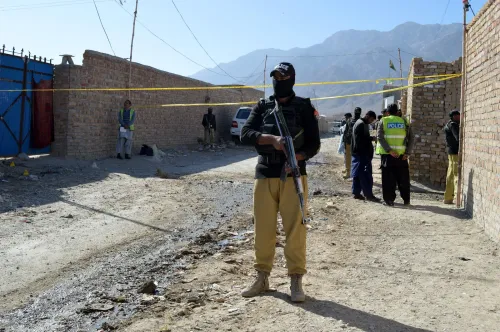
Over 72,000 people have been killed in terrorism-related violence in Pakistan since March 2000 , according to South Asia Terrorism Portal (SATP) data.
The toll includes more than 23,000 civilians , over 38,000 militants , and more than 11,000 security forces personnel .
Researchers, including analysts at the Brookings Institution , link the violence to Pakistan's policy of distinguishing between 'good militants' and 'bad militants' .
Pakistan's security establishment reportedly supported groups aligned with its strategic interests while treating state-targeting organisations as threats — a distinction that eroded over time.
The Cold War-era infrastructure built to support Afghan fighters reportedly remained in place after the conflict ended, enabling militant proliferation.
Brookings and other analysts cite Pakistan's experience as a global warning against using non-state armed groups for short-term strategic objectives.
Pakistan's long-standing approach to militant groups — a framework that researchers have described as distinguishing between 'good militants' and 'bad militants' — has generated severe long-term consequences, with several armed organisations evolving well beyond the state's ability to control them, according to a detailed report. The findings draw on data and analysis from multiple international policy institutes, including the Brookings Institution.
The Human Cost: 72,000 Dead Since 2000
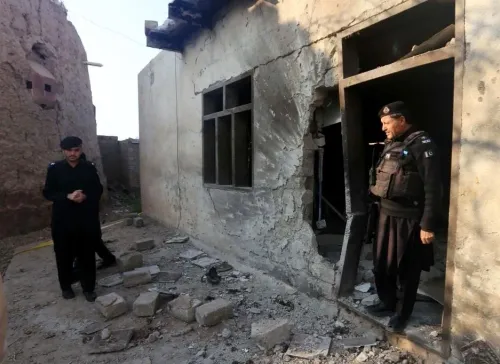
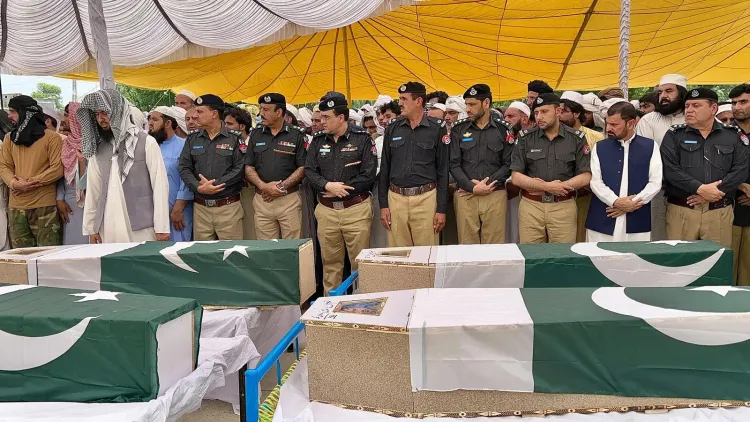
According to data compiled by the South Asia Terrorism Portal (SATP), more than 72,000 people have been killed in terrorism-related violence in Pakistan since March 2000. The breakdown is stark: over 23,000 civilians, more than 38,000 militants, and upwards of 11,000 security forces personnel have lost their lives in that period. The figures, cited in a report by Assahifa, place Pakistan among the countries most severely affected by sustained militant violence globally.
The 'Good Militants, Bad Militants' Framework
According to an analysis by the Brookings Institution, Pakistan's security establishment for years differentiated between militant organisations considered aligned with the country's strategic interests and those regarded as direct threats to the state itself. Researchers argue that this distinction was not arbitrary — it was shaped by regional security calculations dating back several decades, including Pakistan's role as a key base for supporting Afghan fighters during the Cold War.
Parts of the infrastructure created during that Cold War-era mobilisation reportedly remained in place long after the conflict ended, providing an organisational foundation that outlasted its original purpose. According to researchers, groups deemed strategically useful were tolerated or supported, while organisations that turned their violence inward toward the Pakistani state were treated as security threats.
Unintended Consequences and Proliferation of Extremism
Researchers argue that this selective approach contributed directly to the proliferation of militant organisations across Pakistan and the broader spread of extremist ideology. The policy, they contend, placed compounding security, social, and economic burdens on the country — burdens that have grown heavier as some groups evolved beyond state oversight.
Notably, the Brookings Institution and other analysts conclude that relying on non-state armed groups to pursue short-term strategic objectives creates long-term security risks, citing Pakistan's experience as a cautionary example. 'Relying on non-state armed groups to pursue short-term strategic objectives can create long-term security risks,' the Brookings analysis states, as cited in the report.
Geopolitical Leverage vs. Strategic Blowback
Reports acknowledge that the approach did provide Islamabad with measurable geopolitical leverage during certain periods and supported aspects of its regional strategy — particularly in Afghanistan. However, the same analyses argue that the trade-off has proven deeply unfavourable over the long run. The distinction between groups serving strategic objectives and those threatening internal stability proved difficult to maintain as militant networks grew more complex and interconnected.
What Analysts Say Going Forward
International policy institutes increasingly frame Pakistan's experience as a structural warning for states that use non-state armed actors as instruments of foreign policy. The core lesson drawn by researchers is that short-term tactical gains from such arrangements tend to be outweighed by the erosion of state control and the normalisation of armed extremism. Pakistan's path forward, analysts suggest, will require dismantling the institutional and ideological infrastructure built over decades — a task complicated by the very depth of those roots.
Point of View
000 figure is not just a body count — it is the measurable price of a doctrine. Pakistan's 'good militant, bad militant' framework was never a fringe policy; it was a deliberate strategic architecture, and the Brookings Institution's framing of it as a cautionary case study deserves more weight than it typically receives in mainstream coverage. What is often missed is the institutional depth of this infrastructure: Cold War-era networks were not simply tolerated post-1989, they were embedded. Dismantling them now requires confronting vested interests within the security establishment itself — something no Pakistani government has yet managed. The real question is not whether the policy failed, but whether Islamabad has the political capacity to reverse it.
NationPress
23 Oct 2026
Frequently Asked Questions
How many people have been killed in terrorism-related violence in Pakistan since 2000?
According to data compiled by the South Asia Terrorism Portal (SATP), more than 72,000 people have been killed in terrorism-related violence in Pakistan since March 2000. This includes over 23,000 civilians, more than 38,000 militants, and upwards of 11,000 security forces personnel.
What is Pakistan's 'good militants, bad militants' strategy?
It refers to a framework, described by researchers including analysts at the Brookings Institution, in which Pakistan's security establishment differentiated between militant groups considered aligned with the country's strategic interests and those seen as direct threats to the state. Groups in the first category were reportedly tolerated or supported, while those targeting Pakistan internally were treated as enemies.
What role did the Cold War play in Pakistan's militant infrastructure?
Pakistan emerged as a key base for supporting Afghan fighters during the Cold War, and researchers say the organisational infrastructure created during that period remained in place after the conflict ended. This infrastructure is cited as a foundational factor in the subsequent proliferation of militant groups on Pakistani soil.
What does the Brookings Institution conclude about Pakistan's militant policy?
The Brookings Institution concludes that relying on non-state armed groups to pursue short-term strategic objectives creates long-term security risks, and cites Pakistan's experience as a primary example. Analysts argue that the policy produced unintended consequences, with several groups eventually evolving beyond state control.
What are the broader consequences of Pakistan's approach to militant groups?
Researchers argue the policy contributed to the proliferation of militant organisations, the spread of extremism, and compounding security, social, and economic burdens on Pakistan. The country's experience is increasingly cited by international policy institutes as a structural warning for any state that uses non-state armed actors as instruments of foreign or security policy.