Pakistan pharma output falls 21.5% as drug shortages deepen
Synopsis
Pakistan's drug makers are caught between a forex crunch and price caps. Output is down 21.5%, only about half of import LC requests are cleared, and firms want up to 38.5% price hikes. Islamabad has approved increases for just 19 medicines, leaving patients exposed as a $1.1 billion IMF bailout stays stalled.
Key Takeaways
Pakistan's pharmaceutical output has fallen by 21.5 per cent in recent months, according to industry estimates.
Only around half of Letters of Credit applications for imports are being approved, said Syed Farooq Bukhari , chairman of the Pakistan Pharmaceutical Manufacturers Association.
A pending $1.1 billion IMF bailout is seen by businesses as critical to easing financial pressure.
Drug makers have sought price increases of up to 38.5 per cent , but the Shehbaz Sharif government has resisted large hikes.
DRAP approved limited price increases for 19 medicines , including painkillers and fever treatments, which the industry calls insufficient.
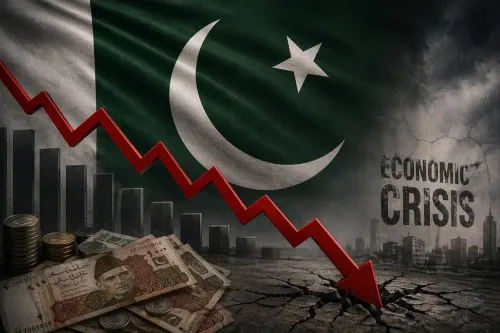
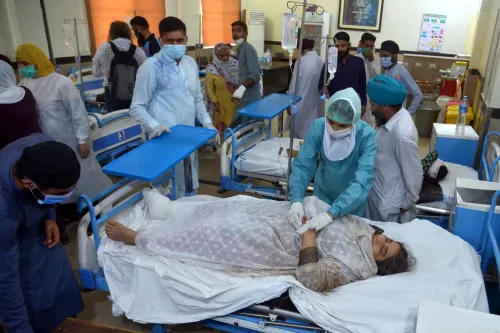
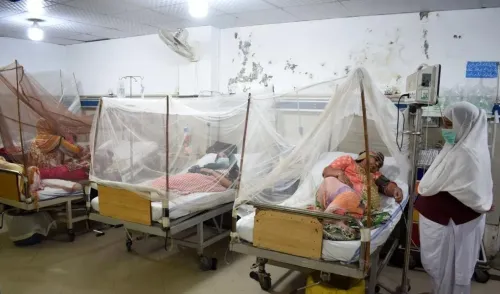
Pakistan's pharmaceutical industry is under severe strain as the country's prolonged economic crisis drives down medicine production, pushes up manufacturing costs and causes shortages of essential drugs, a new report has said. Pharmaceutical output has dropped by 21.5 per cent in recent months, according to industry estimates cited in a Page3News report. Healthcare access for millions of patients is now at risk.
Manufacturers are struggling with a shortage of foreign exchange and with difficulties importing the raw materials needed to make medicines. According to the report, these two problems are at the centre of the sector's decline.
Forex Crunch Chokes Raw Material Imports
Pakistan's drug makers depend heavily on imported ingredients and active pharmaceutical components. As foreign currency reserves have fallen, companies are finding it harder to pay overseas suppliers. As a result, a structural dependence has become an immediate production bottleneck.
Syed Farooq Bukhari, chairman of the Pakistan Pharmaceutical Manufacturers Association, said banks resumed issuing Letters of Credit (LCs) for imports earlier this year. However, he said only around half of the applications have been approved because foreign exchange is limited.
These restrictions have disrupted supply chains and added to medicine shortages across the country. Industry officials said wholesalers and retailers have also started stockpiling available inventory because they fear future supplies will run short, the report noted. Such hoarding typically makes shortages worse on pharmacy shelves.
IMF Bailout Delay Adds to Pressure
Delays in securing a pending $1.1 billion bailout package from the International Monetary Fund (IMF) have made the situation worse. Many businesses see the package as critical to easing pressure on Pakistan's finances. Until the funds arrive, industry representatives expect the foreign exchange squeeze on importers to continue.
The weakening Pakistani rupee has also sharply raised the cost of imported raw materials. Manufacturers are now paying more for the same inputs while getting fewer approvals to import them.
Price Controls and the Government's Stand
Medicine prices in Pakistan are regulated by the government based on recommendations from the Drug Regulatory Authority of Pakistan (DRAP). This limits how far manufacturers can pass rising costs on to consumers. Pharmaceutical companies have sought price increases of up to 38.5 per cent to cover mounting expenses.
Prime Minister Shehbaz Sharif's government has resisted large hikes, reportedly because it fears public backlash during a period of high inflation. DRAP recently approved limited price increases for 19 medicines, including several painkillers and fever treatments. Industry representatives say these adjustments are insufficient, according to the report.
Impact on Patients
Manufacturers are caught between higher costs and capped prices, while patients face growing uncertainty about whether essential medicines will be available. Lower production, restricted imports and stockpiling together point to continued supply stress unless foreign exchange conditions improve.
The next phase of the crisis is likely to depend on whether the IMF funds are released and whether DRAP and the government agree to wider price revisions.
Point of View
But with input costs rising and LCs rationed, price caps do not protect patients if the medicines are not on the shelves. For India, a major global API and generics supplier, the episode is a reminder that pharmaceutical self-reliance is a matter of economic security, not just industrial policy.
NationPress
29 Nov 2026
Frequently Asked Questions
Why is Pakistan facing a shortage of medicines?
Pakistan's drug makers cannot import enough raw materials because of a severe foreign exchange shortage. Only around half of import Letters of Credit applications are being approved, and wholesalers and retailers have begun stockpiling stock, which worsens the shortages.
How much has Pakistan's pharmaceutical production fallen?
Pakistan's pharmaceutical output has fallen by 21.5 per cent in recent months, according to industry estimates. The decline is linked to forex shortages, import difficulties and rising costs from a weaker rupee.
What role does the IMF bailout play in Pakistan's pharma crisis?
Businesses see a pending $1.1 billion IMF bailout as critical to easing pressure on Pakistan's finances. Delays in securing it have made the foreign exchange squeeze on importers, including drug makers, worse.
Has Pakistan approved medicine price increases?
Yes, but only on a limited scale. DRAP recently approved price increases for 19 medicines, including painkillers and fever treatments, while companies had sought hikes of up to 38.5 per cent.
Who regulates medicine prices in Pakistan?
The government sets medicine prices in Pakistan based on recommendations from the Drug Regulatory Authority of Pakistan (DRAP). This limits manufacturers' ability to pass rising costs on to consumers.