Pakistan provinces referendum: Wheat scandal, Karachi woes cited
Synopsis
Pakistan wants citizens to vote on redrawing its provinces — but a sharp Friday Times analysis says rulers must first explain a wheat import that cost over a billion dollars despite a record harvest, Karachi's uncollected garbage, and why Punjab hasn't elected a mayor since 2015.
Key Takeaways
Pakistan's Interior Minister has spent weeks pitching a referendum on new provinces to the President, Chaudhry Shujaat Hussain and the PM House.
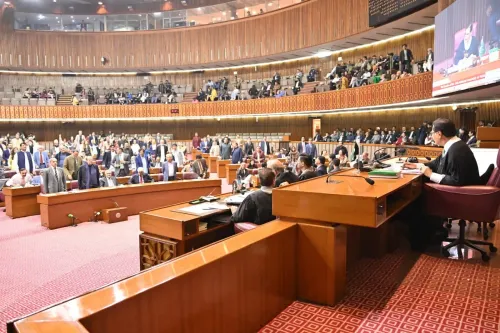
PPP's Nadeem Afzal Chan said consensus on provinces can only be built in the National Assembly and Senate .
Pakistan reportedly imported about 3.5 million tonnes of wheat in the caretaker year, spending over a billion dollars despite a record harvest.
An inquiry blamed some officers but cleared senior officials; nobody has been charged so far.
The analysis notes Punjab has not elected a mayor since 2015 , despite Article 140A mandating local governments.
Pakistan's ruling establishment, which is pushing for a referendum on new provinces, must first account for the billions lost to questionable wheat imports, Karachi's chronic misgovernance and the continued denial of elected local governments, according to an analysis published in the leading Pakistani daily The Friday Times. The critique, reported on 27 November 2026, argues that the drive to redraw provincial boundaries sidesteps the deeper failures of governance that citizens face every day.
The Referendum Push and Political Resistance
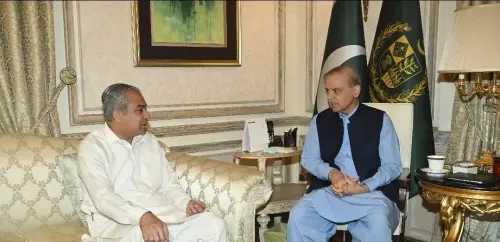
According to the report, Pakistan's Interior Minister has spent weeks taking his proposal for a referendum on new provinces to the President, to Chaudhry Shujaat Hussain and to the Prime Minister's House. The idea has not found universal support within the ruling setup.
Notably, Nadeem Afzal Chan of the Pakistan Peoples Party (PPP) has said that consensus on provinces can only be built in the National Assembly and the Senate, not through a direct public vote. That position signals friction over whether a referendum is the right instrument for such a constitutional change.
Devolution Stalled at the Provincial Level
The analysis contends that the number of provinces was never the real problem. “Our problem was never the number of provinces; it is that we stopped devolution one storey too high and watched four provincial capitals hoard power exactly as the centre once hoarded it from them,” it stated.
It pointed to Article 140A of Pakistan's Constitution, which requires every province to establish local governments with real financial and administrative authority. “Article 140A commands every province to build local government with real money and real authority, and sets no penalty for ignoring the command, so it is ignored. Punjab has not elected a mayor since 2015,” the analysis noted.
The Wheat Import Scandal
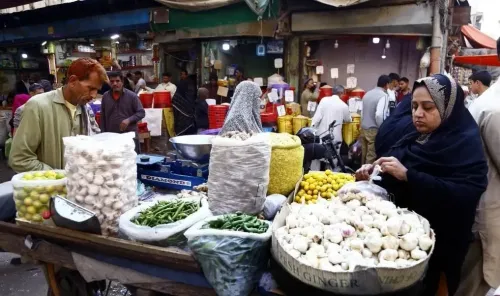
The report highlighted the wheat import affair during the caretaker government's tenure. Pakistan reportedly imported some three-and-a-half million tonnes of wheat, well beyond the approved quota, spending over a billion dollars of foreign exchange at a time when it was seeking deposits from friendly capitals — and despite one of the largest harvests in the country's history.
“When the state's own auditors examined the affair, they found the case for importing unreliable and the demand inflated; releases from official stocks had been choked to manufacture the look of a shortage, while the state's approved import was held back and private cargoes landed first and took the margin,” the report said.
According to the analysis, the imports crashed the market just as farmers' crops arrived. An inquiry found some officers responsible but cleared everyone above them, and nobody has been charged so far.
Karachi's Neglect Under Uninterrupted PPP Rule
The analysis reserved pointed criticism for the governance of Karachi, Pakistan's economic engine. “The city earns this country more than any other, and one look at its streets tells you how much of that ever comes back,” it said, referring to the party that has governed Sindh without interruption since 2008.
“Where did two decades of the richest city's wealth go?” the report asked, noting that the same party that now speaks of the sanctity of assemblies presides over a provincial capital where garbage goes uncollected.
A Question of Accountability
Terming the enthusiasm for a referendum hollow, The Friday Times argued that a question put to the people by rulers who will not answer the auditors is not genuine consultation. “In a functioning country the traffic runs upward. The citizen asks, the official answers, and the ballot is the citizen's final question,” the report stated.
Whether the referendum proposal gains traction in Parliament — or stalls amid mounting questions over accountability — is likely to shape Pakistan's political debate in the weeks ahead.
Point of View
Where auditors flagged a manufactured shortage yet accountability stopped at mid-level officers — a pattern that repeatedly shields the powerful. The PPP's insistence on parliamentary consensus is constitutionally sound but rings hollow given its own record in Karachi. For India, the takeaway is that Islamabad's institutional decay, not its boundaries, remains the core source of its instability.
NationPress
27 Nov 2026
Frequently Asked Questions
What is Pakistan's proposed referendum on new provinces?
It is a proposal by Pakistan's Interior Minister to ask citizens directly about redrawing provincial boundaries. The minister has taken the idea to the President, Chaudhry Shujaat Hussain and the Prime Minister's House.
Why is the referendum being criticised?
An analysis in The Friday Times argues rulers must first answer for the wheat import scandal, Karachi's misgovernance and the absence of elected local governments. It called a referendum by rulers who will not answer auditors hollow.
What was Pakistan's wheat import scandal?
During the caretaker year, Pakistan reportedly imported about 3.5 million tonnes of wheat beyond the approved quota, spending over a billion dollars despite a record harvest. Auditors found the demand inflated, and nobody has been charged so far.
What does the PPP say about creating new provinces?
PPP leader Nadeem Afzal Chan has said consensus on new provinces can only be built in the National Assembly and the Senate, rather than through a referendum.
What is Article 140A of Pakistan's Constitution?
Article 140A requires every province to establish local governments with real financial and administrative authority. The analysis notes it carries no penalty for non-compliance, which is why Punjab has not elected a mayor since 2015.