Pakistan's water crisis rooted in domestic failures, not India: Report
Synopsis
A Canada-based think-tank report has turned Pakistan's own water narrative against it: former minister Khawaja Asif admitted in 2015 that the crisis was self-inflicted, the military's dam-building has starved Sindh of water, and now leaked ISPR documents suggest a coordinated media campaign to blame India — even as Bilawal Bhutto raises nuclear threats over the suspended Indus Waters Treaty.
Key Takeaways
A Geopolitical Monitor report attributes Pakistan's water crisis to poor planning, domestic mismanagement, and corrupt practices — not India.
Pakistan's former Minister for Water and Power, Khawaja Asif , said in 2015 that the country had developed 'a national habit of extravagance' driving resource shortages.
Rapid dam-building by Pakistan has primarily served Punjab province , leaving downstream Sindh Province to bear the consequences.
PPP chairman Bilawal Bhutto alluded to nuclear weapons use if India maintains the IWT suspension, at a conference in Islamabad in late June .
Leaked documents allegedly show the ISPR ran a coordinated media campaign to stoke anti-India rhetoric over the water dispute.
India's MEA has maintained the IWT will stay in abeyance until Pakistan ends support for cross-border terrorism.
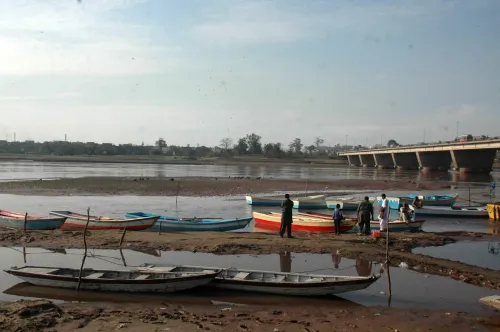
A Canada-based Geopolitical Monitor report has found that Pakistan's deepening water crisis stems primarily from poor planning, domestic mismanagement, and corrupt practices — not from India's suspension of the Indus Waters Treaty (IWT). The findings, supported by statements from Pakistan's own former officials, directly contradict Islamabad's official narrative that frames India as the principal cause of its water insecurity.
Pakistan's Own Officials Contradict Official Narrative
As far back as 2015, Pakistan's then Minister for Water and Power, Khawaja Asif, acknowledged that the country had developed 'a national habit of extravagance,' leading to resource shortages across water, gas, oil, and electricity. Asif explicitly stated that water challenges were 'largely internal to Pakistan' — a stark admission that undermines the current government's India-blaming posture.
According to the report, Pakistani officials were openly attributing water woes to domestic failures even before India placed the IWT in abeyance following the Pahalgam terror attack of 2025, in which 26 civilians were killed by Pakistan-backed terrorists.
Punjab's Dam Obsession and Its Downstream Cost
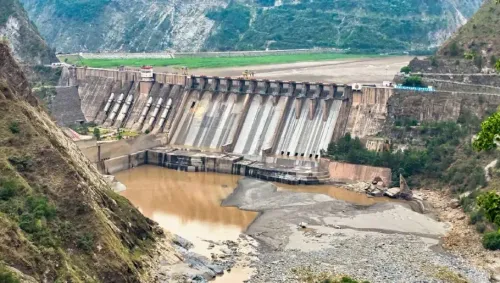
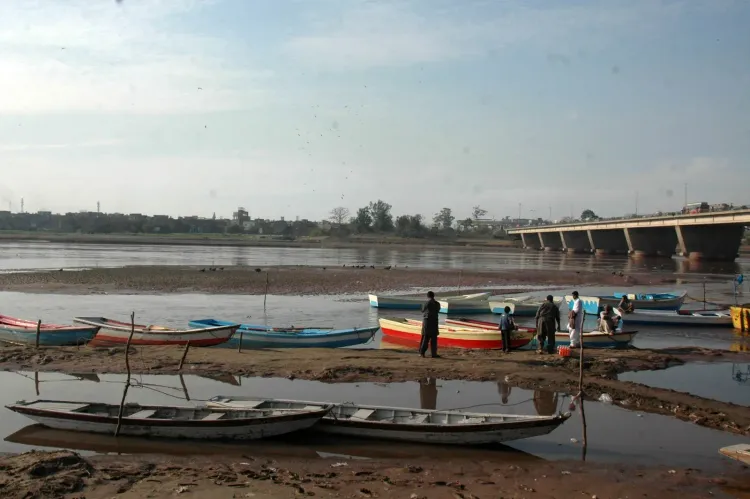
The report notes that soon after the IWT was signed, Pakistan developed what it describes as an 'obsession' with dam construction. This rapid upstream dam-building has primarily served the energy needs of Punjab province — long considered the power base of Pakistan's military — while severely reducing freshwater flow to downstream regions.
'Provinces downstream of Punjab, such as Sindh Province, must grapple with adverse side effects due to rapid upstream dam building, yet the dams continue to be built,' the report stated. This internal upstream-downstream exploitation mirrors the very dynamic Pakistan publicly accuses India of perpetuating.
Nuclear Rhetoric and the ISPR Media Campaign
The report details an alarming escalation in Pakistan's posture following India's IWT suspension. At a conference in Islamabad in late June, Pakistan People's Party (PPP) chairman Bilawal Bhutto alluded to Pakistan's willingness to use nuclear weapons if India maintains the treaty suspension — a statement the report characterises as 'an alarming escalation and lack of interest in bilateral dialogue.'
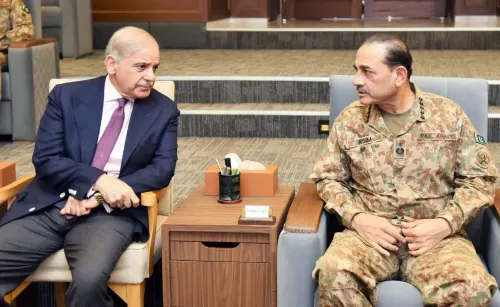
In the days that followed, leaked documents reportedly indicate that Pakistan's military initiated a coordinated media campaign to challenge India's interpretation of the Indus water dispute and to stoke anti-India rhetoric. The strategy was allegedly produced by the Directorate General of Inter-Services Public Relations (ISPR), a wing of the Pakistani Armed Forces. The report notes that 'the military has long been criticised for overstepping its role and trying to control civilian affairs, and these leaked documents further substantiate this theory.'
India's Position on the IWT
India's Ministry of External Affairs (MEA) has consistently maintained that the Indus Waters Treaty will remain in abeyance until Pakistan ceases its support for cross-border terrorism. The MEA has reiterated this position on multiple occasions since the Pahalgam attack. According to the report, by threatening to 'go to war' with India over the IWT, Pakistan risks further defunding its own energy sector, damaging existing water infrastructure, and edging closer to absolute water scarcity.
What This Means Going Forward
The Geopolitical Monitor report presents a picture of a country whose water governance has been distorted by military priorities and political convenience, with downstream provinces bearing the cost. As tensions over the IWT remain unresolved, independent analysts argue that any credible solution must first address Pakistan's internal water mismanagement — a conversation Islamabad has so far shown little appetite for.
Point of View
But because it marshals Pakistan's own officials against Pakistan's official narrative. Khawaja Asif's 2015 admission was never retracted — it was simply buried under a more convenient storyline once India suspended the IWT after Pahalgam. The military's dam-building record in Punjab, at Sindh's expense, is the most damning element: Pakistan is doing to its own downstream provinces precisely what it accuses India of doing to it. The ISPR media campaign, if the leaked documents are authentic, suggests Rawalpindi understands it is losing the information war and is doubling down rather than engaging diplomatically. Bilawal Bhutto's nuclear rhetoric, in that context, looks less like a strategic signal and more like a pressure release valve for a domestic audience — which makes it no less dangerous.
NationPress
22 Sept 2026
Frequently Asked Questions
What does the Geopolitical Monitor report say about Pakistan's water crisis?
The report concludes that Pakistan's water crisis is primarily the result of poor planning, domestic mismanagement, and corrupt practices — not India's suspension of the Indus Waters Treaty. It cites statements by Pakistan's own former officials and the military's dam-building priorities as key evidence.
What did former Pakistani minister Khawaja Asif say about the water crisis?
In 2015, Khawaja Asif, then Pakistan's Minister for Water and Power, stated that the country had developed 'a national habit of extravagance,' causing resource shortages across water, gas, oil, and electricity. He acknowledged that water challenges were largely internal to Pakistan.
Why has India suspended the Indus Waters Treaty?
India placed the IWT in abeyance following the Pahalgam terror attack in 2025, in which 26 civilians were killed by Pakistan-backed terrorists. India's Ministry of External Affairs has stated the treaty will remain suspended until Pakistan stops supporting cross-border terrorism.
What is the ISPR's alleged role in the India-Pakistan water dispute?
According to leaked documents cited in the report, Pakistan's Directorate General of Inter-Services Public Relations (ISPR) allegedly orchestrated a coordinated media campaign to challenge India's interpretation of the water dispute and amplify anti-India sentiment following the IWT suspension.
How has dam-building in Pakistan worsened its water crisis?
Pakistan's rapid dam construction since the IWT was signed has primarily benefited Punjab province, the military's traditional power base, while significantly reducing freshwater flow to downstream Sindh Province. The report says this internal misallocation has heightened Pakistan's overall vulnerability to water scarcity and climate change.